
There’s a particular kind of week where turning on the oven feels like a negotiation you don’t want to have. This is where the rotisserie chicken earns its place.
It’s already cooked, already seasoned, and already flexible enough to be the base of several lunches and dinners. The mistake most people make is treating it as a single meal. Don't make this mistake!
Break it down immediately and treat it like meal prep components
The first move happens as soon as you get home. Instead of refrigerating the chicken whole, take it apart while it is still slightly warm. Separate the breast meat, the leg and thigh meat, and any smaller shreds from around the joints.

This step changes how you see the chicken entirely. Once it is broken down into components, it ceases to be a single object and becomes a set of usable parts. You can portion it into containers and immediately assign roles for the week, such as sandwich filling, salad protein, quick-pasta addition, or soup base. It also prevents the common problem of drying out leftovers by repeatedly reheating large pieces.
Turn it into a fast creamy pan mix instead of reheating it dry
Reheating rotisserie chicken on its own is where it usually loses appeal. The texture tightens, and the seasoning does not evolve. A better approach is to reintroduce moisture and fat in a controlled way, so it becomes a new preparation rather than a reheat.
Warm a small amount of butter or olive oil in a pan, then add shredded chicken. Stir in something creamy, such as crème fraîche, sour cream, or softened cream cheese, loosened with a little water. Season simply with salt and black pepper, then add a small amount of acid, such as lemon juice, to lift the richness.
What you get is a loose, creamy chicken mixture that can be used across multiple formats. It works on toast, inside wraps, or stirred into cooked rice or pasta. The key is that it behaves like a flexible filling rather than a standalone dish, which is what keeps it useful over several meals.
Build cold chicken salads with a warm dressing contrast
Cold chicken often feels incomplete unless it is paired correctly. The trick here is not to warm the chicken but to contrast it with a dressing that carries heat in flavor rather than temperature.
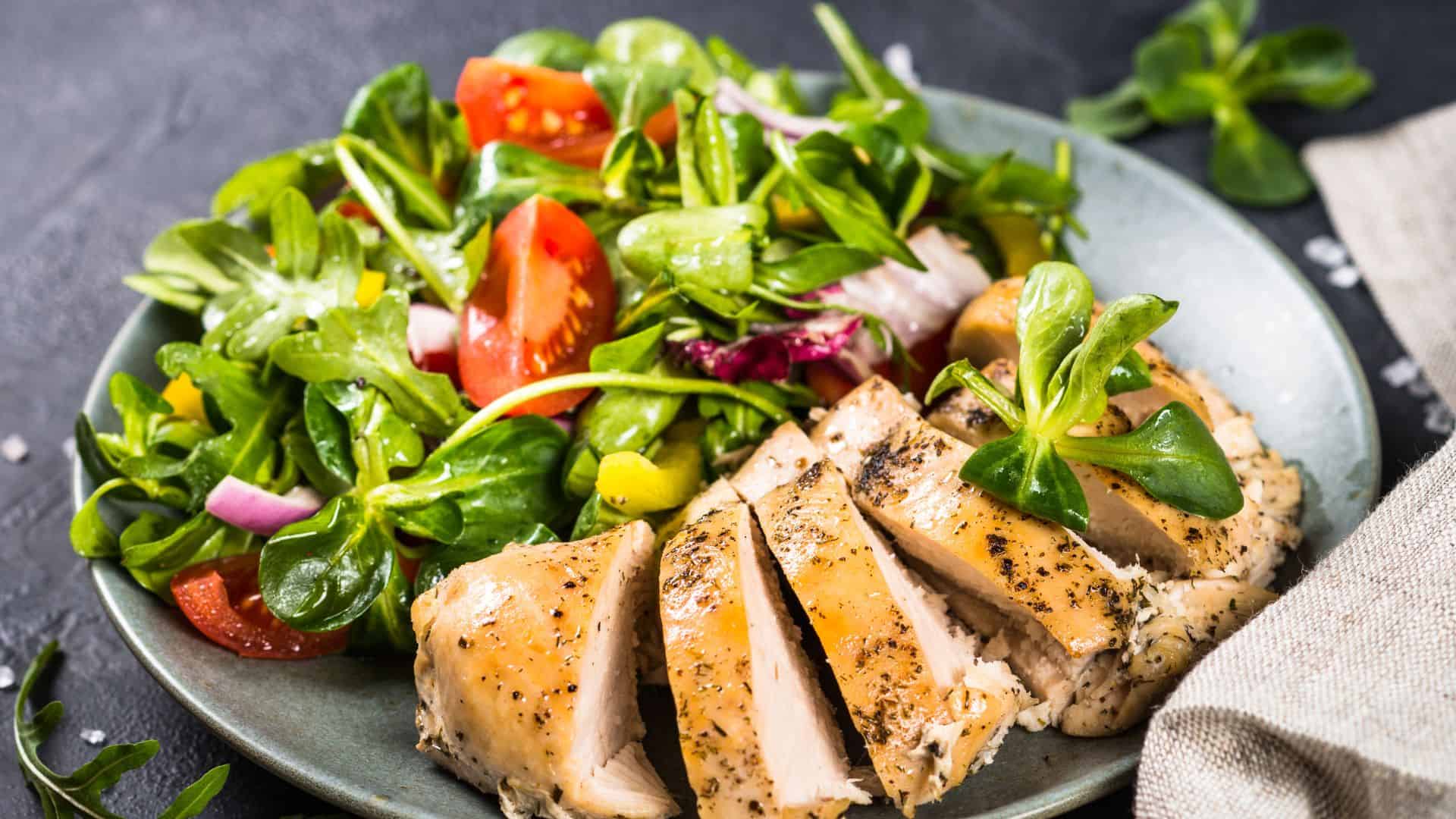
Use shredded chicken straight from the fridge and pair it with a mustard-based vinaigrette, a honey-and-lemon dressing, or a lightly warmed sesame oil dressing with soy and garlic. The dressing should be assertive enough to wake up the cold protein.
Add texture intentionally. Crisp cucumber, sliced radish, or toasted seeds are enough to create structure without turning it into a generic salad bowl. The result is a meal that feels composed rather than assembled, even though it takes minutes to put together.
Assemble no-cook tacos using high-impact layering
Tacos work well with rotisserie chicken because they rely more on assembly than cooking.
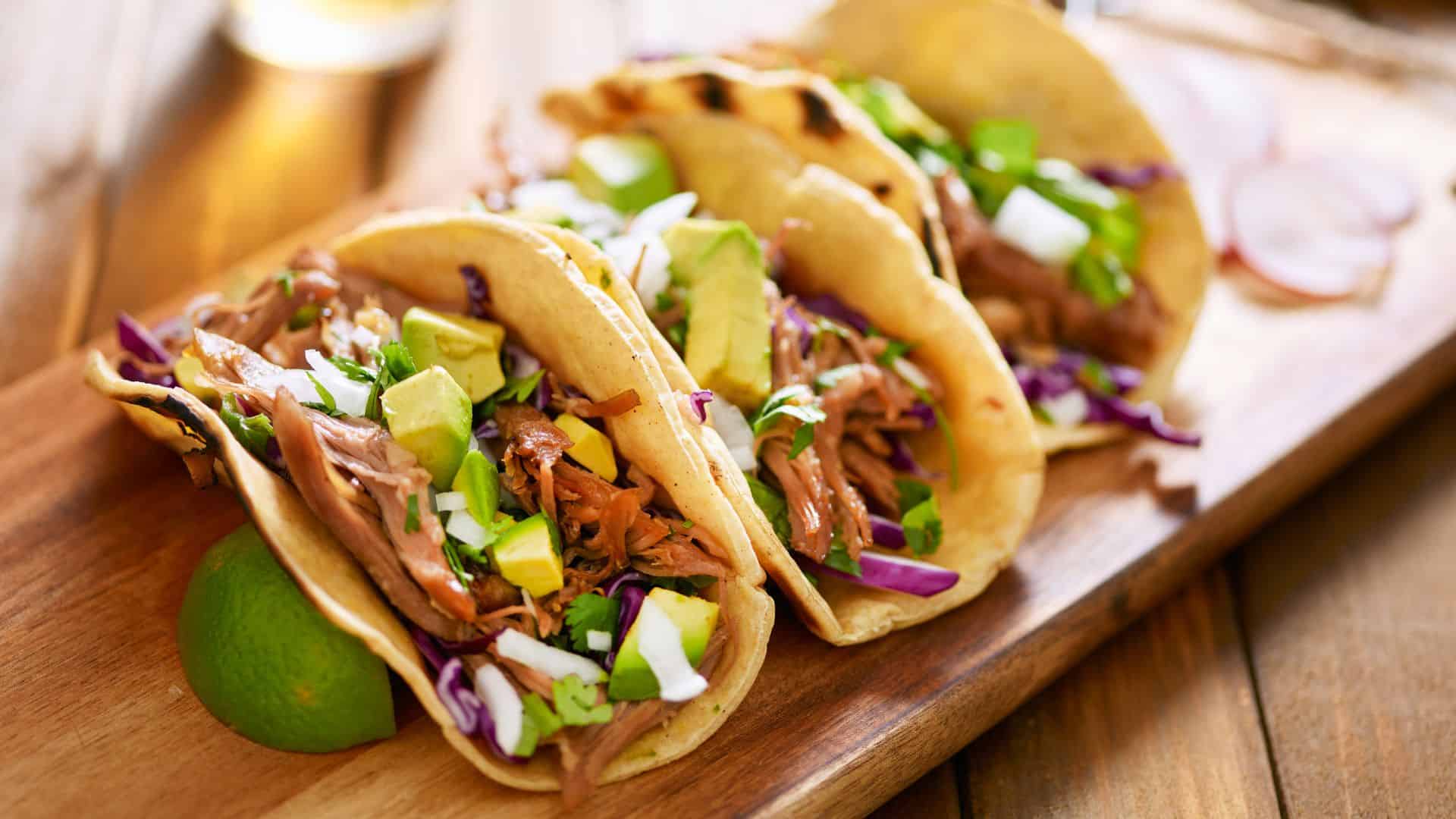
Lay out tortillas and shredded chicken, then focus on three types of additions. Include something creamy, such as avocado or yogurt, something sharp, like pickled onions or jalapeños, and something fresh, such as coriander, cabbage, or a squeeze of lime. If you want the chicken warm, heat only that portion briefly, but it is not required.
This method works because each bite is constructed at the moment. It also scales easily for multiple meals since the same components can be rearranged without repetition.
Use it as a shortcut base for a quick soup
The most efficient transformation is also the least visible: turning rotisserie chicken into soup without treating it as a planned dish.
Start with a simple broth base using water or stock, then add aromatics like garlic, onion, or ginger depending on what you have. Add shredded chicken, followed by whatever needs using up, such as rice, noodles, or frozen vegetables.
The chicken does not need a long cooking time because it is already cooked. Instead, it contributes depth to the broth while the other ingredients define the structure of the meal.
Leave a Reply