
Every restaurant relies on a few key items that keep the business profitable. While some foods bring in steady sales, the biggest profits often come from what’s in the glass, not on the plate.
If you’ve ever wondered what really pays the bills in a restaurant, the answer might surprise you: beverages.
The story
Someone asked on Quora, “What single item do restaurants make the most profit from?” The thread drew plenty of responses from people who’ve worked in the industry for years. Most agree on one thing: it is the beverages.
The reactions
One restaurant worker explained, among beverages, soft drinks tend to bring the highest margins: “Soft drinks by far! The paper cup it comes in is more expensive than the soda itself. They sell you about 5 cents of soda for $3.00. Amusement parks and concert venues are even worse. Disney is like $4.50 for a Coke, and movie theaters are around the same.”
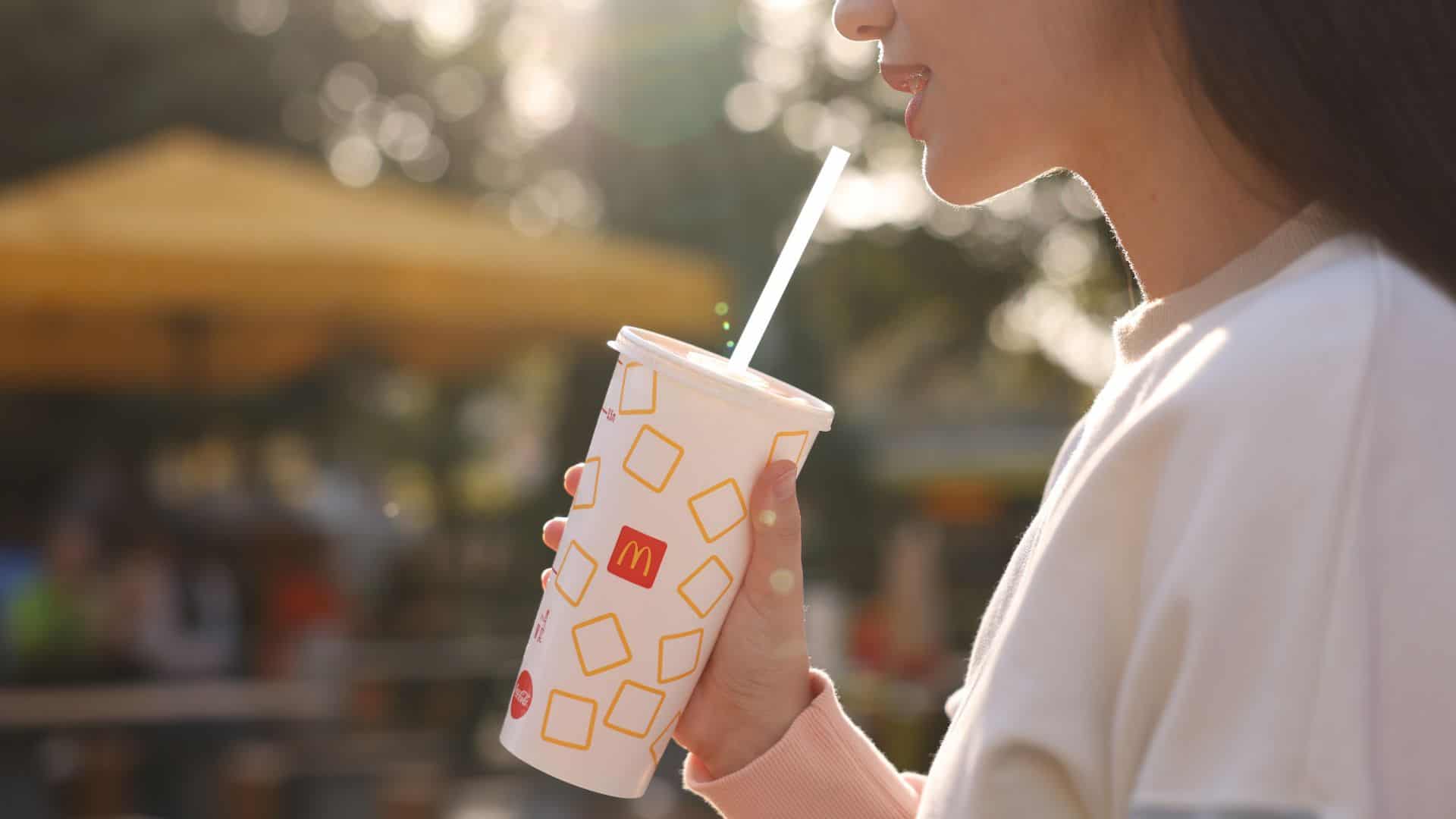
Soft drinks, especially fountain drinks, are among the easiest ways for restaurants to make money. The ingredients cost very little, and there’s almost no preparation needed to make them.
A fountain drink uses only syrup, water, and ice, yet sells for several dollars. Even when you factor in the cup and straw, the profit margin stays high. Because every table orders at least one, and refills are often inexpensive to provide, soda sales generate a steady income that helps cover other rising operating costs.
A person shared another profitable beverage, “The most profitable is your speed rail alcohol, which is the cheapest quality. Second will be your premium alcohol.”
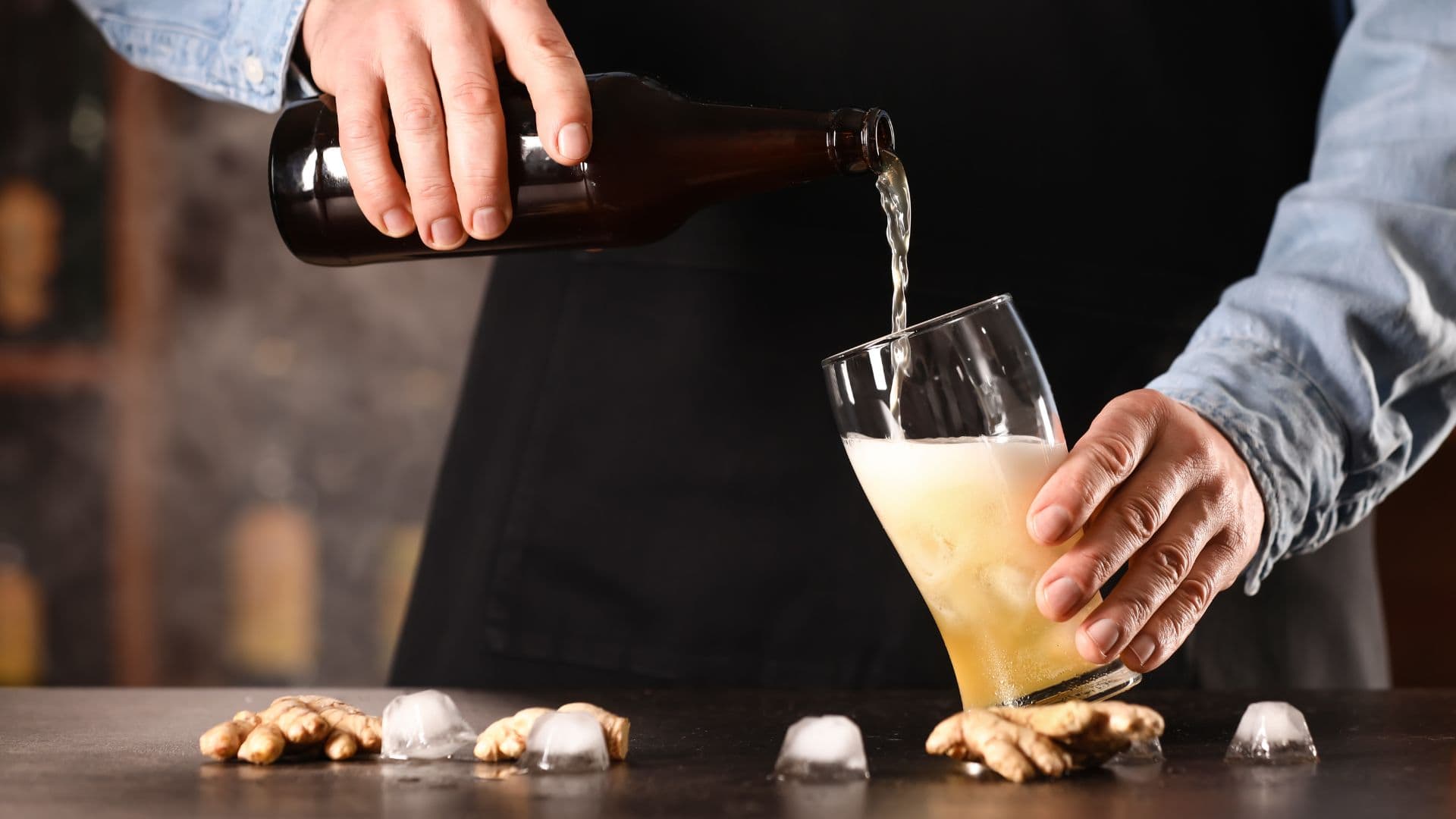
Speed rail alcohol refers to the standard brands used for mixed drinks. They tend to bring in some of the highest profits for restaurants. These drinks use lower-cost liquor, such as rum and gin, and are quick to make, which means margins are much higher than for most food items. Due to their affordability, they bring higher sales, leading to increased profits for bars and restaurants.
Beverages bring in the most profit, but wine pricing often depends on customers’ psychology. One person explained, “Reportedly, the second-cheapest bottle of wine. People don’t want to be seen as cheap — restaurants know that, so the biggest markup is on the second cheapest bottle. If you don’t see something specific you want, just order the house wine.”
Most diners skip the lowest-priced wine, thinking it’s poor quality, but restaurants use that behavior to their advantage by adding the highest markup to the next bottle up to increase their sales.

Wine sales also help cover the cost of pricier dishes that may not bring in as much profit. A good glass of wine often sells for several times what it costs to buy, and since people like them with both casual and higher-end meals, it remains one of the most reliable moneymakers on the menu.
Surprisingly, some users mentioned that even water can be profitable for restaurants. While it might seem like the least valuable item on the menu, bottled and sparkling water often bring in high markups. According to the Beverage Marketing Corporation (BMC), the average wholesale price per gallon of domestic non-sparkling bottled water was $1.44 in 2023, yet restaurants and retailers can sell it individually and earn consistent profits.
Why do drinks make more profit than food?
Drinks usually bring in higher profits because their pour cost —the cost of ingredients relative to what customers pay —is much lower than for food. Bars and restaurants typically see pour costs between 15% and 28%, which means margins can reach about 80%. That’s far above the average profit margin on food, where ingredient and labor costs take up a much larger share of each sale.

Beverages are also cheaper to prepare and require less staff time. A single bartender can serve multiple drinks in the time it takes a kitchen to prepare one entrée, and ingredients like syrups, mixers, and spirits last a long time.
As a result, even modest drink sales can cover a significant portion of daily expenses. Carefully managing pour costs and focusing on high-margin beverages are two of the easiest ways for restaurants to improve profits without raising menu prices.
The takeaway
From fountain sodas to house wine, drinks continue to generate the highest returns for restaurants. They require minimal labor, have long shelf lives, and generate reliable sales throughout the day. While food brings people in the door, it’s the drinks that often keep restaurants profitable.
Leave a Reply