
A night out with a friend turned into a moment that made them question their bond.
A simple dinner out can turn tense fast when something goes wrong, especially when health is involved. One mixed-up drink, and suddenly the focus shifts from dinner plans to damaged feelings, leaving everyone to wonder whether the real issue was the error itself or how it was handled.
The story
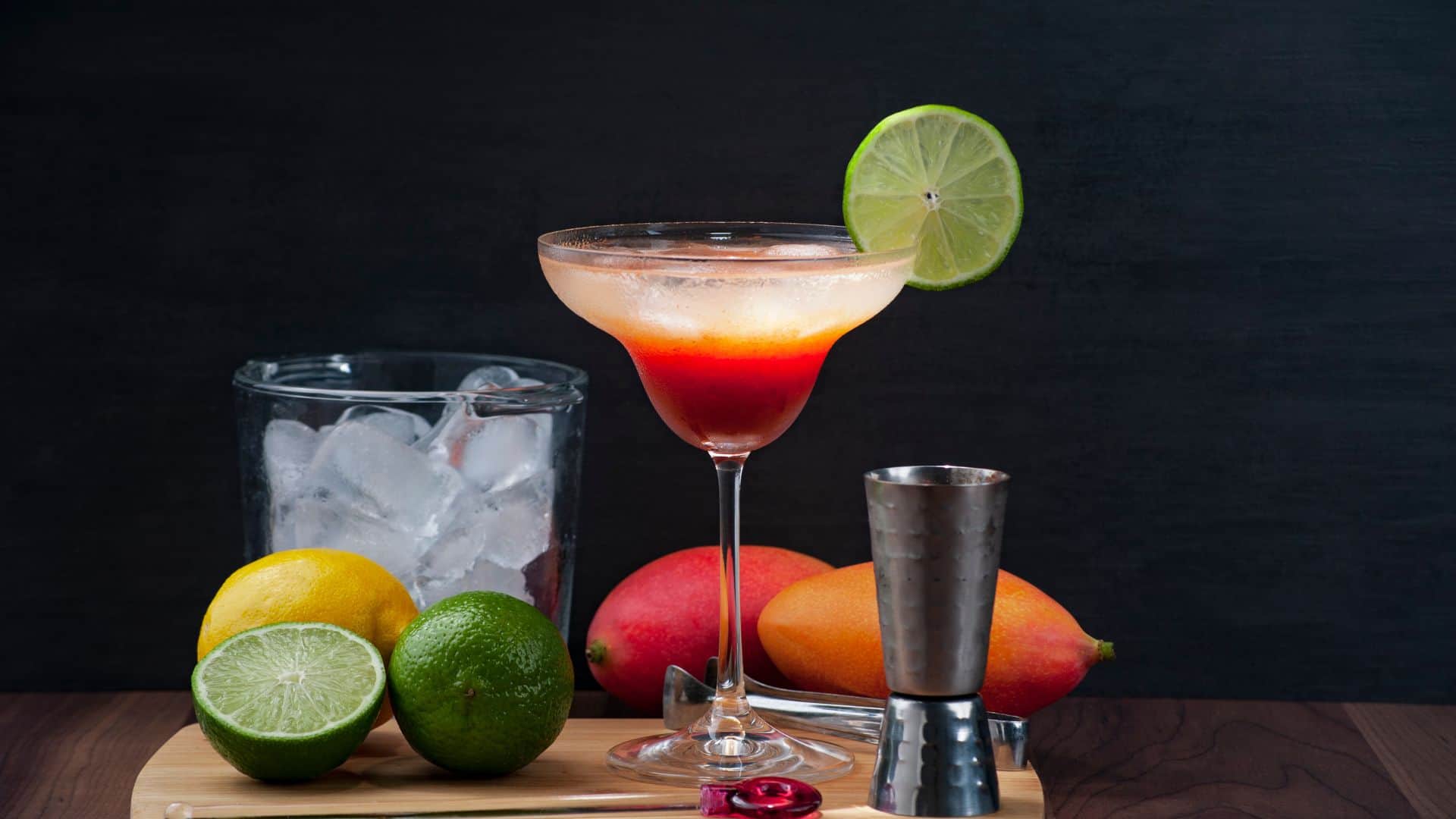
In a recent Reddit thread, it was asked, "Am I in the wrong for not siding with a friend for treating restaurant staff rudely when they served her a cocktail instead of a mocktail she ordered?" She went on to say that she and a friend went out to dinner, where her friend ordered a mocktail. Her friend later said that she tasted alcohol in her drink and started to feel itchy.
The bill arrived, and they saw they had been charged for a cocktail, confirming the mix-up. The waitress apologized, but the friend who was served the wrong drink was visibly upset. After more confrontations and apologies, they left the restaurant. The manager later texted to offer a full refund, but the friend who was served incorrectly wasn't having it.
The poster of the thread told her friend that she felt her reaction was out of line, and her friend responded that they should not go out together anymore. Now the thread's poster is asking whether she was in the wrong because she felt her friend was rude in how she handled herself and spoke to the staff.

The reactions
Over 800 people chimed in with their thoughts and opinions based on the facts given about the night.
One person said, "Maybe your friend was rude, but the actions by the restaurant warranted a response and management needed to know."
Many people agreed with that comment as it got over 8,000 upvotes. This might have been an accident, but it could have had serious consequences.
Another person wrote, "When you have alcohol flush syndrome (sounds like thats what OP's friend has) it IS dangerous to drink alcohol. Most people do anyway, but it can very easily cause cardiovascular damage, and it raises one's risk of esophageal cancer quite a lot. So many people think it's just inconvenient and a little annoying, but it really is dangerous."
It is scary to think about when it's attached to a medical condition or issue. Luckily, all that happened was that she was itchy, but it could have been worse for others. She got lucky, and it's important for her to communicate the mix-up to the staff so that they can be super aware and diligent moving forward.

This person pointed out, "Yes! My husband is a recovering alcoholic/addict (5.5 years sober). ANY alcohol has the potential to cause a relapse, period. I would be livid if he ordered a non alcoholic drink and was served alcohol, and then to get that attitude - it would put me over the top."
This is another great point. There are so many reasons that people order mocktails, so it's essential to make sure that there is zero alcohol in that drink.
Another wrote, "Itch? You mean an allergic reaction? Call it what it is."
Exactly. Her body was having a reaction. An allergic reaction. Some reactions are mild and are just itching, but others can cause severe reactions, including death. It's such a scary time for that person who is suffering that type of reaction because they don't know how sick they're going to get or if the reaction is going to ease in a short time or cause them to feel horrible over the course of the next few days.

When a mistake becomes a moment
It is easy to focus on who was right and who was wrong, but situations like this often reveal something bigger about how people handle conflict in public spaces.
Mistakes happen. Restaurants are high-pressure environments where miscommunication can occur, even when people have the best intentions. At the same time, everyone has the right to expect accuracy, especially when it involves dietary restrictions or medical concerns. Both truths can exist at once.
The larger lesson here is about response. There is a difference between asserting yourself and escalating a situation. Speaking firmly and requesting a manager are reasonable steps when a health issue is involved. But tone and timing matter. Once an apology has been made and corrective action taken, the focus can shift from resolution to retribution without anyone fully realizing it.
It also highlights how personal experiences shape reactions. Someone who has dealt with allergies or medical scares may respond more intensely than someone who sees the mistake as an unfortunate oversight. That difference in perspective does not automatically make one person careless or the other unreasonable. It simply shows how lived experience influences emotion.
Leave a Reply