
The question came from someone who remembered a very different version of the American food truck.
Living in the US back in 2016, they recalled trucks that were cheap, fast, and occasionally a little rough around the edges, earning the nickname "roach coach" for their inconsistent hygiene more than for their food.
Returning to the scene years later, they found the opposite. Prices now rival or exceed those of sit-down restaurants, and the quality has improved significantly. They brought the question to Reddit. How did food trucks make that leap in such a short window of time?
One commenter explained the shift in clientele directly. "They went from a practical service for blue-collar workers in cities to a novelty for craft breweries and festivals, which cater to more affluent customers who can afford the higher prices." What I think is that a truck parked outside a construction site exists to feed people quickly and cheaply. A truck parked outside a brewery exists to entertain people who already came there to spend money on something else, and pricing tends to follow the crowd it's built for.
Another commenter drew a comparison that made the pattern feel familiar rather than isolated to food trucks. "Same way why barns are expensive for weddings now, they become their own vibe instead of an affordable option."
A cluster of responses landed on simpler economics. "Regulations and insurance increased operating costs and the costs are passed to the customers," one wrote, while another added more specifics. "The costs of running a food truck went up a lot, cities want them to have all these permits etc, their costs aren't any lower than brick and mortar restaurants now so their prices aren't either." Food trucks were once cheap partly because they sidestepped the overhead of a real building. That gap has narrowed considerably.
One commenter took a sharper view of the customers themselves. "Like everything else, it's 100% consumer-driven. People just keep paying more and more. We have a world full of people with $20 burritos and $900 concert tickets who insist they can't afford to save for retirement or pay their medical bills. " It is a blunter argument than the others, but it lands on a real tension running through the thread. Prices climb because enough people are willing to pay them.
A related comparison came up around farmers' markets. "Same with farmers' markets. They used to be direct sales, so essentially wholesale prices. Now they have bougie prices for items that they might have purchased from a grocery store." The throughline across both comparisons is the same. Once something is rebranded as an experience, the price tag stops reflecting what it costs to make and starts reflecting what people are willing to pay for the feeling it evokes.
Finally, several comments circled back to image and visibility online. "The instagram effect. Influencers have romanticized food trucks and gave them reasons to hike up prices along with aesthetics." A truck that looks good in a photo invites a different price point than one that simply gets the job done, and once enough people start photographing their lunch instead of just eating it, the truck behind it starts charging accordingly.
My take on food trucks
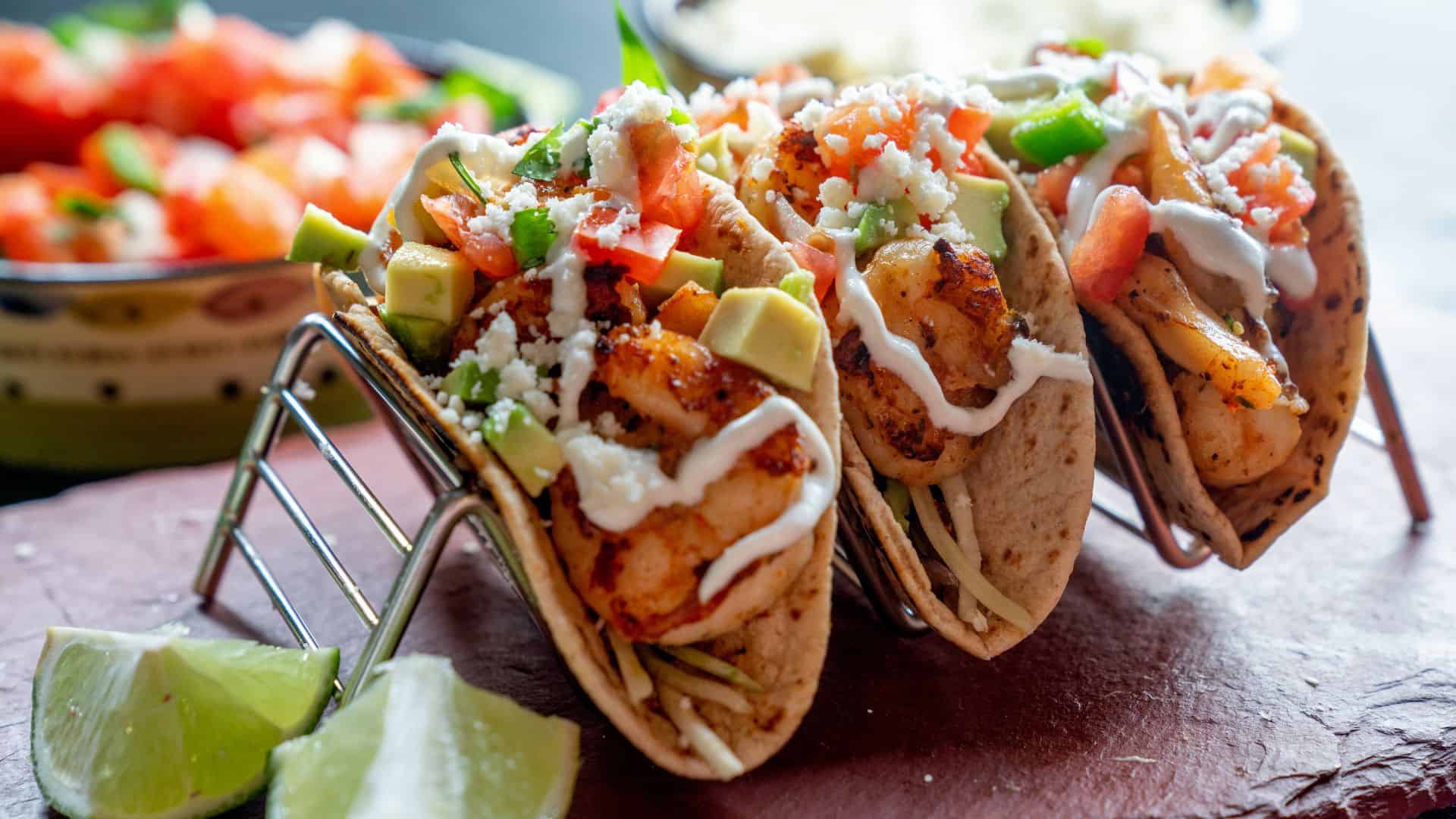
I think the regulation argument is real, but it's not what's actually driving this. What's driving it is how competitive everything has become. In 2016, a mediocre food truck could survive just by existing in the right parking lot. In 2026, it can't.
Yelp reviews, Instagram, TikTok, all of it means a forgettable taco gets exposed within a week, and a truck that doesn't bring something genuinely good gets buried by three others nearby that do. That pressure is brutal for the businesses living through it.
Competition usually means quality goes up, and quality going up usually means price follows it. I don't think that tradeoff is a scam. I think it's just how markets work when the bar gets raised.
Where it tips into something else is the aesthetic layer sitting on top of all that. Good food justifies a higher price. String lights, a chalkboard menu, and a name that sounds like a band do not, not on their own, but they get bundled into the price anyway because the whole package now reads as the product.
Leave a Reply