
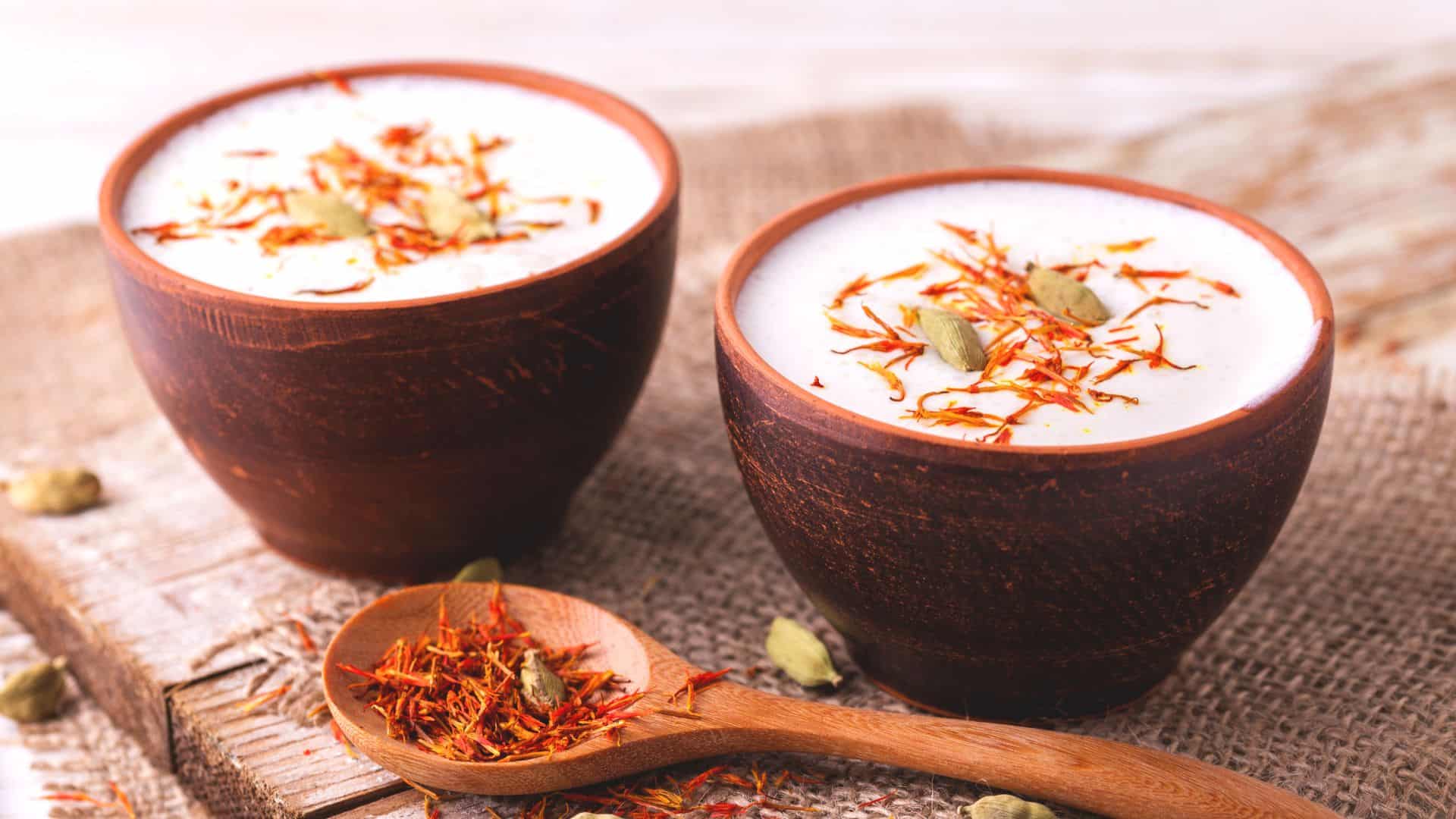
Saffron is used mainly to add color, aroma, and a subtle floral flavor to rice dishes, soups, sauces, seafood, and desserts, where just a few threads are enough to turn a dish golden and fragrant. Imitations often bleed differently, lose their shape, and lack any real scent, making the contrast surprisingly obvious once you know what to look for.
What saffron actually is
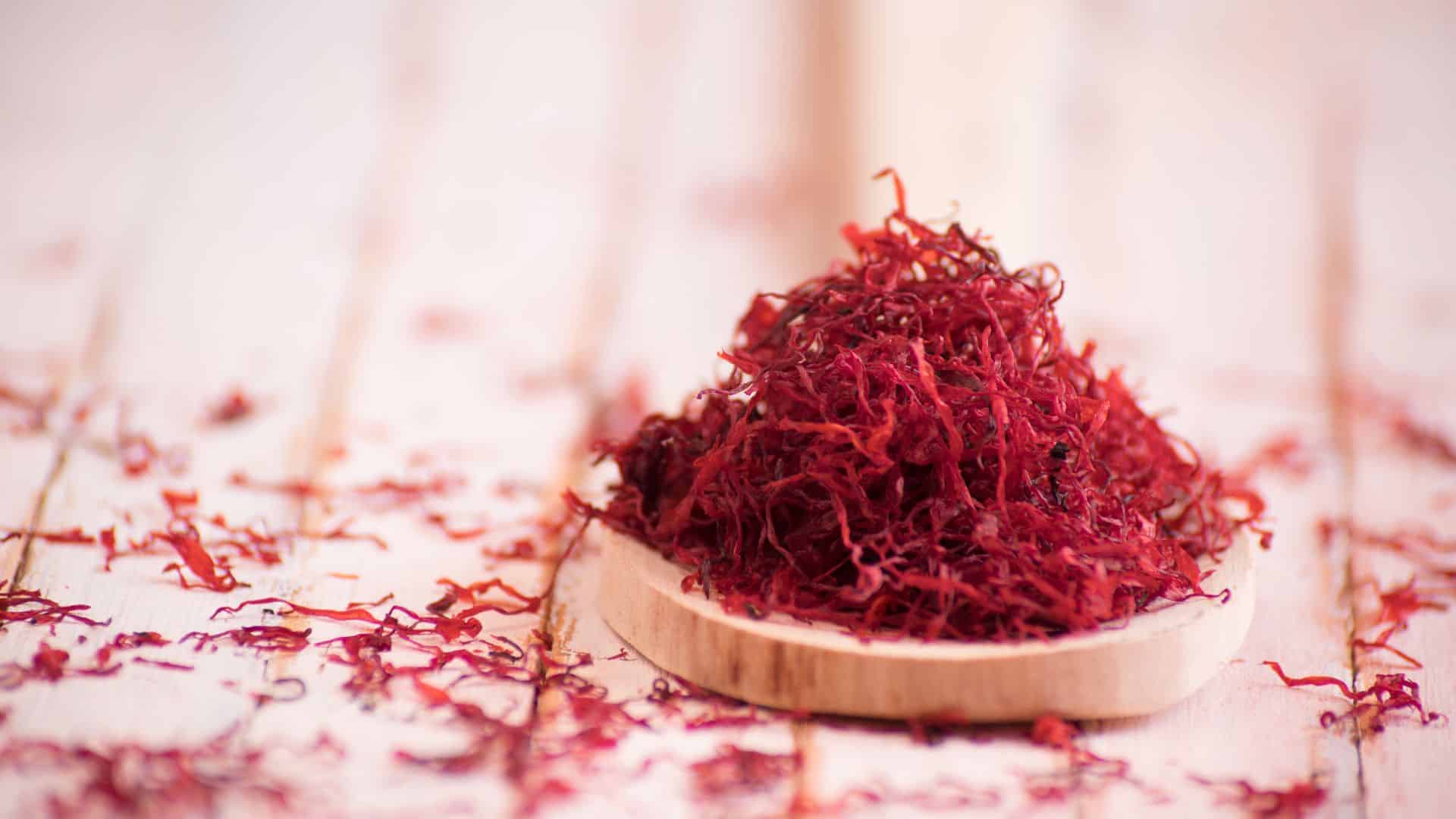
Real saffron comes from the dried stigmas of the crocus sativus flower. Each flower produces only three threads, all hand-harvested. That process explains both the cost and the care required to handle it well.
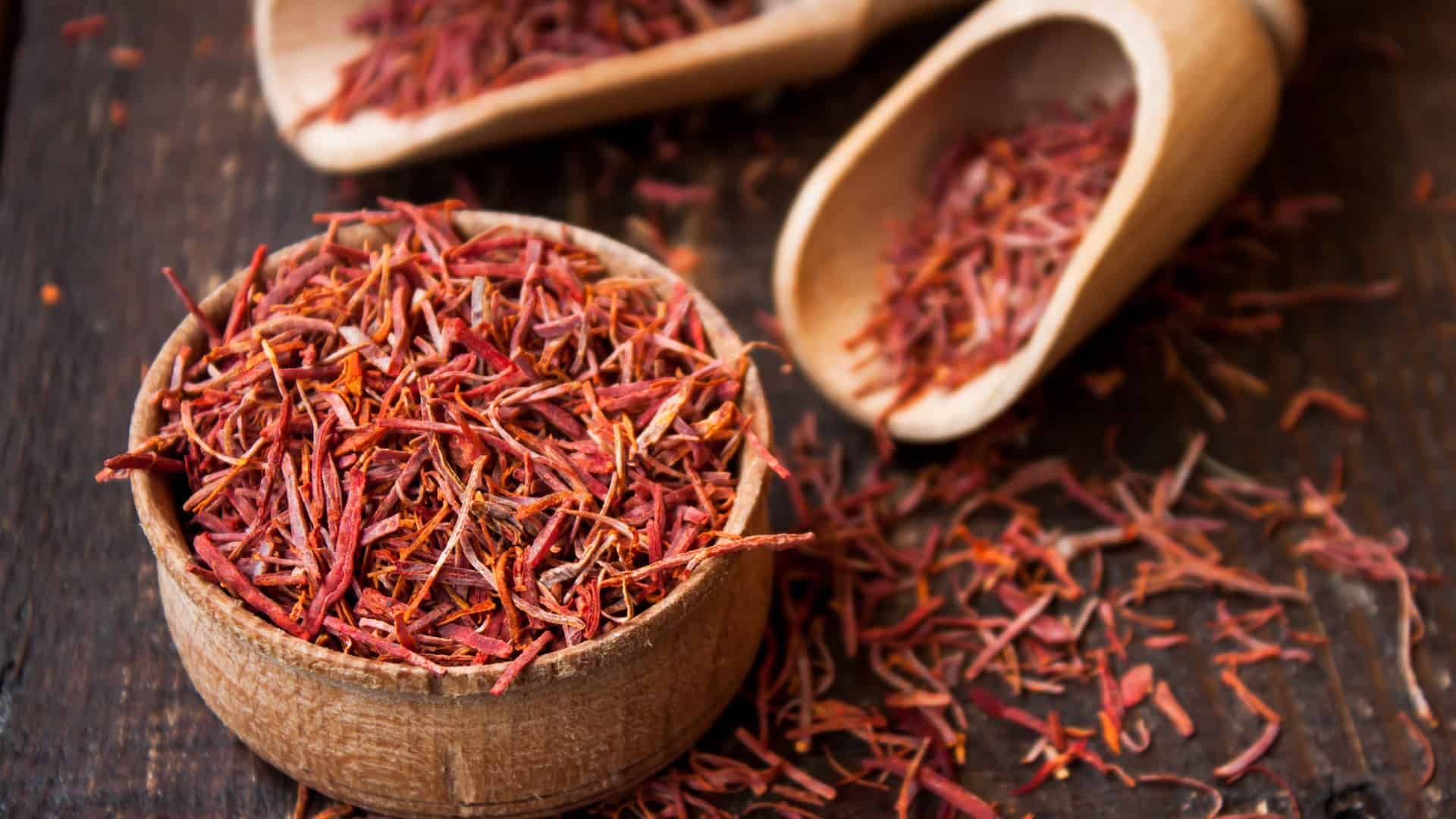
Those threads are fragile. They are not uniform or polished. They vary slightly in thickness and widen at one end, and this uneven shape is one of the first clues that saffron is real. Threads that look perfectly straight, glossy, or identical often are not saffron at all.
How fake saffron shows up
Because saffron is expensive, faking it is common. Some use dyed corn silk or other plant fibers to imitate its look. These substitutes are cheaper and easier to produce in large quantities.
Color is often misleading. Real saffron is a deep red, sometimes shading toward orange at the tip. It should not look bright red from end to end. If the threads leave red residue on your fingers or shed powder, the added dye is likely the cause.
Smell matters too. Real saffron has a light but distinct aroma that is floral and slightly sweet. If saffron smells like nothing at all, or carries a sharp or chemical note, it is probably not genuine, and you're looking at a copycat or fake.
@persatrading shows a good example of how to spot real vs. fake saffron.
Real saffron consists of deep red, thread-like stigmas that release color slowly when soaked, turning liquid golden yellow rather than bright red. Once real saffron threads are soaked and lifted out, the threads themselves become so richly saturated that you can almost paint with them.
Shopping for saffron without guesswork
One of the best pieces of advice my friend gave was simple: avoid powdered saffron. Once saffron is ground, there is no way to judge its quality. Powdered saffron is where fraud can easily happen.
Whole threads offer visual clues and last longer. Packaging also tells a story. Saffron sold in clear plastic bags or large containers exposed to light is often of lower quality. Light degrades saffron, and people who sell real saffron know that.
Price alone does not guarantee quality, but extremely inexpensive saffron almost always signals a problem. Real saffron does not sell at bargain rates, even in very small amounts.
How to activate saffron properly
This was the part that surprised me most. I had always added saffron directly to hot liquid or toasted it lightly. My friend instead recommended that I work with ice.
She placed a few threads in a small bowl and crushed them into a powder, then topped it with a couple of ice cubes and waited. As the ice melted, the water slowly turned golden. Not red. Not orange. Gold.
Blooming saffron with ice allows the flavor and color to release gently. Heating too early can flatten its aroma and introduce bitterness. After 20 minutes, the liquid is ready to use, retaining the full character of the saffron.
This method also reveals fakes quickly. Fake saffron tends to release a harsh red color almost immediately. Real saffron takes time and never turns the water bright red.
How much saffron you really need
With high-quality saffron, a few threads are enough to flavor an entire dish. Too much saffron can make food taste medicinal or sharp, some even say metallic. Real saffron works best when it supports a dish quietly rather than dominating it.
How to store saffron so it lasts
Saffron is sensitive to light, heat, and air. Proper storage makes a noticeable difference in how long it keeps its aroma and flavor.
My friend stores hers in a small airtight container in a dark cabinet, away from the stove. Refrigeration is unnecessary and can introduce moisture if the container is not sealed properly. Handled carefully and stored well, saffron can last for years with minimal loss in quality.
If saffron smells dusty or flat, it has likely been exposed to air too often or stored near a heat source.
The lesson that stuck
This kitchen lesson changed how I shop for and cook with saffron. It also changed how I think about expensive ingredients more broadly. Real saffron does not need to announce itself. It adds depth and balance without drawing attention.
Fake saffron never quite gets there, no matter how much you use. The difference becomes obvious once you know what to look for.
Candace Peterson
thank you