
We all have our likes and dislikes when it comes to food, but a new survey shows which food Americans can’t stand the most.
YouGov recently asked people to tell in their own words which, if any, foods they despise. Based on their responses, they developed a list of 40 foods with ample haters. Then, in a separate survey, they asked Americans about their feelings on each.

Seafood is the second-hated after liver
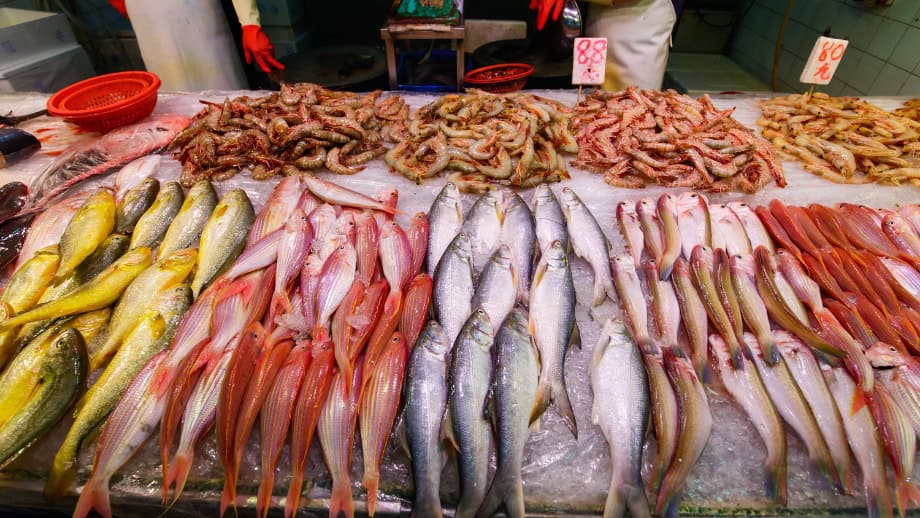
Seafood dominated the upper half of YouGov’s list. After anchovies and sardines, other ocean-based foods ranked high in dislike, including squid, caviar, oysters, and sushi.
Anchovies have long been polarizing, appearing in Caesar salad dressing and on pizza but often avoided for their strong, salty flavor. Sardines and squid drew similar responses. Even luxury foods such as caviar divided respondents, with about one-quarter saying they were unsure how they felt about them.
Divided opinions on vegetables
Vegetables also appeared throughout the ranking but tended to draw more mixed reactions. Kale, beets, and Brussels sprouts were among the least popular, though they had larger groups of neutral or positive respondents than seafood.
17% of Americans said they hate kale, while 14% dislike it. Yet 31% said they feel neutral, the highest neutral rating of any food in the survey. Beets and eggplant also had a similar number of respondents showing hate towards them.
By contrast, vegetables such as spinach, broccoli, and cauliflower fared far better. Only a small percentage said they hated them, and more than a third said they loved them.
Foods Americans actually like
The least disliked items in the entire survey were eggs and bananas. About 51% of respondents said they love eggs, and only 3% hated them. Bananas were the most liked fruit on the list, and 50% of the people said they like them.
Other foods near the bottom of the dislike chart include tomatoes, onions, beans, and green beans, all rated favorably by most Americans.
Despite the focus on disliked foods, YouGov noted that most items still received more positive than negative ratings overall. “People really like food, even types of food that have lots of detractors,” the report said. A food may need enough fans to make it common before it can be widely disliked.
Differences by age
YouGov found that age plays a clear role in how Americans view certain foods. Adults under 45 were more likely than older adults to dislike or hate condiments such as mustard, mayonnaise, pickles, and olives. Younger adults were also more likely to say they were unsure about how they feel about some foods, including liver, okra, and chitterlings.

Older adults, meanwhile, were more likely to dislike tofu and sushi. While younger respondents were somewhat more open to these foods, both groups still placed them among their least favorite.
The results suggest that familiarity and exposure shape food opinions. Foods that are more common among younger adults, such as tofu, sushi, and kale, are often disliked by older Americans.
Gender gaps in taste
Gender also influenced opinions about certain foods, according to the survey. Men were more likely to dislike vegetables, including Brussels sprouts, cauliflower, spinach, and broccoli. Women, on the other hand, were more likely to dislike seafood, particularly anchovies, sardines, squid, oysters, caviar, and sushi.
Women also reported stronger aversions to liver, chitterlings, and pork. Across all 40 foods, women were four percentage points more likely than men to say they dislike or hate an item.
What makes a food polarizing
The foods that draw the strongest negative reactions often share two traits: distinctive flavor and texture. Items such as anchovies, blue cheese, and liver have pronounced tastes that people either love or reject entirely.
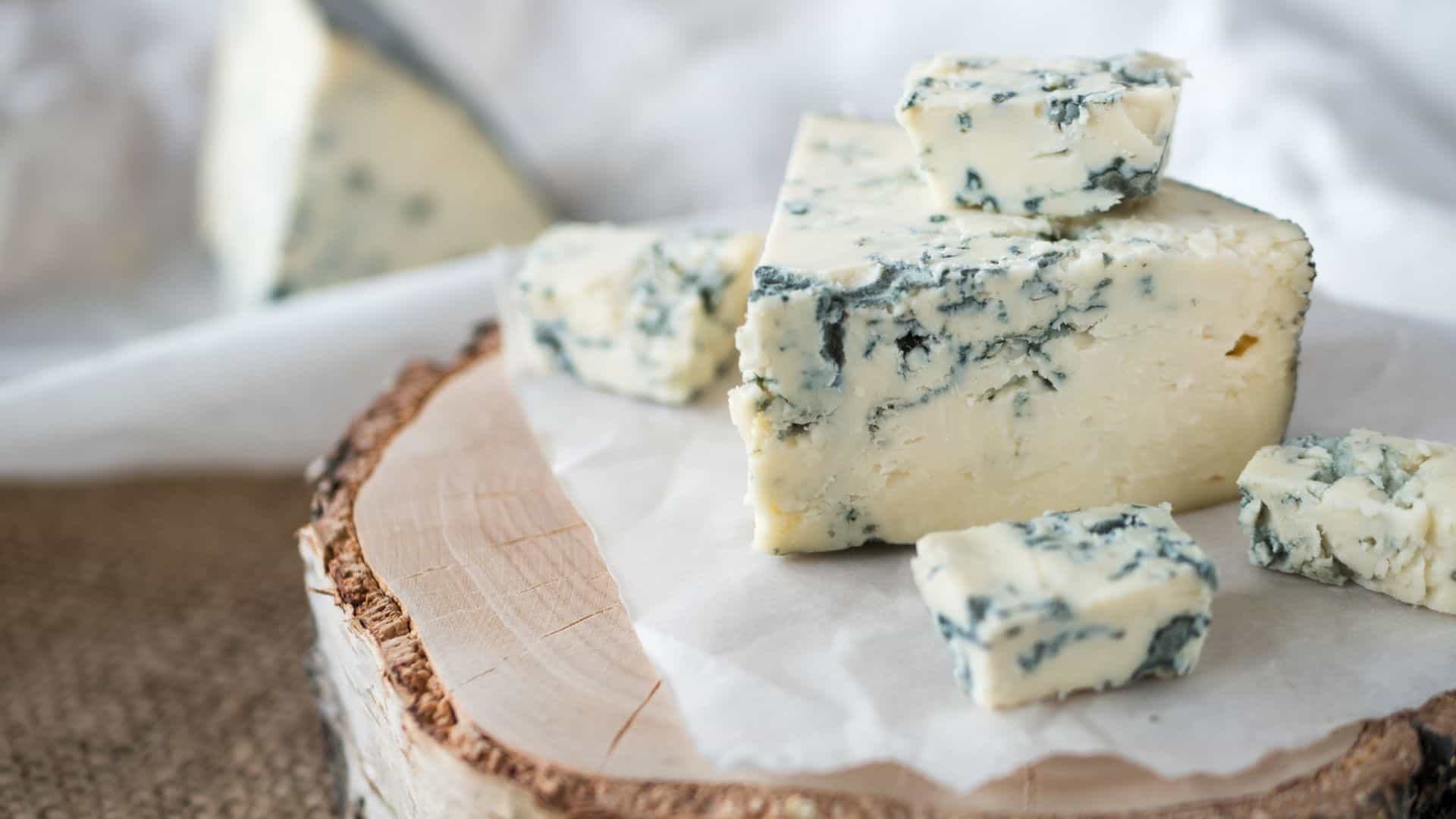
Blue cheese, for example, was the only dairy product on the list. Thirty-nine percent of Americans said they dislike or hate it, but 16% said they love it, one of the widest opinion gaps in the survey.
Cultural exposure also shapes people's perception of food. Anchovies and sardines are staples in Mediterranean cuisine, while chitterlings and okra are eaten widely in parts of the South. Foods like tofu and sushi are common in Asian cooking but remain less familiar to many American households.
Divisive, but mostly liked
Even with strong dislikes, most of the foods included in the survey had more people liking them compared to those who hated them. YouGov found that 31 of the 40 items were liked by more people than not.
That pattern suggests that many foods become “hated” only after enough people try them. Foods that rarely appear on menus or grocery shelves draw fewer opinions overall.

Kale, caviar, and chitterlings had some of the highest “neutral” and “unsure” ratings, meaning large portions of the population either haven’t tried them or don’t have strong feelings about them.
Methodology
The results are based on two YouGov surveys conducted online from July 24–27, 2025, and July 25–27, 2025. The surveys included 2,239 U.S. adult citizens who were selected from a random sample stratified by gender, age, race, education, region, and voter registration. The sample was weighted according to data from the 2019 American Community Survey and 2024 presidential vote estimates. The margin of error is plus or minus 3 percentage points.
Leave a Reply