
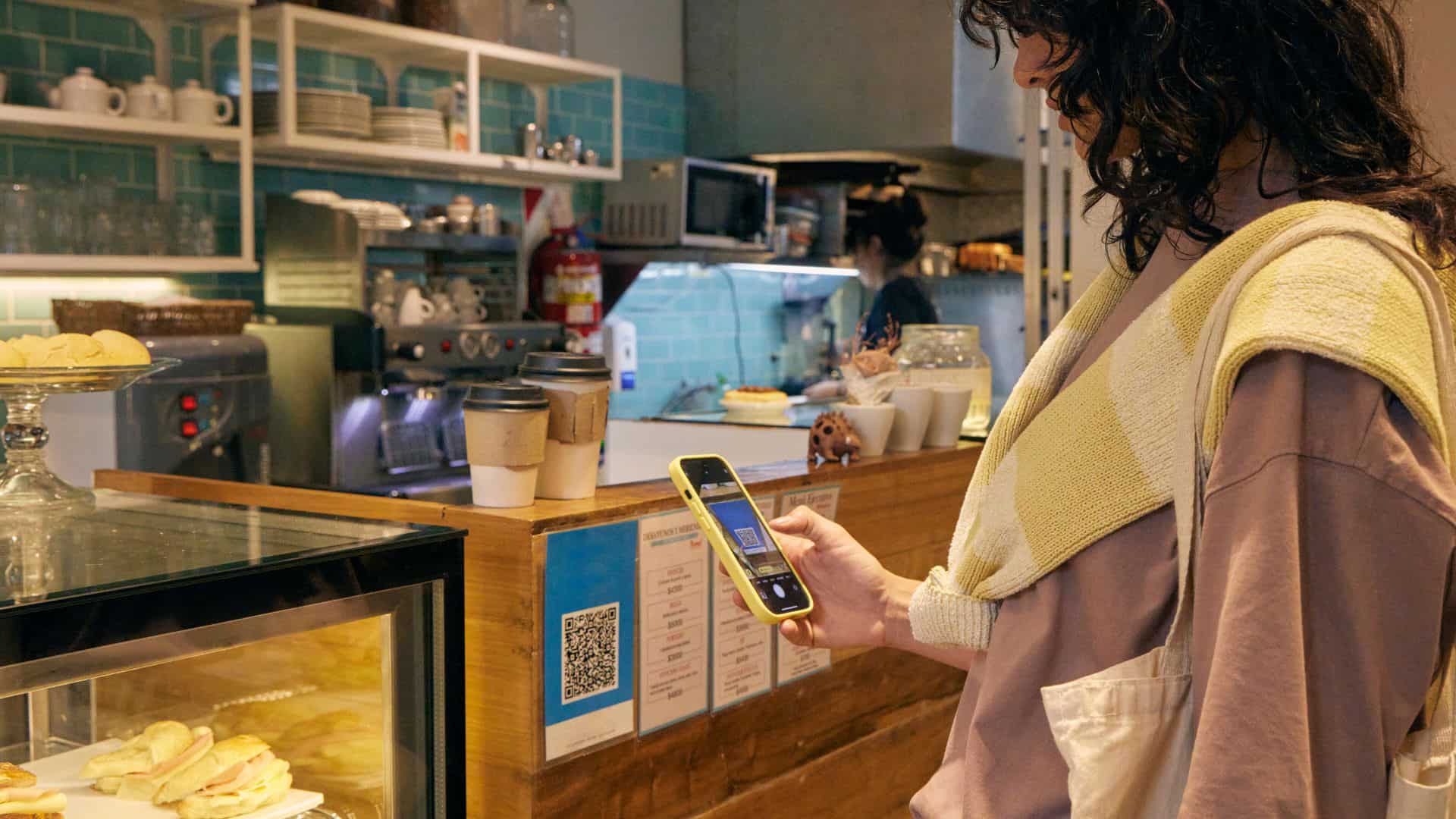
QR code menus moved from novelty to norm almost overnight. During the height of the pandemic, restaurants needed a way to limit contact and reduce the number of shared surfaces. Laminated menus disappeared. In their place came small black-and-white squares perched on tables and receipt holders. With a quick scan, a full menu appeared on a phone screen.
Years later, many restaurants have kept them. For some owners, the shift makes practical sense. For many, the experience still feels unsettled.
Why restaurants embraced them
When dining rooms reopened under strict health rules, QR codes offered a fast solution. There was no printing cost and no need to sanitize stacks of menus between seatings. Updating a dish or price no longer meant reprinting dozens of copies. A manager could make a change in minutes.
Costs matter in an industry with tight margins. Food prices have fluctuated sharply in recent years. Labor shortages have forced restaurants to rethink how they operate. Digital menus allow for quick edits when ingredient prices rise or when a supplier falls short. That flexibility can help protect profits without drawing attention to frequent changes.
QR codes also create new opportunities. Restaurants can add photos and adjust menus based on the time of day. Some systems connect directly to ordering platforms, allowing people to place orders and pay without waiting for a server.
From a business standpoint, the appeal is clear. The technology is simple and easy to manage.
The guest experience
For some, the experience is more personal. Sitting down at a table and being handed a physical menu signals welcome. It sets a tone. When the first interaction is a request to scan a code, the tone shifts.
Some people appreciate the ease. They are used to using their phones for everything from banking to boarding passes. A digital menu feels natural. They can zoom in on small text and review ingredients without flipping pages.
Others feel a friction. Not everyone wants to pull out a phone during dinner. Some see it as an interruption to conversation. Others may have limited data or older devices that struggle with certain platforms. In a dimly lit dining room, reading from a bright screen can be uncomfortable.
Accessibility is another concern. Some may find the process confusing. Families with children often pass around one device, which slows down ordering and adds frustration.
The divide is not strictly about age. It often comes down to expectations. When people go out to eat, they are not only paying for food. They are paying for service and a break from daily routines. For some, scanning a code feels too close to the self-service systems they encounter elsewhere. And what about the tip aspect? Does this count as takeaout tipping, since much of the work is done by the person ordering?
Hospitality and human connection
Restaurants have long been places of connection. A host greets you. A server explains the specials. A printed menu offers a tactile moment to pause and choose. These small details shape how people feel about a meal.
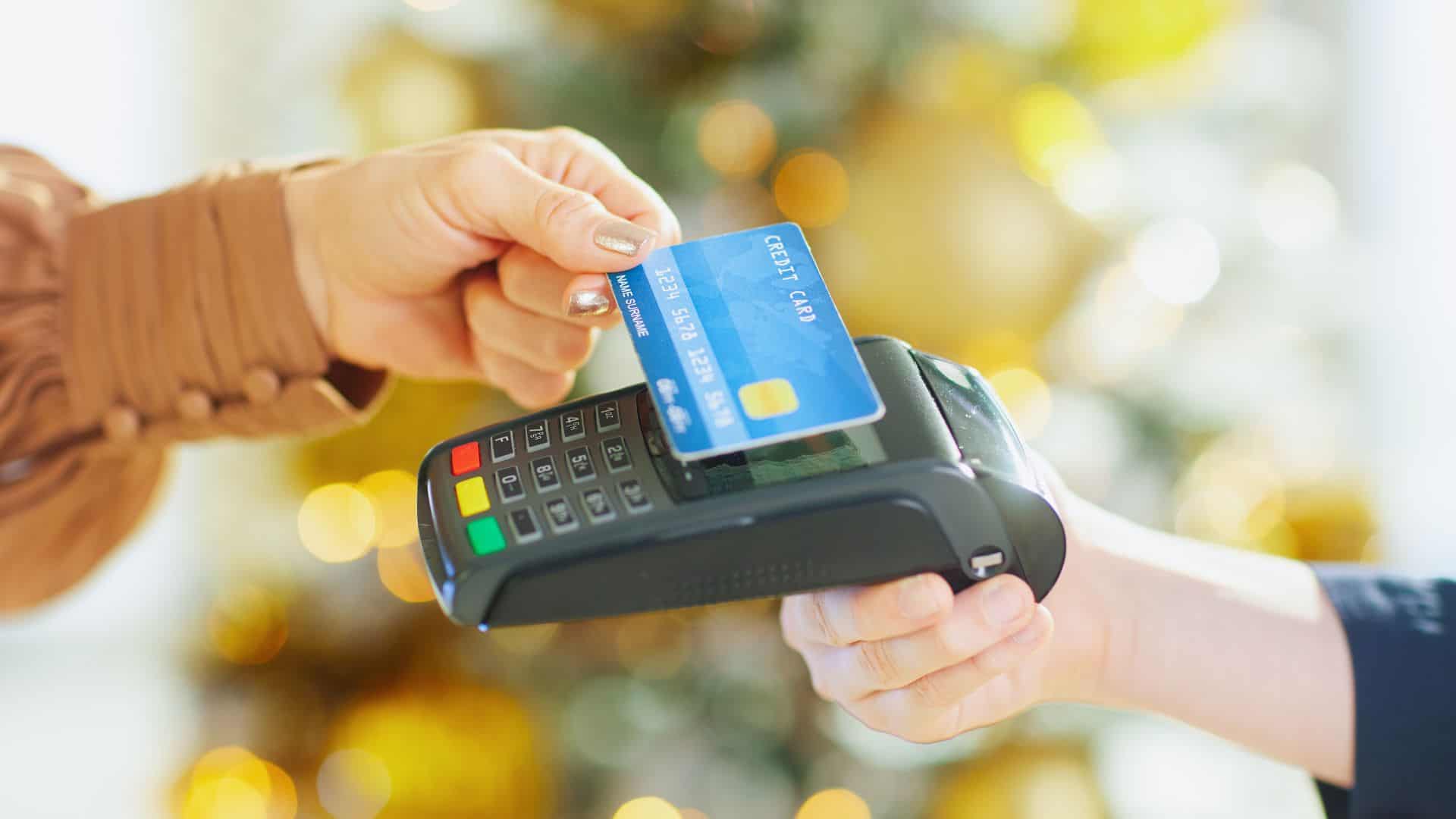
QR code menus can reduce direct interaction. If ordering and payment both happen through a phone, a server may have fewer reasons to return to the table. That can streamline service, but it can also thin out the human touch.
Some restaurant owners argue that digital tools free staff to focus on conversation rather than paperwork. If a person can pay by phone, a server does not need to run back and forth with a check presenter. In theory, that creates more time for meaningful engagement.
The business case today
Even as health concerns have eased, many restaurants have chosen not to return to printed menus. Printing costs add up, especially for large menus that change often.
There is also an environmental argument. Digital menus reduce paper use and waste. For restaurants that position themselves as eco-conscious, QR codes align with that message.
Data collection is another factor. Some digital menu systems track which items are viewed most often and which pages people linger on. That information can guide pricing, layout, and promotions. Traditional menus offer no such insight.
Still, not every establishment benefits equally. Fine dining restaurants that emphasize ambiance and tradition may find that digital menus clash with their brand. A polished leather-bound menu communicates something different than a code printed on a table tent.
The decision often depends on concept and price point. A neighborhood café may thrive with a simple QR system. A high-end steakhouse may see value in a printed menu that feels substantial in the hand.

Finding a balance
Some restaurants are now taking a middle path. They offer QR codes but keep a small stack of printed menus available upon request. That approach allows people to choose without forcing a single experience.
Clear communication helps. When a host explains that printed menus are available, it reduces tension. It signals that the restaurant values comfort over convenience alone.
Design also matters. A well-built digital menu that loads quickly and displays clearly feels more thoughtful than a cluttered web page with tiny text. If restaurants adopt technology, it needs to work smoothly. Otherwise, frustration overshadows efficiency.
Ultimately, QR code menus are a tool. Like any tool, their impact depends on how they are used. They can streamline operations and offer flexibility. They can also create distance if they replace rather than enhance service.
The question is not only whether QR codes are convenient. It is whether they fit the kind of experience a restaurant wants to offer. For some places, digital menus align with a modern, fast-paced environment. For others, they may undercut the sense of care that defines hospitality.
As dining continues to evolve, restaurants will keep adjusting. People will keep forming opinions based on how they feel when they sit down. In that first moment, before the food arrives, the choice between a printed menu and a QR code shapes the entire meal.
Leave a Reply