
Pregnancy can change a person’s appetite almost overnight. About 50 to 90 percent of pregnant women experience strong cravings or new aversions at some point. These changes can make everyday meals surprisingly difficult to digest, especially when someone else is deciding the menu. A pregnant woman turned to Reddit for help when the meals her mother-in-law prepared were not enough to fulfill her cravings.

The story
A woman shared on Reddit that she is pregnant with twins after four years of infertility and is temporarily, for 2-3 months, living with her in-laws while her husband works out of town. Her mother-in-law is kind and supportive and runs a multigenerational household, but she refuses to let her daughter-in-law cook and insists on preparing every meal herself. Although the food is made with good intentions, it isn’t satisfying her pregnancy cravings, leaving her hungry and unsure how to address the issue.
She has tried telling her politely that she would rather cook her own meal; however, she doesn’t want to offend someone who is genuinely trying to help, and ordering takeout isn’t realistic for cost or health reasons. She turned to the internet, hoping for guidance on setting boundaries without damaging a good relationship.
The reactions
Many people offered practical ways to handle the situation without hurting the mother-in-law’s feelings.
One person wrote, “Easy way out: just keep talking about your cravings you’re having. She’ll understand, most women who’ve been through pregnancy will have had new strange cravings or things that made them queasy that they otherwise loved pre-pregnancy.”

It’s normal to have cravings during pregnancy. Talking about it may give the mother-in-law a clear reason for the sudden food aversions without making it sound like her cooking is the problem. Most women who’ve been pregnant remember their own unusual cravings, so she’s more likely to understand rather than feel offended.
Another shared a similar experience: “When my wife was pregnant, and we were staying with my parents, everyone knew her newly formed likes and dislikes. Just be open about it. ”Sometimes a simple explanation is enough to make everyone understand why a pregnant woman cannot eat certain foods and what she craves. If these things are communicated clearly, it can prevent any misunderstandings, and the family can plan meals that don’t create extra stress or discomfort.
Others encouraged adjusting how meals are handled at home. One commenter said, “Can you work it out so you and she take turns making meals for the household? Maybe you can give her a few pointers about cooking, and you can lighten each other’s loads a bit.”
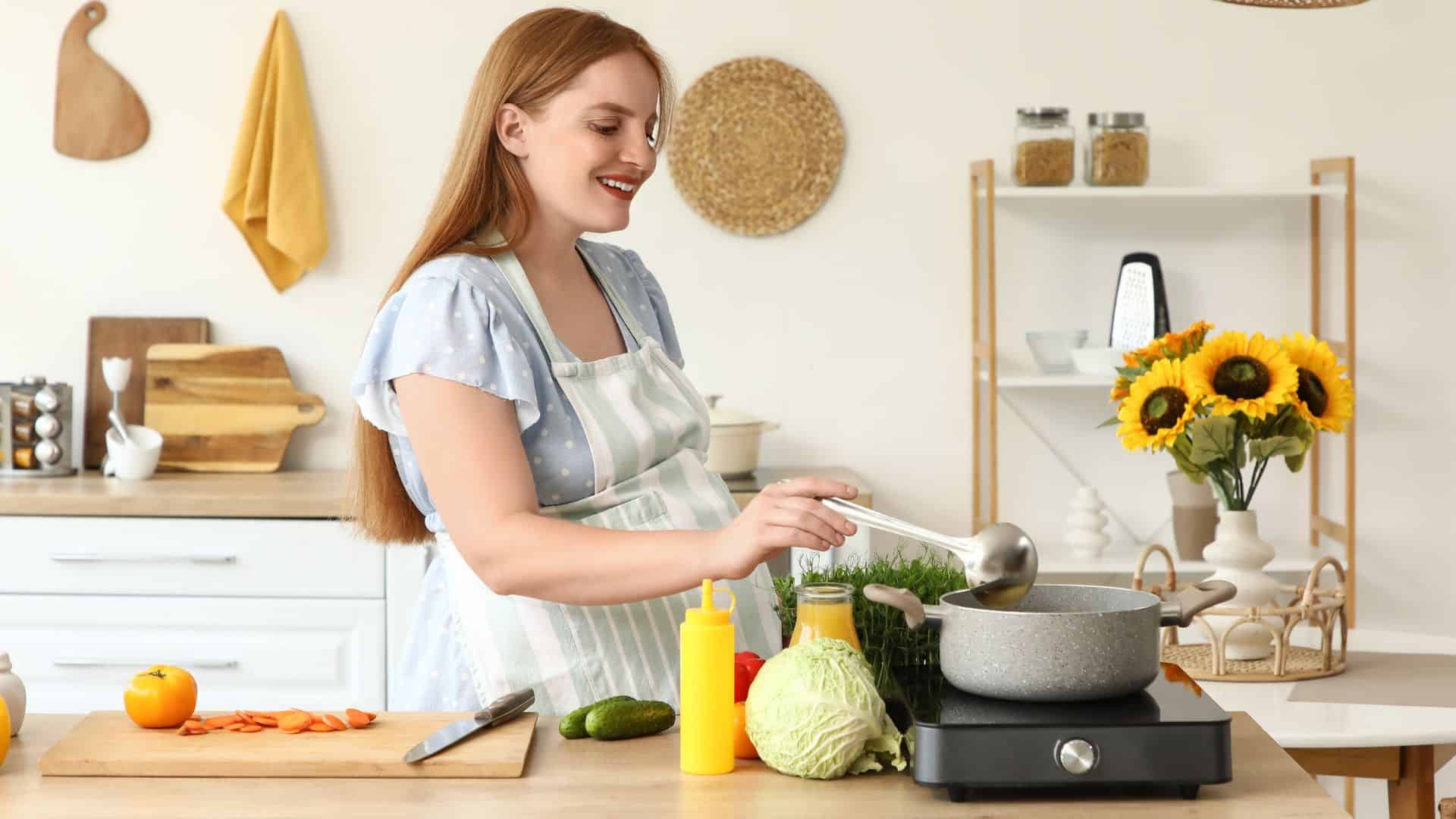
Taking turns allows different meals to be introduced while still acknowledging the mother-in-law’s effort in the kitchen. It also avoids placing the burden on a single person. When cooking in turns, everyone, including the pregnant woman, can enjoy a variety of meals without getting bored or going to bed on an empty stomach.
A Redditor even said to blame the doctor, “This is where you blame your doctor and tell your MIL that you’re focused on growing a healthy baby and to do that you need more variation in your diet.” This is a reasonable excuse to give to the mother-in-law. If she knows the doctor has suggested something, she may allow herself to cook different healthy, filling meals.
A few people warned against direct criticism of the cooking. One person wrote, “Don’t. You will hurt her feelings. Offer to cook or order takeout if you are craving something”.
Some people take great pride in their meals, especially older relatives. Even small, harmless comments can be taken personally. It’s best to avoid a direct conversation because the fallout isn’t worth it. On days when certain foods are harder to tolerate, preparing a simple alternative can address the issue without creating an uncomfortable moment at the table.
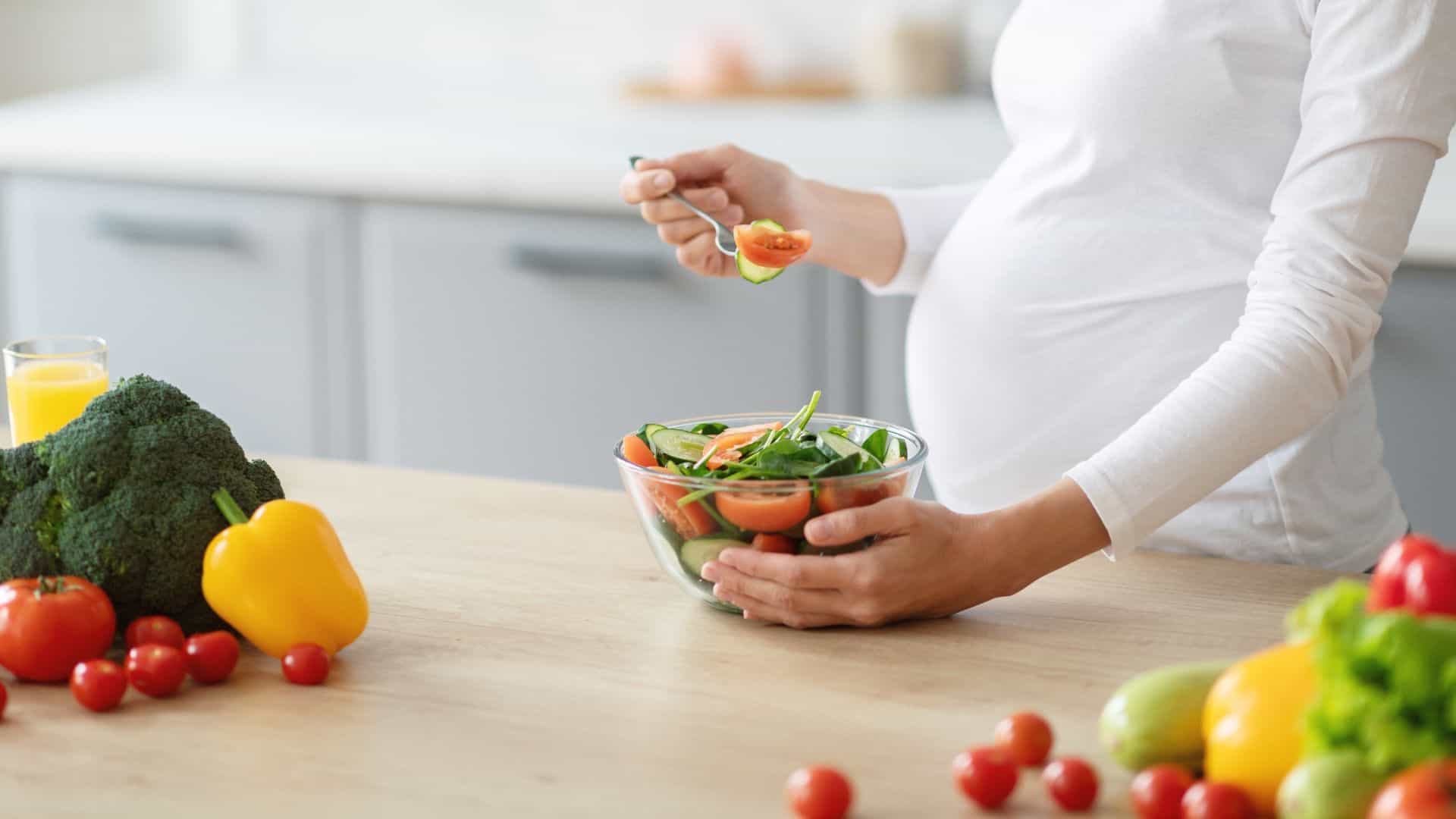
Others advised avoiding conflict altogether and relying on other meals, “Don’t tell her. Just don’t eat much, then make yourself a protein shake.” Not every situation needs a long explanation, especially during pregnancy when energy is low. When meals are not fulfilling, adding a protein shake or even a salad can fill the stomach. It avoids drawing attention to the issue while still meeting basic nutritional needs during pregnancy.
How shared households can approach food during pregnancy
Living with family means everyone has their own way of doing things, and adjusting to one pregnant member’s meal preferences can be challenging. Here are some ways families can approach food so everyone feels involved and eats without any issues.
- Keep a few mild or plain foods available so there is always something simple if the main dish feels too heavy during pregnancy.
- Offer options — a main dish plus a couple of sides — so everyone can choose what works for them.
- Be mindful of strong cooking smells, especially during preparation, since some may become overwhelming during pregnancy.
- Serve part of the meal separately, rather than combining everything into one dish, so the pregnant woman can choose what she wants to eat without anyone having to make a new meal.
- Offer flexible meal times, since women may feel hungry at different times than the rest of the household during pregnancy.
The takeaway
Pregnancy can make meal planning more challenging, especially in homes where several adults share the same kitchen. Small changes in appetite can create issues that aren’t obvious to others. When someone else is responsible for the cooking, these needs may even go unnoticed. Talking about them early helps prevent confusion and keeps everyone on the same page. Shared households often adjust well once expectations are expressed clearly.
Even small changes can help, whether it’s adding a simple side dish or allowing a different mealtime when needed. These are not significant adjustments; they just make eating more comfortable for the pregnant person. It also respects the effort that goes into cooking without asking anyone to redo the entire meal. Once people understand what helps, they tend to adjust without difficulty. It also makes the environment more comfortable for the pregnant woman and everyone sharing the space.
Leave a Reply