
Meals can reveal tensions that have little to do with food itself. Pregnancy often changes daily routines, and small choices can suddenly feel more important than intended. One expectant mother shared her experience after a family dinner led to a disagreement over fairness and what should reasonably change during pregnancy.
The story
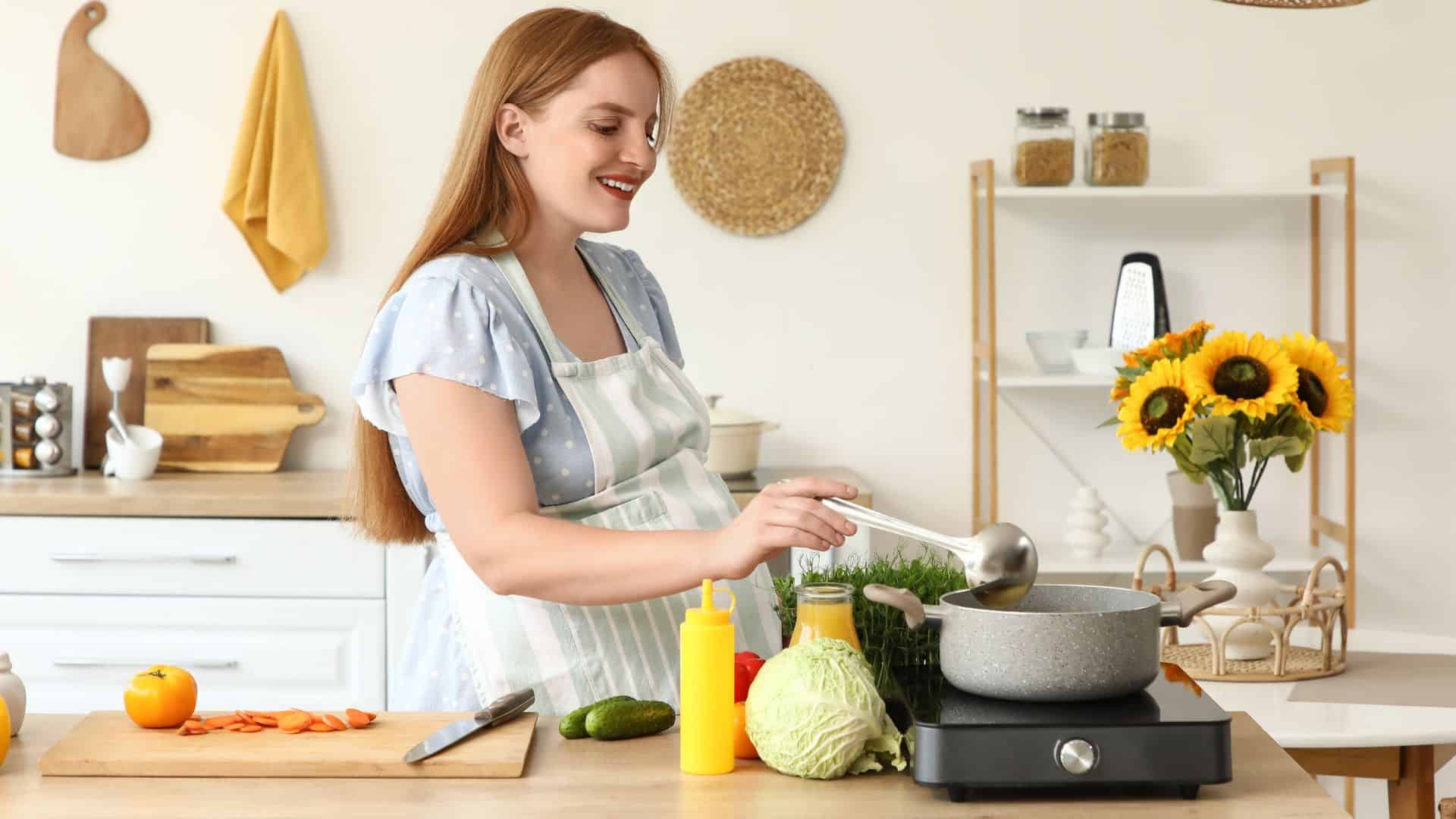
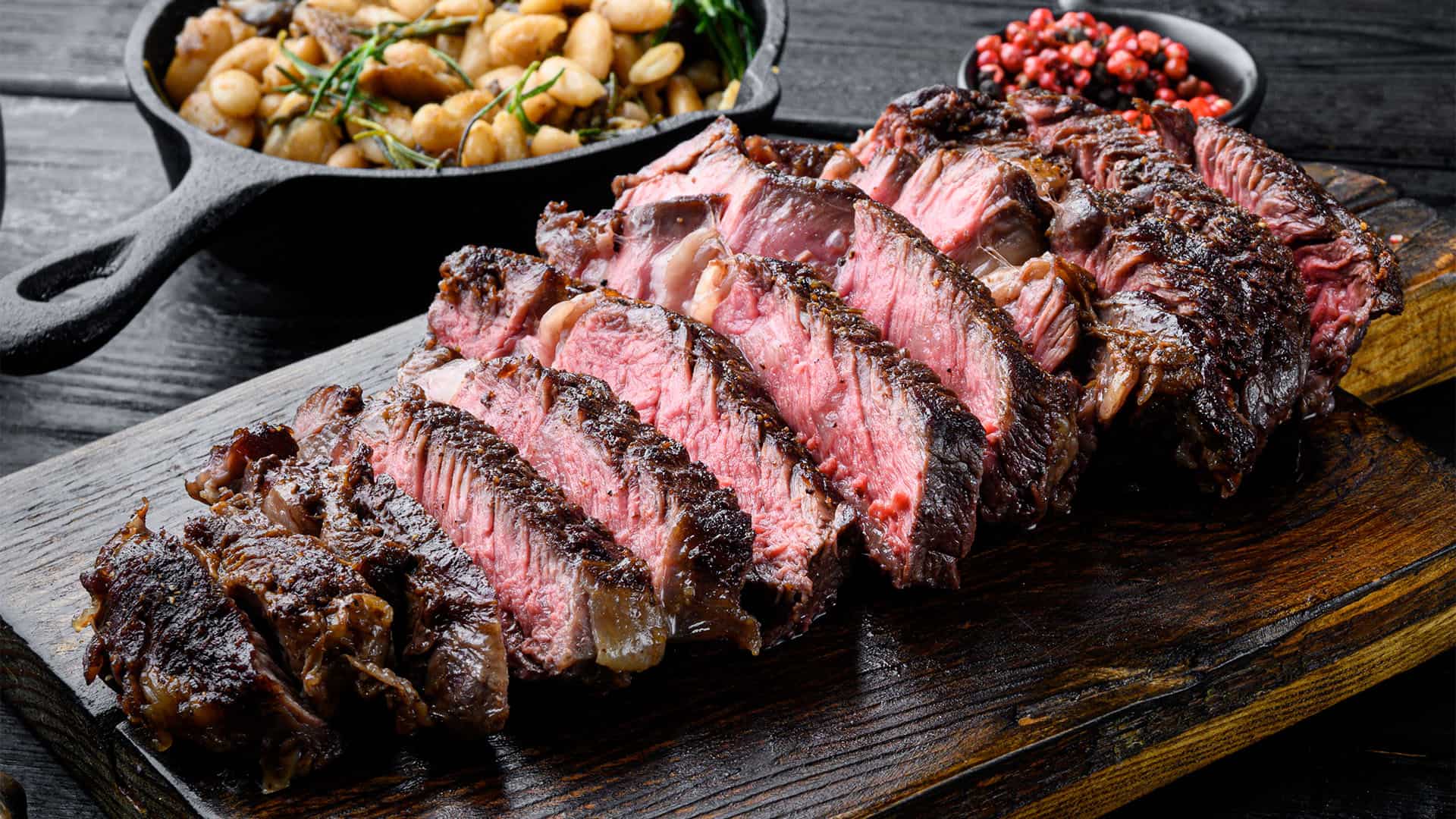
In a recent Reddit thread, a woman asked, "Am I in the wrong for feeding my family a fish dinner while I eat steak and potatoes?" She goes on to say that she's pregnant and has a big craving for steak. She makes her family nice meals, then makes herself a steak to satisfy her pregnancy cravings.
Her fiancé told her he'd love steak and potatoes like hers, but she said she only had one steak. He said that they could share, and she said she needed it all since she was feeding two people. He told her that she's selfish and using pregnancy as an excuse to be greedy. They haven't spoken since then, and now she's wondering if she was in the wrong for her response.
Over 1,000 people chimed in with their thoughts and opinions.
The reactions
Even though the thread ultimately determined she wasn't in the wrong, not all comments agreed.
One person said, "You’re already making two separate meals every single night to satisfy your cravings while still feeding the entire family. That alone is more than enough."
Very true. She's pregnant and cooking two different meals every single day to feed the family. She's doing her part, so what is the harm in having her feed her cravings so that she goes to bed happy and full?
Another comment stated, "Wanting to take half the meal off his pregnant wife is whats selfish."
Maybe he was assuming that she'd cook another steak or eat more potatoes that night than meat to share. It is a bit odd for him to want half her meal knowing that it's what her body is craving, but it's not an every-night ask from him either.

A person left this piece of advice. "You might want to get your iron levels checked. Craving red meat can be a sign of low iron."
This is true. According to the Chiropractic Nutrition Clinic, craving red meat is a sign that your body needs iron. People listen to their bodies' needs every day, and during pregnancy, it is no different.
This person thought she was in the wrong. "One night of splitting a steak she eats every day just seems like the right thing to do."
It's definitely a point of discussion. Instead of getting defensive, they could have talked it through and crafted a better plan. Maybe they could have agreed to share some of the steak, then set up a plan to split the meals one per week, or even buy an extra steak for him on a different night.
This person said what many people were thinking. "Nothing's preventing the fiance from cooking his own steak. She's not a short-order cook."
If he wanted a steak, he could easily have made his own. There would have been no drama that way, and both could have gotten what they wanted.
When shared meals become a source of conflict
Disagreements over dinner often carry more weight than the food itself. When expectations clash at the table, the conflict usually reflects broader questions about fairness and whether everyone feels acknowledged.
Pregnancy can intensify these tensions. Without direct communication, a disagreement over dinner can quickly shift into a debate about respect and consideration. Timing is often at the center of these disputes. When someone asks for a change after food has already been prepared, the request may seem minor to them but substantial to the person who cooked.
Planning and preparing meals require mental effort, which can feel heavier during pregnancy. A last-minute request can be taken as a disregard for that effort, even if no harm was intended.
Scarcity also plays a role. When a meal is prepared with a specific purpose in mind, sharing is not always that simple. The idea of splitting food assumes equal flexibility, which may not exist when one person’s intake is tied to pregnancy-related needs.
Calling someone selfish is a quick way to shut down a productive discussion. They move the conversation away from the situation and toward personal character, making resolution harder.

Disagreements like these rarely end when the meal is over. Food often becomes a stand-in for bigger conversations about support and changing needs. Pregnancy brings real adjustments, and those changes need to be talked through. Clear conversations ahead of time, and revisiting expectations as circumstances shift, can help prevent minor issues from turning into lasting conflicts.
It also helps to separate intent from impact. A request for a different meal may come from desire rather than disregard. Refusing to share may come from necessity rather than selfishness. Acknowledging this does not excuse hurtful behavior, but it creates space for a more constructive conversation.
Leave a Reply