
Healthy skin depends on more than just topical products. While skincare products help on the surface, what you eat directly affects hydration, firmness, and how well your skin repairs itself.
Eating a variety of nutrient-dense foods, especially those rich in vitamins A, C, E, protein, and healthy fats, supports skin cell turnover, collagen production, and barrier function.
According to popular plastic surgeon, Doctor Youn what you eat has a profound impact on how your skin looks. He recommends the following five food groups for younger, healthier-looking skin.
Healthy fats
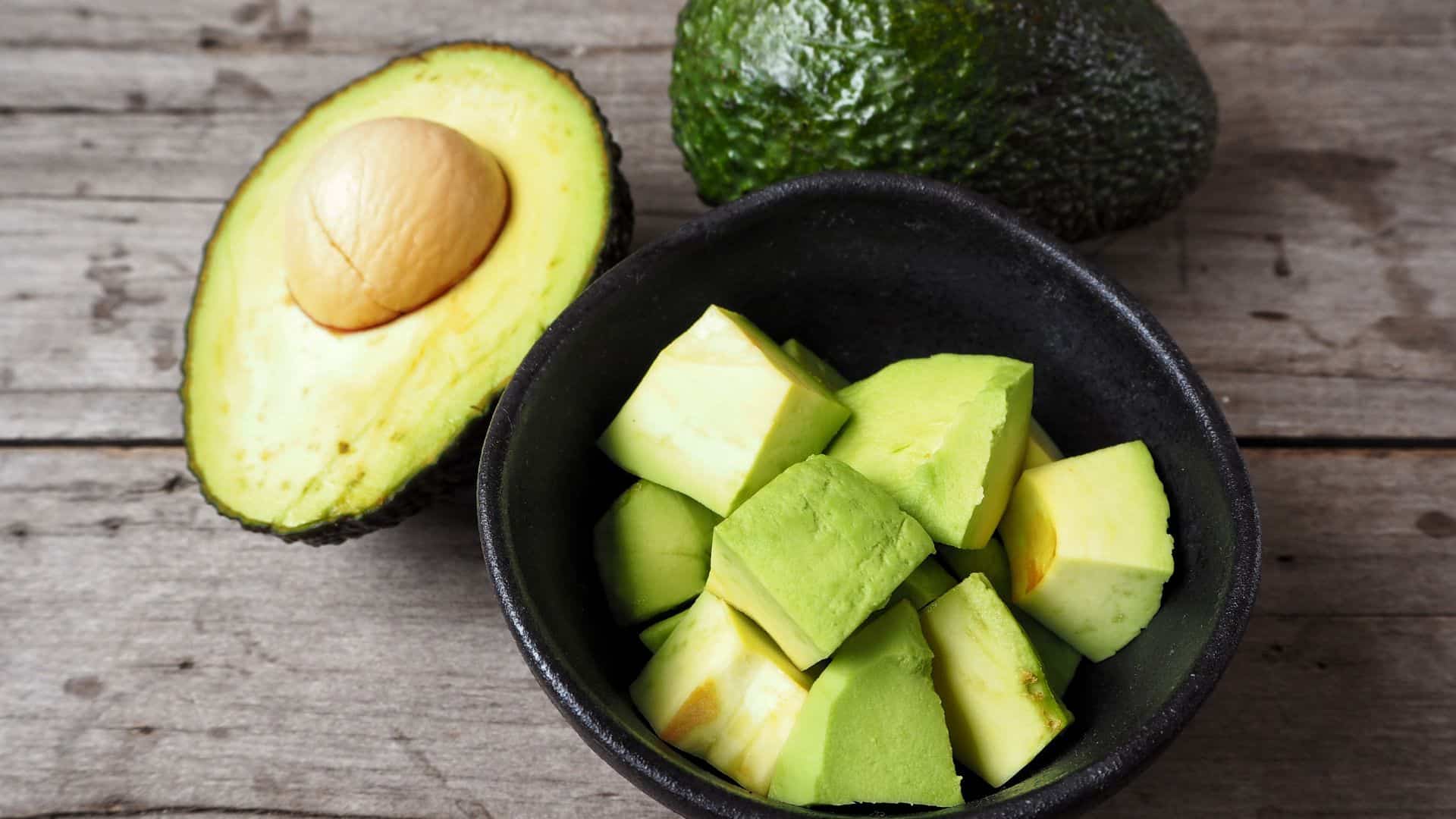
Most of us know that eating lots of trans fat isn't good, but some fats are actually good for your skin. These are anti-inflammatory and can soothe your skin from the inside. They can be found in olives, avocado, almonds, hazelnuts, or macadamia nuts.
Avocados are a natural source of healthy fats along with vitamins C and E. Both nutrients protect skin from oxidative stress and support elasticity. A clinical study published in the Journal of Cosmetic Dermatology found that eating avocado daily improved skin firmness.
Other healthy fats that are great for your skin are Omega-3 fatty acids, which you can find in wild-caught cold-water fish such as salmon and tuna.
If fish is not your favorite food, chia or flaxseed, and seaweed are also excellent sources of natural omega-3 acids.
Skip Dairy
Cheese, milk, and other dairy products are everyday staples for most of us. But in reality, almost 70% of the world's population is lactose intolerant.

Doctor Youn argues that commercial milk contains estrogen and progesterone, which are linked to acne. Experts suggest that if you have acne or inflammation, try reducing your daily dairy intake and see if you skin improves.
Antioxidants
Oxidation in the human body produces unstable chemicals called free radicals, which damage cell membranes and other cellular structures. Naturally occurring antioxidants in foods such as fruits and vegetables are great defence against free radicals in our body. Antioxidants are in the actual pigment of the fruit or vegetables.
By eating the rainbow of colorful vegetables and fruits, you are going to get a plethora of antioxidants to reduce the DNA damage to your skin.
Collagen
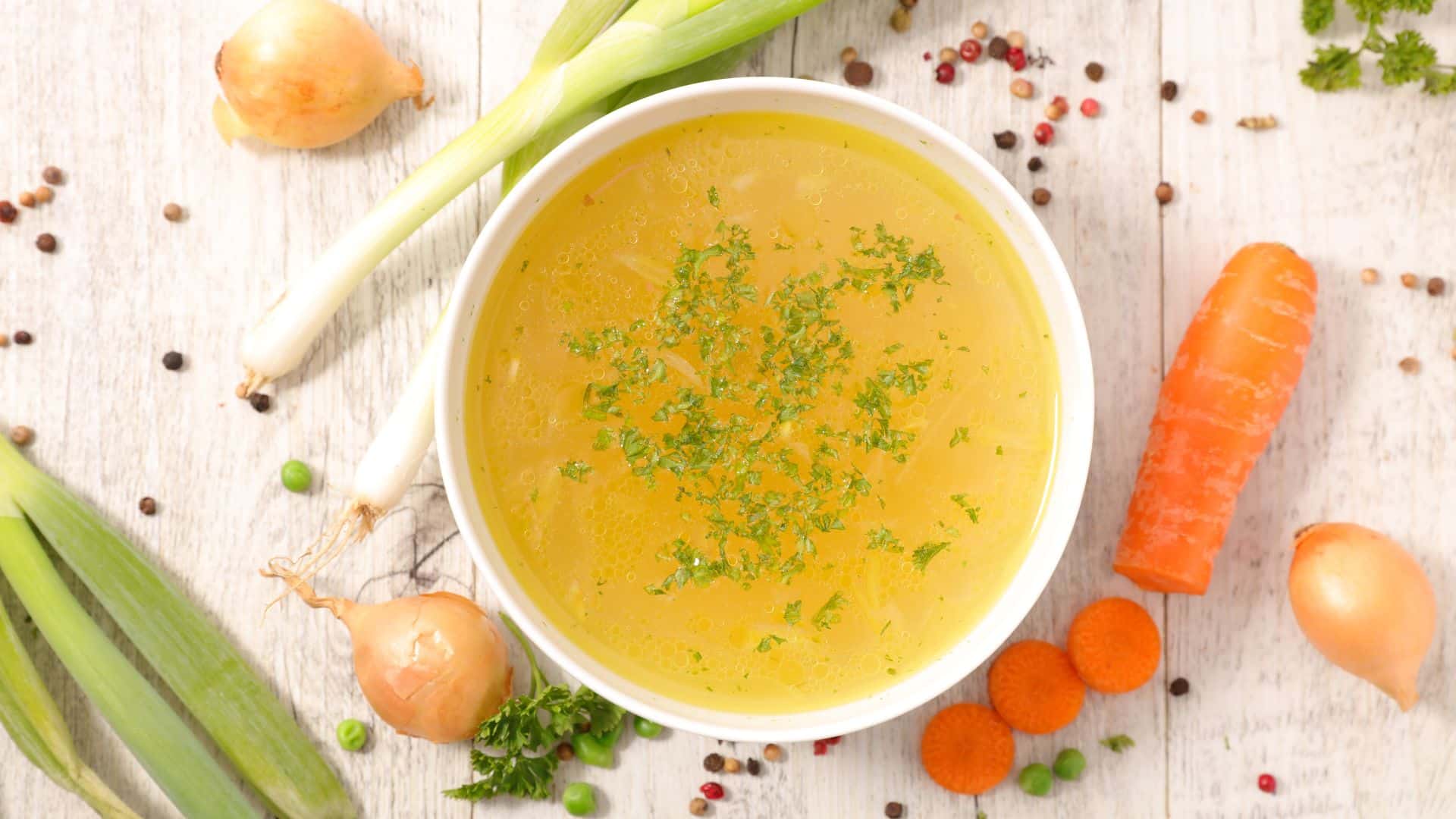
Collagen is the building block of your skin, and one reason your skin is ageing is that it's losing collagen. Collagen is also the protein that gives skin its structure, suppleness, and stretch. Foods like bone broth, eggs, and citrus are excellent sources of collagen and benefit your skin and overall health.
Eggs provide protein, vitamin A, and vitamin E, nutrients that support new cell growth and keep skin balanced. Dermatologists often note that adequate protein intake, derived from amino acids, increases collagen, which contributes to skin firmness and elasticity.
Fermented Food
Doctor Youn explains how your gut health is connected to your skin health. Fermented foods contain beneficial bacteria that support our gut health, but unfortunately, the American diet is completely devoid of them.
Eating more fermented foods, such as kimchi, miso, kombucha, or tempeh, can help support healthy gut bacteria.
Reduce sugar intake
Sugary foods are really bad for your skin. Sugar can cause premature skin aging. A large amount of sugar can also create sugar spikes in your blood that can lead to insulin spikes that can cause chronic inflammation.

Skip sugary soda and switch to kombucha or green tea. Replacing sugary snacks like candy with colorful fresh fruit, vegetables, or nuts is also a great way to control your sugar intake.
Pumpkin seeds are another great option. They contain natural sources of zinc, a mineral that supports skin healing and helps regulate oil production. Zinc is also known as an effective ingredient for treating inflammatory and bacterial acne.
Intermediate fasting
On top of these dietary recommendations, Doctor Youn recommends intermediate fasting. Intermittent fasting works by prolonging the period during which your body continues to burn the calories from your last meal and begins burning fat.
There are several ways to do it, but it's best to check with your doctor before starting intermittent fasting. You can pick a daily approach, which limits daily eating to one six- to eight-hour period. For example, you may choose to try 16/8 fasting: eating for eight hours and fasting for 16.
Healthy, youthful skin starts with what’s on your plate. By choosing foods rich in antioxidants, healthy fats, collagen, and probiotics—and cutting back on sugar and dairy—you’re giving your skin the nutrients it needs to stay firm, hydrated, and glowing. Your diet can be just as powerful as any skincare routine. Making small, mindful changes to how and what you eat can genuinely transform your skin.
Leave a Reply