
If you have ever stood at a self-checkout machine, fumbling to find the product’s code for carrots, while the screen keeps flashing “please place the item in the bagging area”, it makes you frustrated. Of course, we all have been there, using self-checkout to avoid the long queue, but it turns out to be painfully slow at times. A Reddit thread has sparked debate about whether these self-checkouts are worth the hassle.
The Story
The original Reddit post argued that self-checkout isn’t actually the time-saver it is supposed to be.
“I do not know who decided that self-checkout was the fast option but I am convinced it is a mass delusion. In most cases self-checkout only feels quicker because you are doing the work yourself, so you notice the time less. It is like washing your own car instead of watching someone else do it. You are still waiting, you are just distracted.”
Many people can relate to this frustration. Instead of letting the cashier scan groceries in seconds while you relax, you have to do it yourself at self-checkouts, but they often turn out to be slower, wasting a significant amount of time.
What People Are Saying
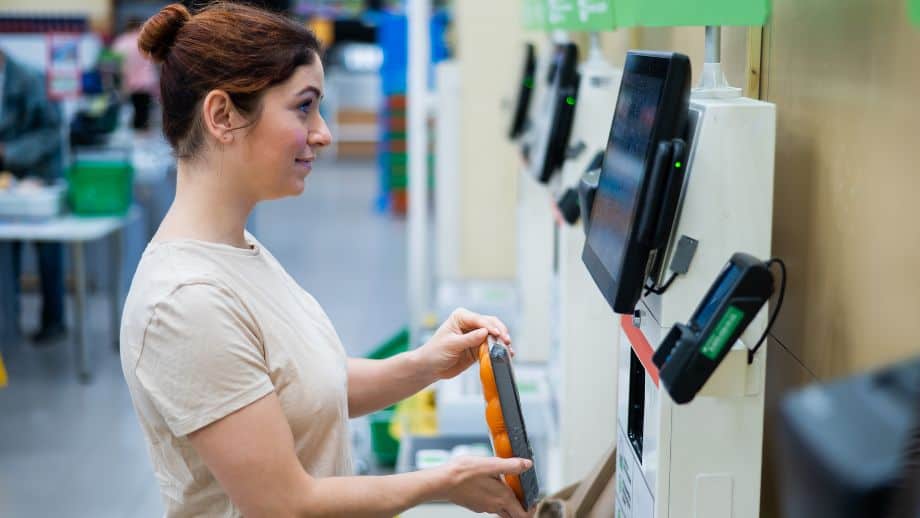
As always, Reddit’s comment section delivered some brutally honest takes.
“It’s waaaay faster for me. And I bag groceries better than pretty much any cashier I’ve encountered. Cold stuff altogether. Using the fewest number of bags possible. Nothing crushed or smushed.”
Then here is someone doing the math: “The advantage of self checkout is that they can have 10 "lanes" in the same amount of space that just 1 or 2 cashier lanes would take up. Individually, you're right, it is slower. But on the whole, it is faster.”
“Self-Checkout is only slower for people who don't understand how to use self-checkout. If you've got a higher IQ than a shoelace, you're fine.”
Someone had an insider view on the subject: “Self-checkout was never meant to be faster. It was meant to cut down on labor costs. I know this, because I used to work as a senior financial analyst to the VP of a local grocery store chain. They packaged it up and marketed it as quicker, but the leading reason they were implemented was to cut down on labor costs. ”
While some people view self-checkout as convenient for quick trips with just a few items, others find it painfully slow. Some Redditors noted that customers should learn how to scan the products properly to reduce time.
Slow checkouts are not really a concern for many, one Redditor said: “I don't want it to be faster. I want to not interact with other humans.”
Another introvert user said, “I don’t care if it’s slower, I enjoy not having to interact with someone scanning my stuff for me most of the time.”
We understand that there are days when you don’t feel like making small talk with a cashier. Other days, you want to leave your earbuds in, keep your head down, and be out the door as quietly as possible. So, fast or not, it doesn’t matter to them.
A Quick Look Back: How Self-Checkout Started
Not many people are aware of this, but self-checkout machines have been around for decades. The first self-checkout machine was installed in a Kroger store in Atlanta in 1986 and was designed by a company called CheckRobot. The idea was simple: let customers do the scanning themselves, reduce labor costs, and ideally, speed up the process.
Of course, the machines were not as user-friendly as they are today. The early versions of self-checkouts were dated and complicated to use. Over time, the design and technology have improved, touchscreens have replaced clunky buttons, and scanning items has become much easier.
The Future of Self-Checkouts
Despite the complaints, self-checkout isn’t going anywhere. A recent report noted that 73% of shoppers prefer self-checkout, and 79.3% use self-checkout regularly. The report also projected that the market for self-checkout technology in North America will more than double during the next five years, reaching $5.43 billion in 2030, up from an estimated $2.63 billion in 2025.
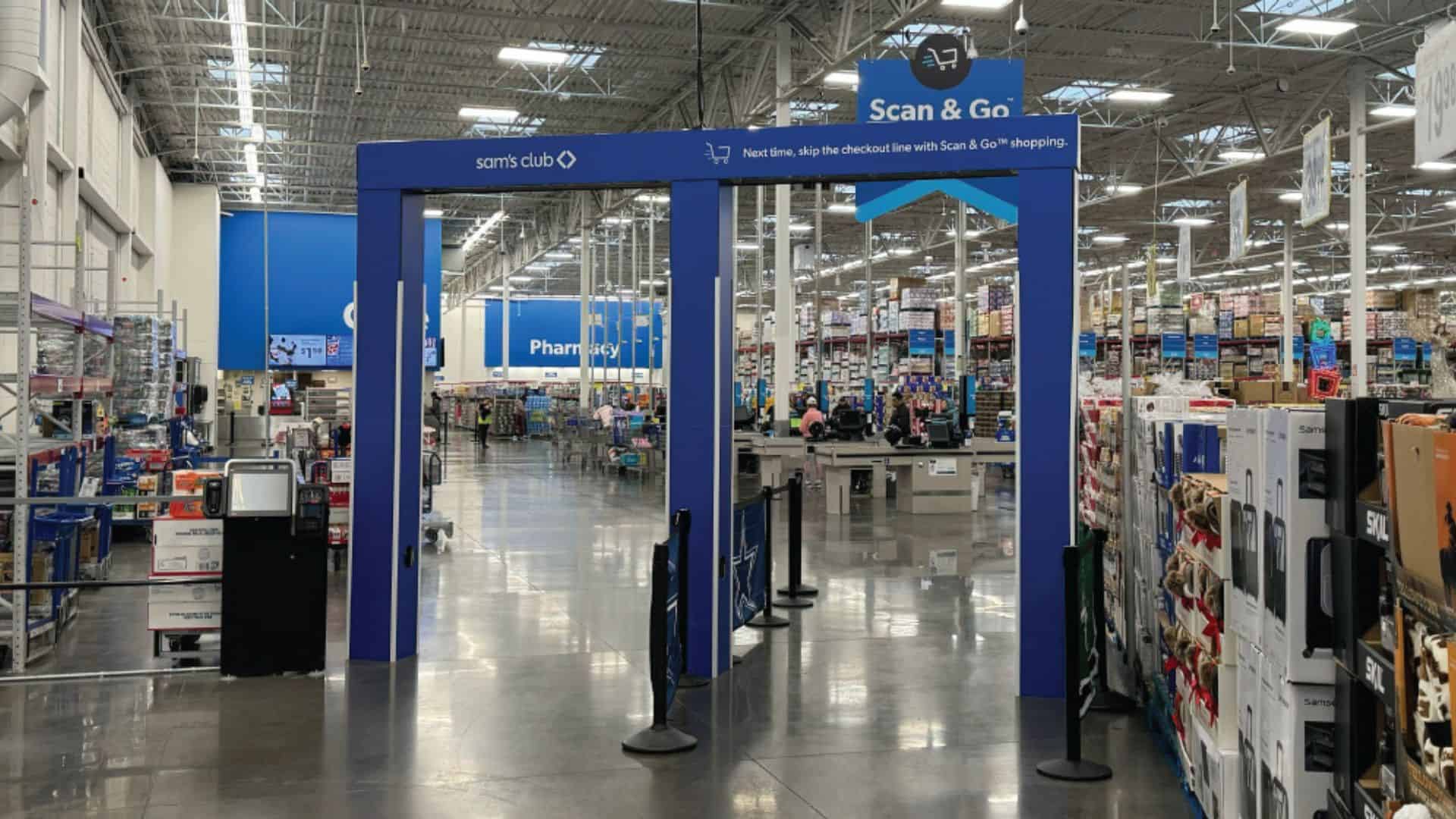
There are other variations of self-checkout in place, such as mobile app-based checkouts. Sam’s Club, a Walmart-owned warehouse club retailer, has introduced Scan & Go checkout at all of its locations in the United States.
This technology also uses sensors and AI to verify that customers have scanned all the items using the app.
But, fast or not, not everyone is thrilled about this massive change that is shaping how customers shop in markets. Some U.S. states, such as Texas and Rhode Island, as well as the city of Long Beach, California, are already creating laws due to increased theft. They include banning grocery stores from having more than six self-service checkouts, issuing fines to those who steal, and deploying more employees to monitor these kiosks.
Clearly, not everyone is convinced this is the future of shopping. While some customers are excited about using them, others are bothered by the way these machines operate. And with new laws and technology, we may be heading toward a checkout experience that looks very different from the one we know today.
Leave a Reply