
Vegetables are not every kid’s favorite, and many parents learn this the hard way. You put broccoli, carrots, or peas on the plate, and your child stares at them like they’ve just seen something strange. Suddenly, veggies become the enemy, dinner turns into drama, and you’re left wondering if your kid could actually live on chicken nuggets alone.
Some parents give up and let their children eat whatever they want, while others look for help online. One mom asked on Reddit: “What are creative ways to get your child to eat vegetables?” She wasn’t the only one struggling. Dozens of parents shared clever tricks they’ve used to sneak vegetables into meals or make them more fun, proving there are plenty of ways to turn picky eaters into veggie fans.
Involve Them in Meal Planning

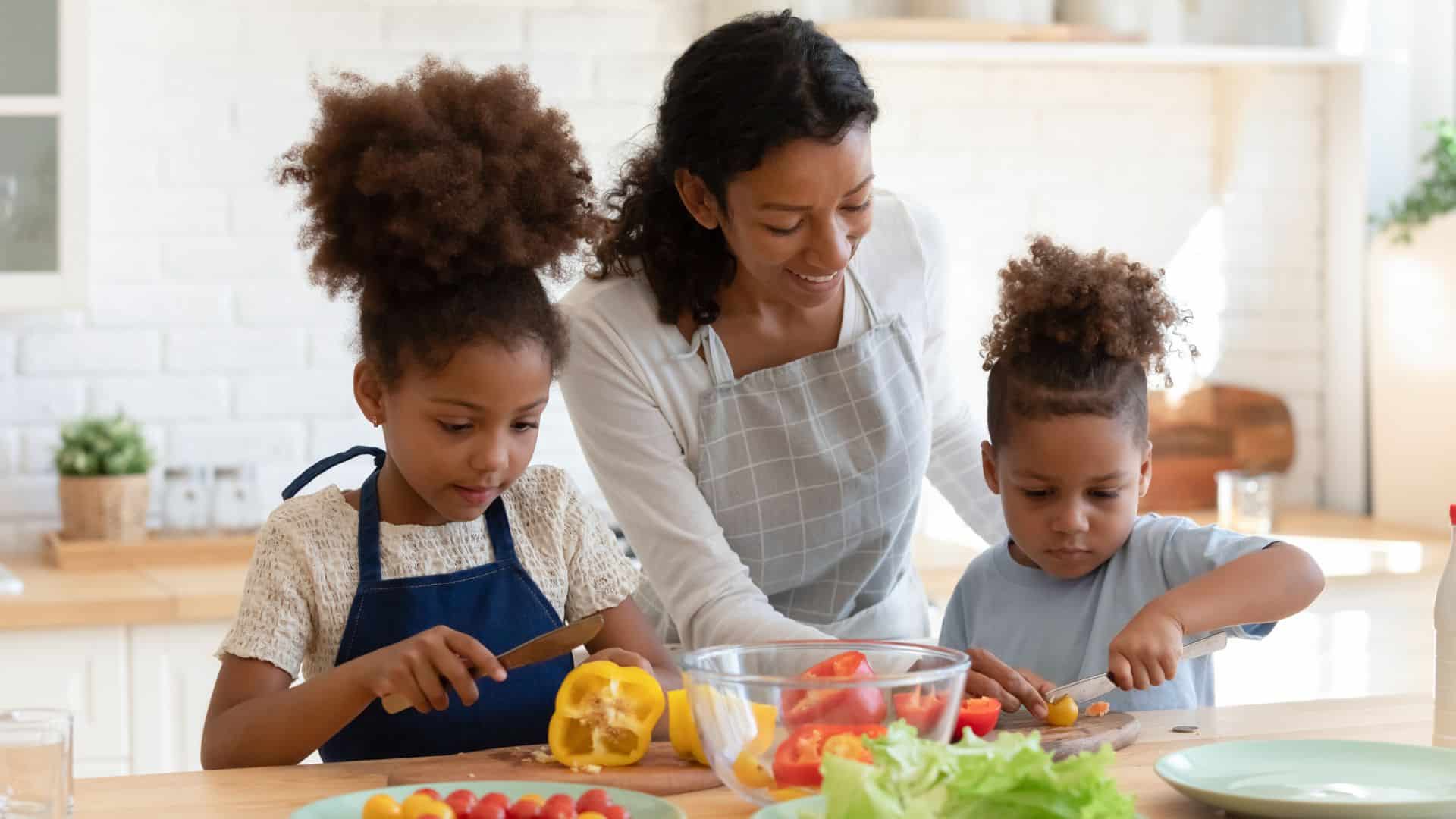
Many Redditors said that one way to get kids to like vegetables is to involve them in meal planning and shopping.
“Take them shopping, involve them in meal planning, get them growing stuff to spark conversation. Take them to where other kids are eating a variety of foods.”
Another redditer commented they try to approach it in a cute kid-friendly way: “For example, this week we're going to pick purple veggies and make them as yummy as we can. Let's see how many purple vegetables we can find!"
Let kids explore and get involved, rather than just being handed a plate. Take them along to the grocery store and let them pick out vegetables that catch their eye, even something unusual like purple carrots or striped squash.
Give them a voice in choosing recipes or deciding what goes on the dinner menu for the week. You can also start a small garden, even if it’s just a pot of cherry tomatoes on the balcony, so they can see how food grows. When children participate in these small projects, they feel proud of their choices, and that pride often turns into curiosity.
Keep It Consistent

"Don’t treat veggies as something terrible to be avoided. Offer them up at every meal, try every single way you can think of presenting them, and add no commentary, don’t wheedle. Fresh, pickled, boiled, mashed, roasted, curried, stir-fried…."
Another innovative approach is to keep vegetables consistent by serving them at every meal without making a big deal about it. Simply, put them into the menu in various forms, such as roasted, mashed, stir-fried, or even pickled.
Kids may not even realize how many meals include vegetables, and over time, they’ll naturally accept them as part of the plate. Offering a wide variety also helps children discover which ones they actually enjoy, because just like adults, not every kid will like every vegetable prepared the same way.
Let Them Explore
"Honestly, just putting some on the plate and letting them try without pushing works best. That said, honey mustard glaze works wonders for broccoli or asparagus."
Sometimes the simplest methods really do work best. As one parent pointed out, there’s no need to push or turn it into a battle. Kids are quick to resist anything they feel forced to do, and food is no exception.
Instead, just set out some vegetables on a plate before dinner or when they come home from school, and let them decide for themselves. You might be surprised how often they’ll grab a piece and try it when it doesn’t feel mandatory.
Make Vegetables Magical
"Tell them that the food contains energy that meat doesn’t have. If it’s fresh, tell them the energy is stronger because it’s fresh. None of this lying, and kids enjoy understanding that food is special. Carrots help night vision, dark leafy greens create strong teeth and bones, garlic wards off sickness, etc."
Kids love stories and a bit of mystery, so why not turn vegetables into something exciting? As one mom explained, there’s no need to lie; present the facts in a kid-friendly way.
Tell them carrots help with vision, leafy greens make their bones stronger, or garlic helps keep sickness away. Framing it as fun and playful rather than a rule makes children more curious, and instead of feeling forced, they’ll start to see the real benefits of eating vegetables.
Sneak Them into Everyday Meals
“I would definitely start “sneaking” veggies into other foods, not because you want to trick your kid, just because it tastes really good, it’s an easy way to increase nutrition for everyone, and it’s an economical way to stretch more expensive ingredients and also to reduce waste. So that’s the first thing. I now always have a bunch of veggies shredded or minced in meatballs, my red sauce for pasta is like half other veggies that get blended up, no vegetable is thrown away, they are all used up in some way, etc.”
Hiding vegetables inside family favorites like pancakes, mashed potatoes, or pasta is a practical way to boost nutrition without forcing them to eat. Parents also point out that this method isn’t just for picky eaters; it’s also cost-effective and helps cut food waste, making it a win for the whole household.
Try Raw and Don’t Overcook

“Try raw. My kids would eat a whole veggie tray, but won't touch cooked carrots. Make sure you're not overcooking them too. Nobody likes army green broccoli. Try canned or frozen, if they won't eat the opposite.”
This may surprise you, but some kids don’t like vegetables because of how they are served. Some kids love crisp raw carrots but won’t touch them cooked, while others might prefer soft vegetables over crunchy ones. The trick is to experiment and avoid overcooking, since mushy or bland veggies are a turn-off for most children (and adults).
Lead by Example
“Don't lie about what they are, for one. Just eat them yourself and continue to offer them to the kids. Ask them to try a small bite, and if they don't like it, they don't like it. They really will get it eventually.”
Kids notice what their parents eat. The most effective way to encourage them is to eat vegetables yourself and keep offering them consistently. When children see veggies as a regular part of family meals, they’re more likely to come around eventually.
The Takeaway
There’s no single magic trick that will make every child love vegetables. But as you can see, parents have found many creative ways to approach the challenge. Some ideas may work better than others, and every child is different, but with patience and a bit of experimentation, kids can learn to enjoy vegetables in their own way.
Leave a Reply