
People who grew up before the 2000s remember doing things that are no longer common today. Rewinding a cassette with a pencil, writing in cursive, and memorizing phone numbers were once everyday skills. However, with the rise of smartphones, automation, and touchscreens, many of these basic habits have faded away. A recent online thread invited people born before 2000 to share the skills that people may rarely use today.
The story
Someone asked on Reddit, “People born before 2000, what trivial skill do you have that no one uses anymore?” People shared skills they hadn’t thought about in years. Some were about school and home life, others about old ways of doing things that nobody even thinks about anymore. They remembered how they made do with the simple things they had at that time, before technology took over.
The reactions
Students in the ’80s and ’90s didn’t buy fancy plastic covers for their textbooks. They used what they had: paper grocery bags. One person said, “I can make a book cover out of a brown paper bag to protect a textbook.”
Back in those times, every kid learned to read their textbook. They’d fold and tape until it fit perfectly, sometimes writing their name across the front. Once schools moved to digital materials, that habit disappeared completely.
Someone else mentioned an old computer fix that almost everyone from the 90s can relate to: “Cleaning mouse balls when the mouse gets slow and sticky.”
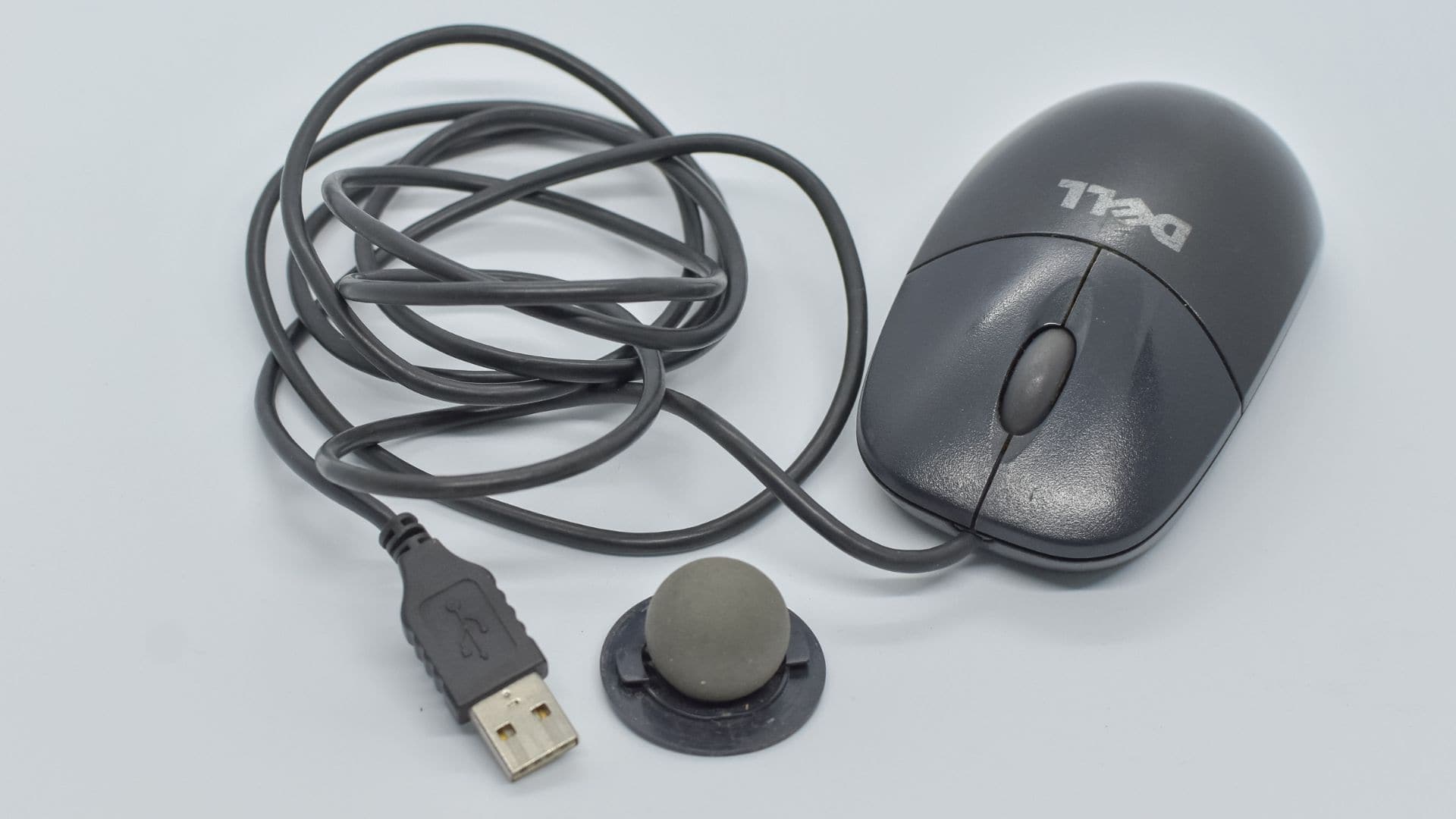
Older computer mice had rubber balls inside that picked up dust. When the pointer started lagging, they’d open the mouse and wipe off the rollers. Now, with the advancement of technology, computer mice come with a sensor that helps in moving the cursor.
Another user remembered fixing the family TV in a way that sounds almost funny now. They shared, “TV slappin. Percussive troubleshooting in general.” Someone else added, “Don’t forget TV antenna balancing.”
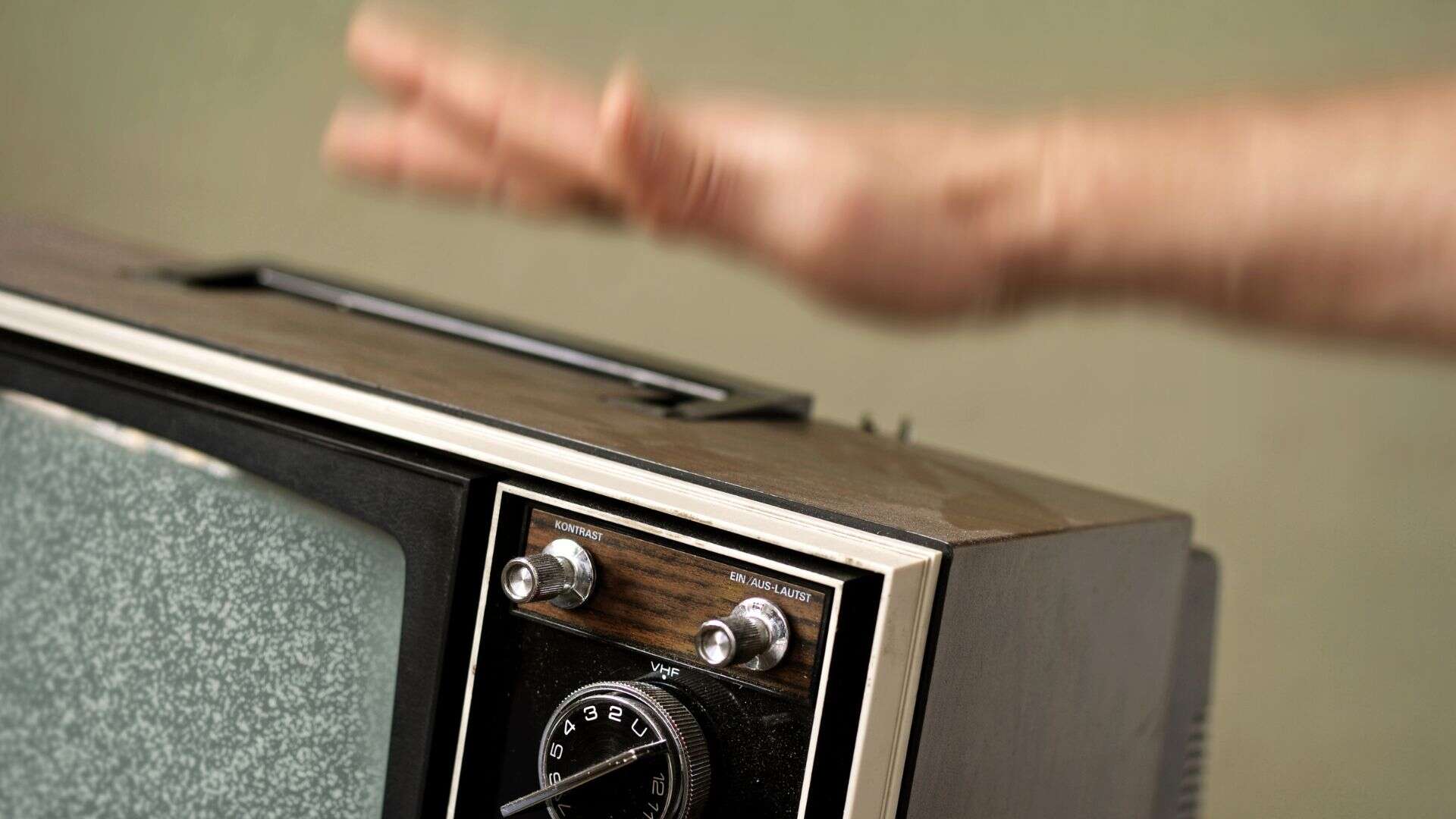
Back then, when the picture went fuzzy, people would hit the side of the TV or adjust the antenna to make it work. Every family had that one person who claimed to know “the hack.” Today, if a screen glitches, there’s nothing you can do but restart or replace it.
Once, a person said, “Searching a phonebook.” Phonebooks were once in every house, usually next to the landline. If you wanted to call a business or a friend, that’s where you looked. For some, it was a trivial skill that smartphones have now replaced.
Someone else mentioned a skill that many don’t even remember now. “I know how to dial a rotary phone. Bonus: I know what a rotary phone is.”
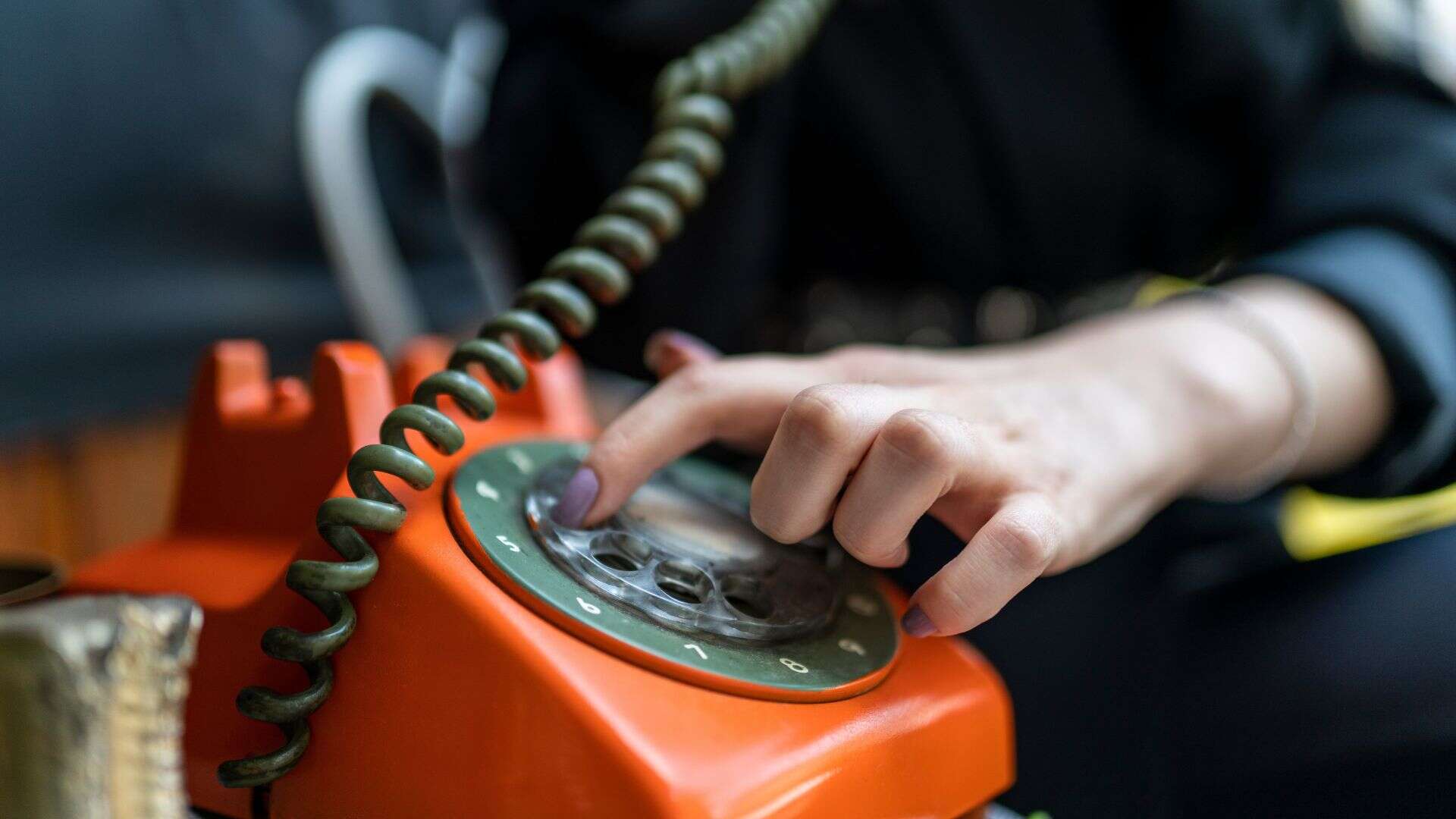
You had to turn the dial for each number and wait for it to spin back before dialing the next. It was a slow process, but that was just how phones worked back then. If you made a mistake, you started from the beginning. These phones are mostly decorative now, but older people still remember the feeling of the dial clicking in those times.
Another user mentioned a skill that still feels useful, even if hardly anyone does it anymore: “Reading a map. I mean, like knowing what direction something is and how to get there without an app telling me, kind of like reading a map.”

Before GPS, people kept paper maps in their glove compartments. They figured out routes on their own, marked roads with pens, and paid attention to signs. There are plenty of navigation apps now that make traveling easier, but some people still prefer reading real maps.
Before technology or advanced appliances, people relied on basic kitchen skills at home that may not have been trivial back then, but are considered trivial today. One of them was making butter by hand. One person shared,
“I know how to make butter at home by hand from cow’s milk.” It was not unusual to make butter at home in the 80s and 90s, especially in rural areas. Now it’s something you only see in cooking classes or online videos.
“Rewind a cassette tape with a pencil”, said many people. We all can relate to it now. If the tape unspooled, everyone knew exactly what to do. They’d stick a pencil inside and twist it until the tape rewinds into place. Now, people rely on streaming apps, and cassettes can only be found in antique stores.
Another person mentioned cursive writing, something schools barely teach anymore. They said, “I can write in cursive. And I can read old letters and documents written in cursive.”
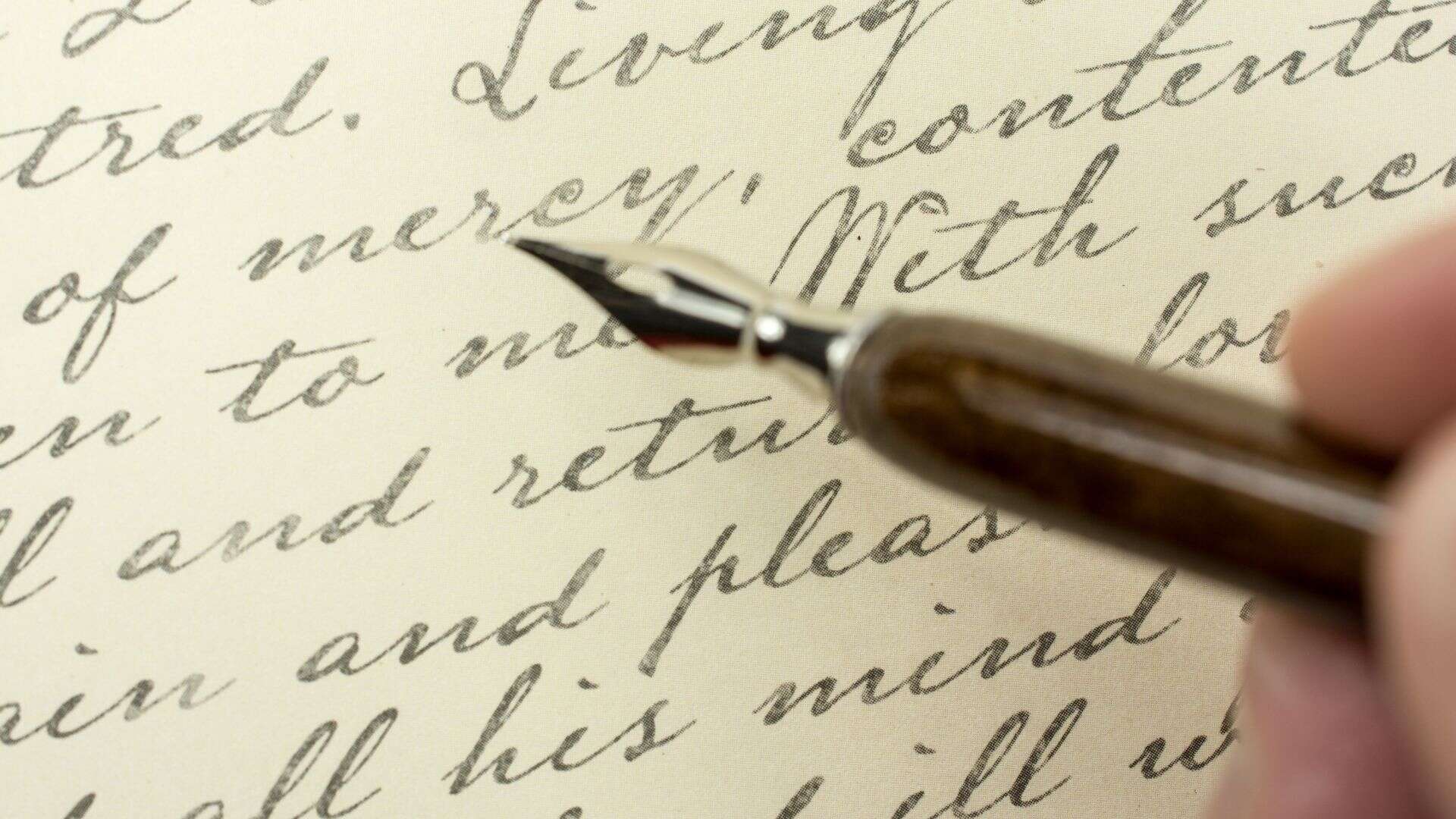
Back then, teachers made you fill pages with loops and letters until your handwriting looked clean. Most schools don’t teach it now due to increased emphasis on keyboarding and the use of technology in the classroom. However, if you want to learn it, you can find cursive writing handbooks online.
You cannot talk about old skills without mentioning this, as one person said, “I would burn CDs for our car all the time.”
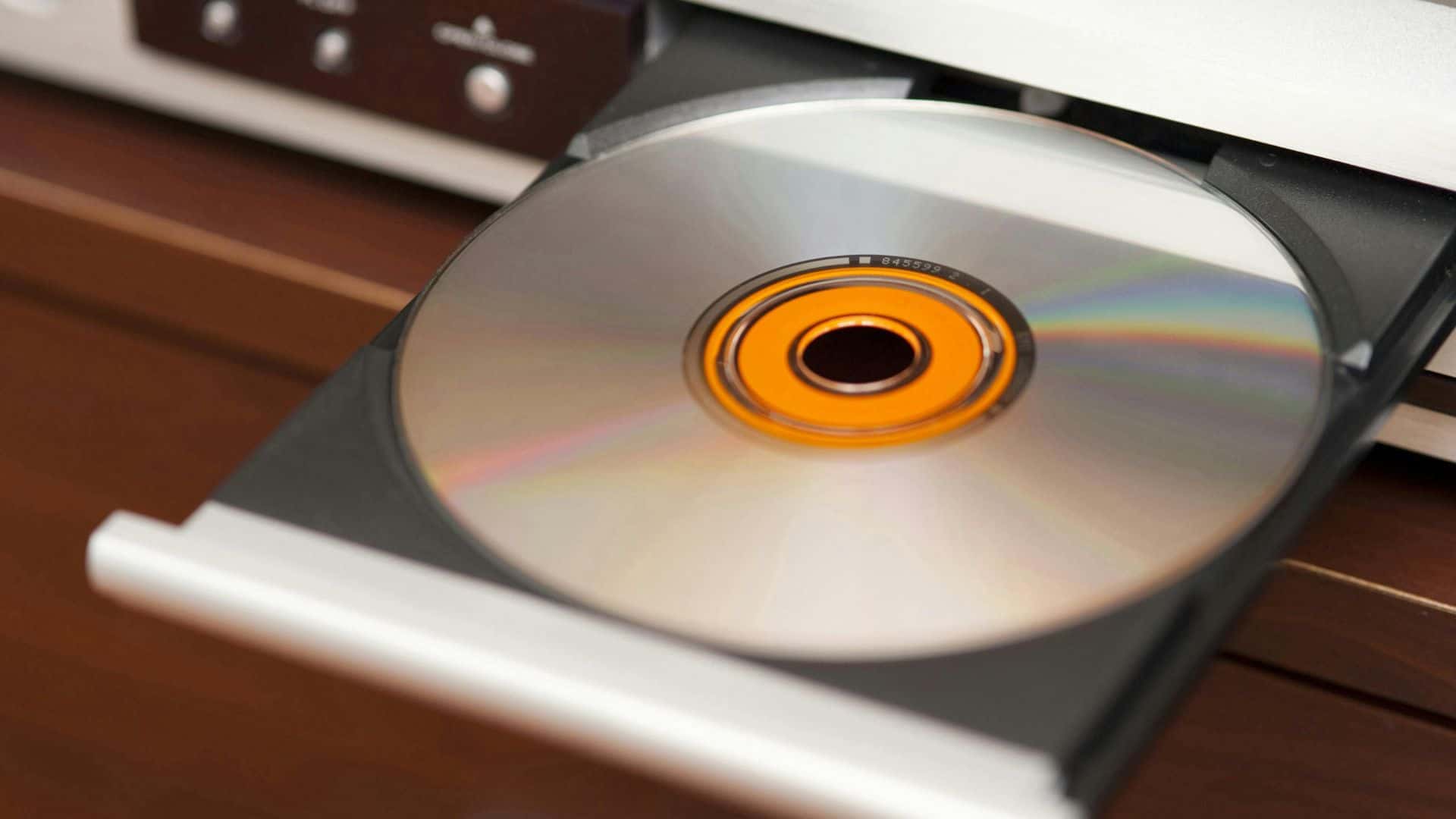
There were no Spotify or other music apps in the 90s. People would pick their songs, videos, and pictures, and copy them to a CD, a process also known as burning. CDs are rarely used anymore, and even the music systems these days often come without the disc space.
Someone else said they still remember phone numbers without needing to look them up, “I still memorize people’s phone numbers. It does come in handy, occasionally.” Before smartphones, everyone memorized a handful of important numbers, family, friends, and work. Now, phones do all the remembering for us.
One comment listed several old skills, most of which are rarely used today. “Calligraphy. Mental math includes addition, subtraction, multiplication, factoring, solving for zeroes, calculus, and some differential equations. Counting in binary on your fingers. Percentages. Folding maps. Driving a manual transmission.”
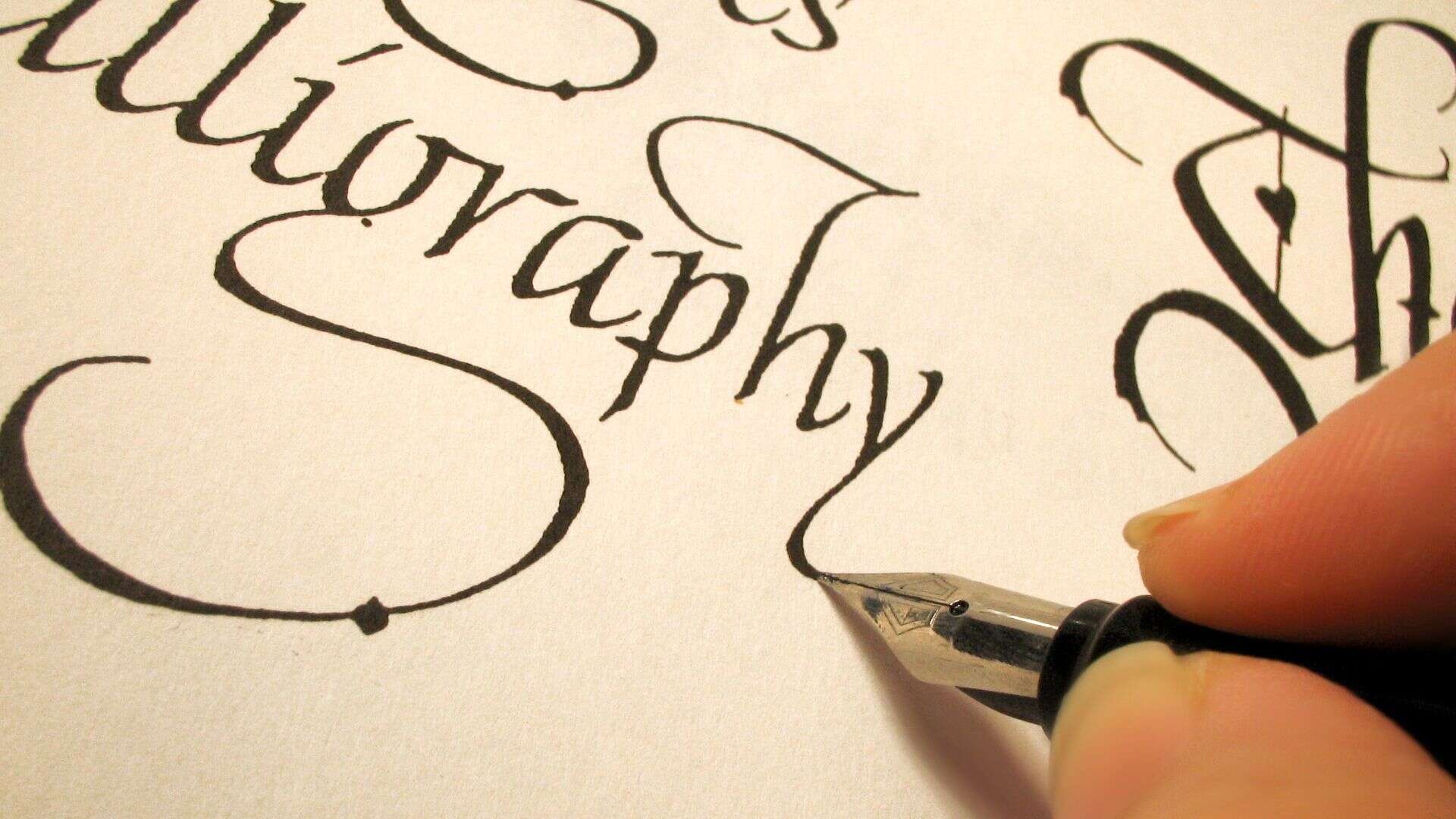
These were the skills people learned at school or at home. Calligraphy was not rare, driving manual cars was quite common, and people did maths without using calculators. Technology and automation have replaced all of these skills. There are still manual cars driven around, but most people now rely on automatic drives.
Another user mentioned two simple skills that almost every adult used to know: “I can address an envelope and balance a checkbook.”
Before online payments and automatic transfers, people did both by hand. They had to write the address correctly, buy stamps, and track spending with a pen and paper. It took a little time, but it kept you aware of your money. Online banking is easier, but it also makes it easier to lose track.
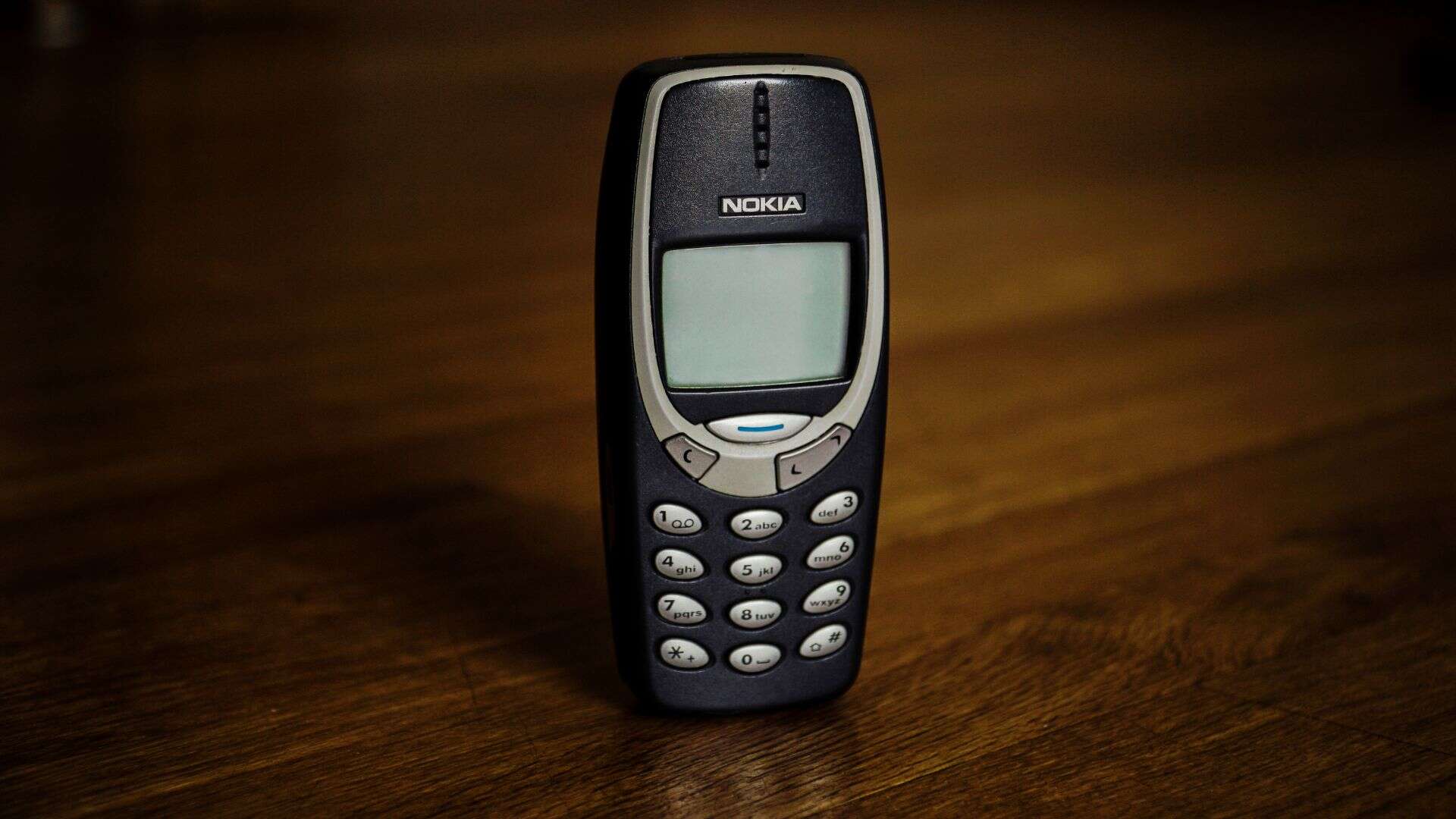
Someone else remembered when texting wasn’t as easy as tapping a screen. They mentioned, “I can T9 text on a Nokia brick phone without looking down.” Early phones required pressing number keys several times for each letter. People got so good at it that they could write whole messages without glancing once. It’s a level of precision that doesn’t exist with touchscreens. T9 is long gone, but it’s still remembered as one of those strange but satisfying abilities that defined an era.
One person showed concern about how critical thinking has gone. They said, “Critical thinking. I’m Gen X and lived through an explosion of technology and continued to learn along the way. I have kids now, and it bothers me how reliant they are on finding the quick answer to everything without taking the time to work through things.”
Growing up before the internet meant you had to work things out yourself. Now, everything’s a quick search away, and younger generations may never know what it’s like to struggle for an answer or solve a problem by critical thinking.
The takeaway
Technology made life easier, but it also replaced a lot of skills, even trivial ones, that people used to have. Remembering phone numbers, fixing a mouse, or reading a paper map were considered normal back then.
Nobody wants to give up modern convenience, but life before 2000 really was different. People did more by hand, paid more attention, and didn’t need an app for every little thing.
Leave a Reply