
Every person has heard a few “rules” that sound like kitchen gospel. They’re repeated so often that nobody gives them a second thought or asks if they’re actually true. An online thread recently discussed those myths, asking people to share the old cooking tales they grew up believing that turned out to be completely false.
The story
A person shared on Reddit that they were raised on a list of kitchen “rules” that turned out to be nothing but lies. They mentioned some of those myths, like searing meat to “seal in juices,” adding oil to pasta water to prevent sticking, and salting water to make it boil faster. They also brought up the myth that alcohol burns off completely when cooking, which isn’t true.
The post quickly filled with thousands of replies from people who’d heard the same stories growing up. Many shared what they believed for years, and others added corrections they learned the hard way.
The reactions
Someone wrote, “The lore that says if you remove the cover to check on the contents of a crockpot, it will take a half-hour to come back up to temp. That's not how thermal masses work.” Another replied, “I’m thinking that was to keep nosey people out of the kitchen.”
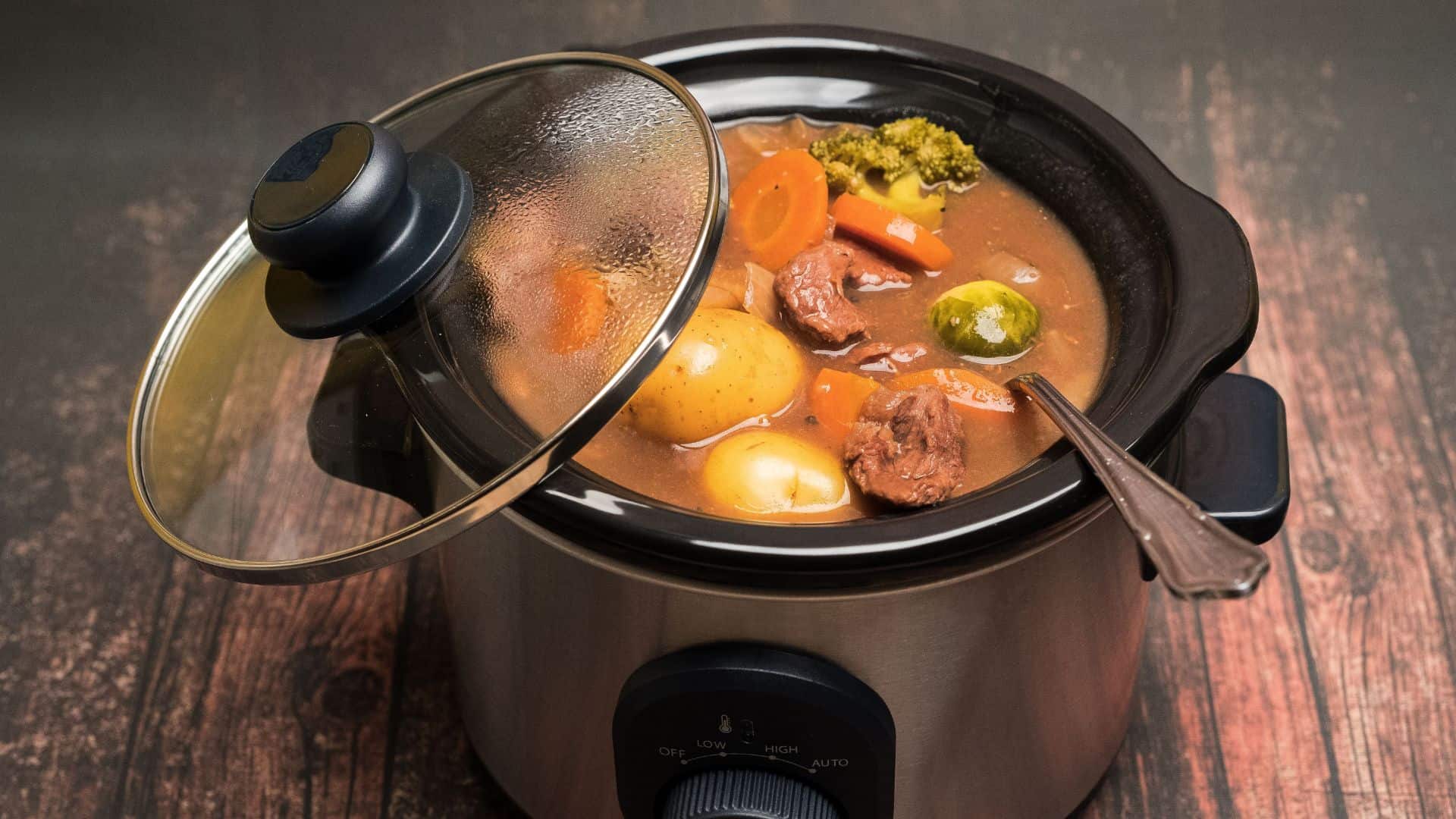
Lifting the lid on a slow cooker won’t ruin your meal; it may drop the temperature slightly, but that will recover within minutes. The real issue is constant checking, which may actually slow down the process. If you’re curious, use a glass-lid slow cooker so you can see what’s happening without touching it.
Another Redditor said, “No noise of any sort in the house while mum is baking. Banging doors and running around inside make the cakes not rise. Therefore, kicked outside to run around. Just an excuse for mum to enjoy her wine.” Someone else added, “My nana would always tell me and my cousins to be quiet while a cake was baking or else it would fall. Tbh I still don’t know if that’s true or not.”

As a baker, I laughed at this one. The only thing to watch out for is opening the door too soon before it’s set. And honestly, wanting a quiet kitchen while you bake just makes sense.
Another person wrote about the boiled eggs myth, “That vinegar makes boiled eggs easier to peel.”
It doesn’t, at least not reliably. The only hack that many people use, and it works, is to cool them quickly by putting them in ice water after boiling. They peel off nicely. The temperature change makes the shell loosen from the white. Also, worth noting that slightly older eggs (7–10 days) peel far better than fresh ones.
Many people shared the famous mushroom myth. One said, “Don't wash dirt off mushrooms; you must keep them dry.” Another user added what they heard: “Mushrooms can’t be washed because they absorb water and won’t brown.”
You can absolutely wash mushrooms. A quick rinse won’t ruin them. They don’t absorb enough water to make a difference, especially if you dry them right after. Washing will not affect browning, but crowding the mushrooms will. If you want to saute mushrooms to a perfect brown color, make sure to use high heat and a pan with enough space.
The right way to clean mushrooms:
- Rinse quickly under cold running water.
- Pat dry right away with a paper towel.
- Avoid soaking them in a bowl of water — that’s when they could take in more moisture.

One user said, “Cold water will boil faster. My dad still believes this one.”
Hot water is closer to boiling, so it heats faster. The confusion probably came from a real but unrelated phenomenon called the Mpemba effect, where hot liquids, including water, can freeze faster than cold ones. For cooking, though, warm tap water will always reach a boil sooner.
Someone else added the most heard cucumber myth, “My Mom had me cut the ends off the cucumbers and rub them on the ends in a circular motion. Reduces belching. Really, Mom??”
Rubbing them together releases a bit of that sap, which can make the taste milder, but it won’t change digestion. Still, many people keep the habit because it’s what their parents did, and it doesn’t hurt anything. The only way to stop bitterness in cucumbers is by planting them correctly.
Another person said, “That scrambled eggs need milk. No, they don’t. The best scrambled eggs are just eggs.”

Milk waters down the flavor and makes eggs rubbery. The secret is to use low heat, stir gently, and pull them off the stove while they’re still glossy, as Martha Stewart explains. If you want them creamy, you can add a small knob of butter or a splash of cream right before taking them off.
One commenter wrote, “Adding toothpicks to oil when pan frying will prevent the oil from burning. This is not true. It can be a good indicator of when the oil is hot because you see bubbles around the toothpick, but it does not magically regulate the temperature of the oil to prevent it from burning food.”
The bubbles you see come from the wood releasing moisture, indicating that the oil is hot enough; however, it doesn’t prevent overheating. The best way to manage oil temperature is with a thermometer or by testing a small piece of food first.
We cannot add myths without mentioning the one about stopping onion tears. One Redditor shared what they heard: “Hang onions on your ears to stop your eyes from watering.”

Cutting onions releases sulfur gases that irritate your eyes. The only way to avoid tears is to chill the onion in the refrigerator or freezer for a few minutes first, then use a sharp knife to slice it.
Someone else told the funniest myth they’ve heard, “Always stir in the same direction’ was something my grandmother told my mother, and she sort of superstitiously still believes.”
There’s no real rule about which way you stir. What matters is that you follow the recipe and keep the spatula moving so ingredients don’t stick to the pan. Specific recipes, like risotto, custard, or polenta, need steady stirring to get the right texture, but the direction doesn’t make any difference at all.
The takeaway
Most of the cooking rules have been passed down from generations, back in those times when there was no reasoning to prove it wrong. However, cooking techniques have changed now.
In the end, a little curiosity makes you a better cook than any myth ever could. Try the things you were told not to, test what you’ve heard, and if something still works for you, keep doing it. Half the joy of cooking is finding your own truth in the kitchen, even if it means washing your mushrooms and talking while the cake bakes.
Leave a Reply