
Coffee is one of the easiest items to store incorrectly, without even realizing it. Bags are often left open on counters, and grounds are tucked into refrigerators beside leftovers without realizing the harm they cause. These habits are widespread, and they work against coffee’s chemistry. Flavor loss begins the moment coffee is roasted, and poor storage accelerates it.
Understanding where coffee actually belongs requires separating convenience from preservation. Temperature, light, air, and moisture all affect how quickly coffee goes stale. The best storage choice depends less on tradition and more on how often the coffee is used and whether it is whole bean or ground.
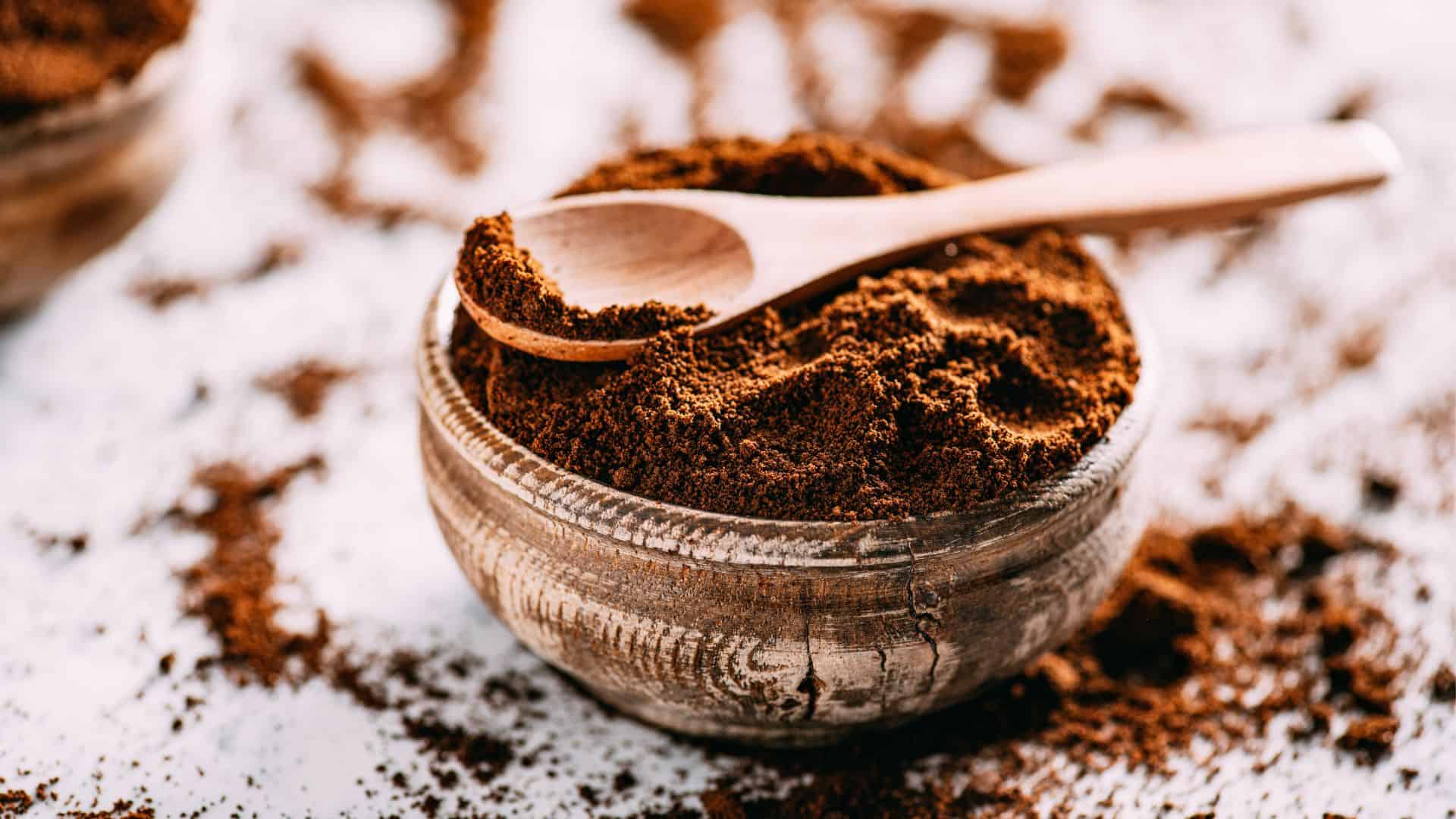
Where coffee loses flavor fastest
Coffee flavor comes from aromatic compounds formed during roasting, which begin to break down as soon as they are exposed to air, light, heat, or moisture. Oxygen triggers oxidation, which dulls aroma and taste. Light degrades the natural oils that carry flavor. Heat accelerates these reactions, and moisture increases the risk of condensation and the absorption of unwanted odors.
Once these factors are present, even high-quality beans degrade quickly. This is why freshly roasted coffee can taste flat within weeks if stored improperly, even if the expiration date is months away.
When coffee pantry storage works, and when it fails
For most, the pantry is the correct place to store coffee, but only under certain conditions. A pantry works when it is cool, dark, dry, and away from heat sources such as ovens or dishwashers.
Coffee stored in a pantry should remain in its original packaging if that packaging includes a one-way valve and an airtight seal. These bags are designed to limit oxygen exposure. Transferring coffee into jars often increases air exposure, even when the container appears sealed.
Pantry storage is best for coffee used within two to four weeks of opening. Beyond that window, flavor loss becomes noticeable.
When it makes sense to store coffee in the freezer
Freezing coffee can preserve freshness, but only when done correctly. The freezer is good choice for long-term storage of unopened coffee or for large quantities that will not be used for weeks or months. It is not needed for daily use.
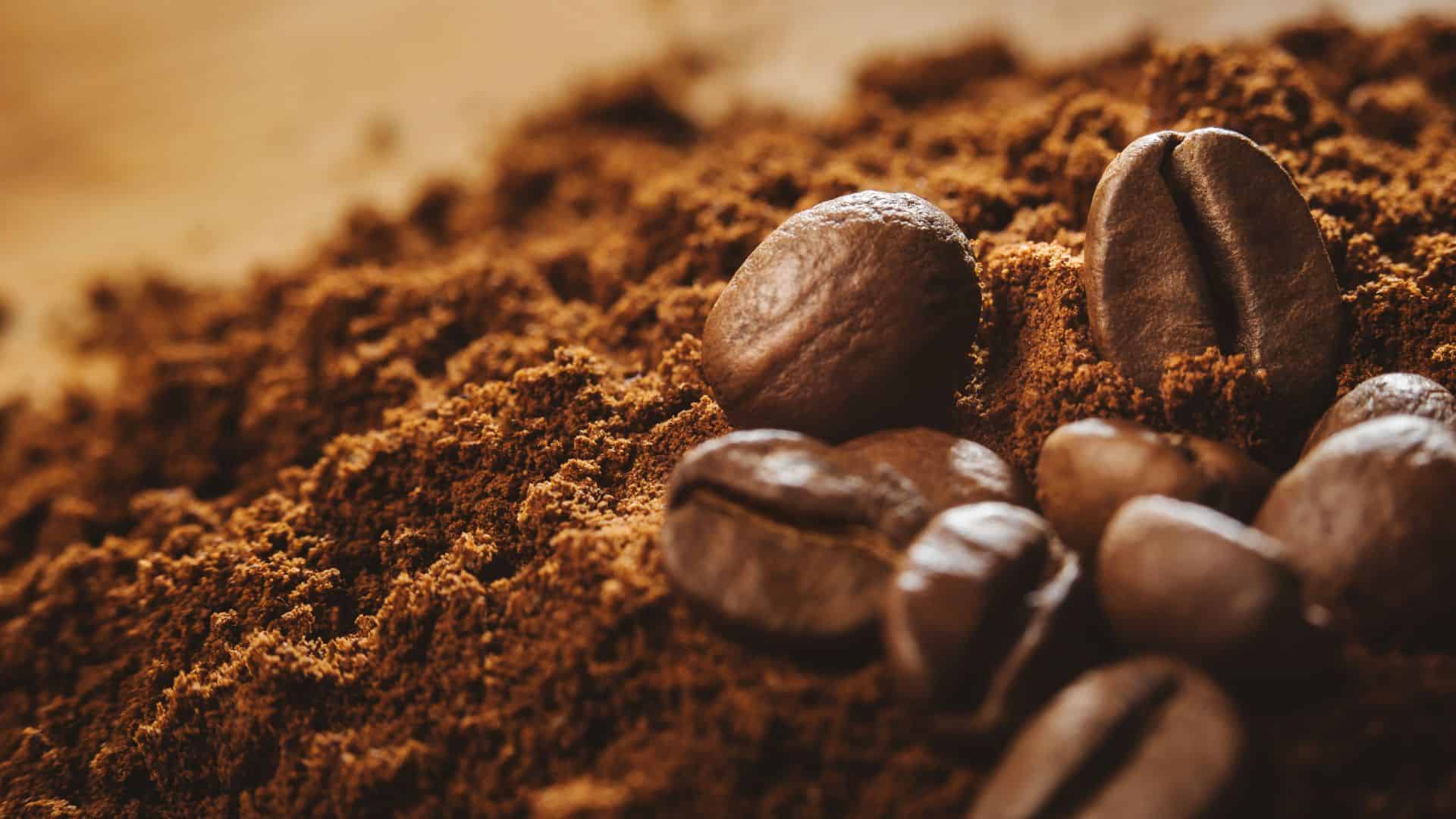
For people who buy coffee in bulk or receive large bags from stores, freezing portions can extend their shelf life without sacrificing quality. For those who brew daily from the same bag, freezer storage introduces more problems than benefits.
Coffee placed in the freezer must be sealed in an airtight, moisture-proof container. Original bags can work if unopened and reinforced with an additional freezer-safe bag. Once frozen coffee is removed, it should not be frozen again. Repeated temperature changes cause condensation, which damages flavor.
Whole beans versus ground coffee storage
Whole beans retain freshness longer than ground coffee because less surface area is exposed to oxygen. Ground coffee begins to lose flavor within minutes of grinding, which is why storage matters more once the beans are ground.
If storing ground coffee, airtight conditions are even more critical. Pantry storage is still preferable to refrigeration, but the shelf life is shorter. Expect noticeable flavor decline within one to two weeks after opening.
Whole beans stored properly can maintain acceptable flavor for several weeks, depending on roast level and packaging.
Do airtight containers help keep coffee fresh
Airtight containers are effective only if they are truly airtight and stored in appropriate conditions. Clear containers expose coffee to light, which degrades oils. Containers with loose-fitting lids allow oxygen exchange, even if they appear sealed.
If using a container, it should be opaque, airtight, and sized to minimize air trapped inside. Large containers holding small amounts of coffee increase oxidation. Try to find a container that is just big enough to fill it almost completely with coffee. Less air around the coffee means less oxidation.
Even the best container cannot compensate for poor placement. An airtight jar on a sunny counter shortens coffee’s lifespan.

Should coffee ever be stored in the refrigerator
The refrigerator is one of the worst places to store coffee, despite how common the practice is. Refrigerators introduce moisture and odors, all of which coffee readily absorbs. Every time the door opens, condensation forms inside containers, even if they're sealed.
Coffee is hygroscopic, meaning it absorbs surrounding smells. This is why refrigerated coffee often develops off-flavors unrelated to the beans themselves.
Refrigeration does not slow flavor loss and often accelerates it. Coffee does not benefit from cold storage unless it is frozen under controlled conditions.
How long does coffee stay fresh after opening
Freshness depends on storage and form. Whole bean coffee stored properly in a pantry typically tastes best within three to four weeks of opening. Ground coffee often peaks within one to two weeks.
Expiration dates on bags do not constitute a freshness guarantee. They reflect safety, not flavor. Coffee rarely becomes unsafe to drink, but it does become stale.
Common coffee storage myths that persist
Many people believe cold storage preserves coffee the same way it preserves produce. Coffee beans behave differently since they are porous, making this more myth than truth.
Another misconception is that vacuum sealing is necessary for daily storage. While helpful for long-term storage, vacuum sealing is unnecessary for coffee used regularly and can be impractical once a bag is opened.
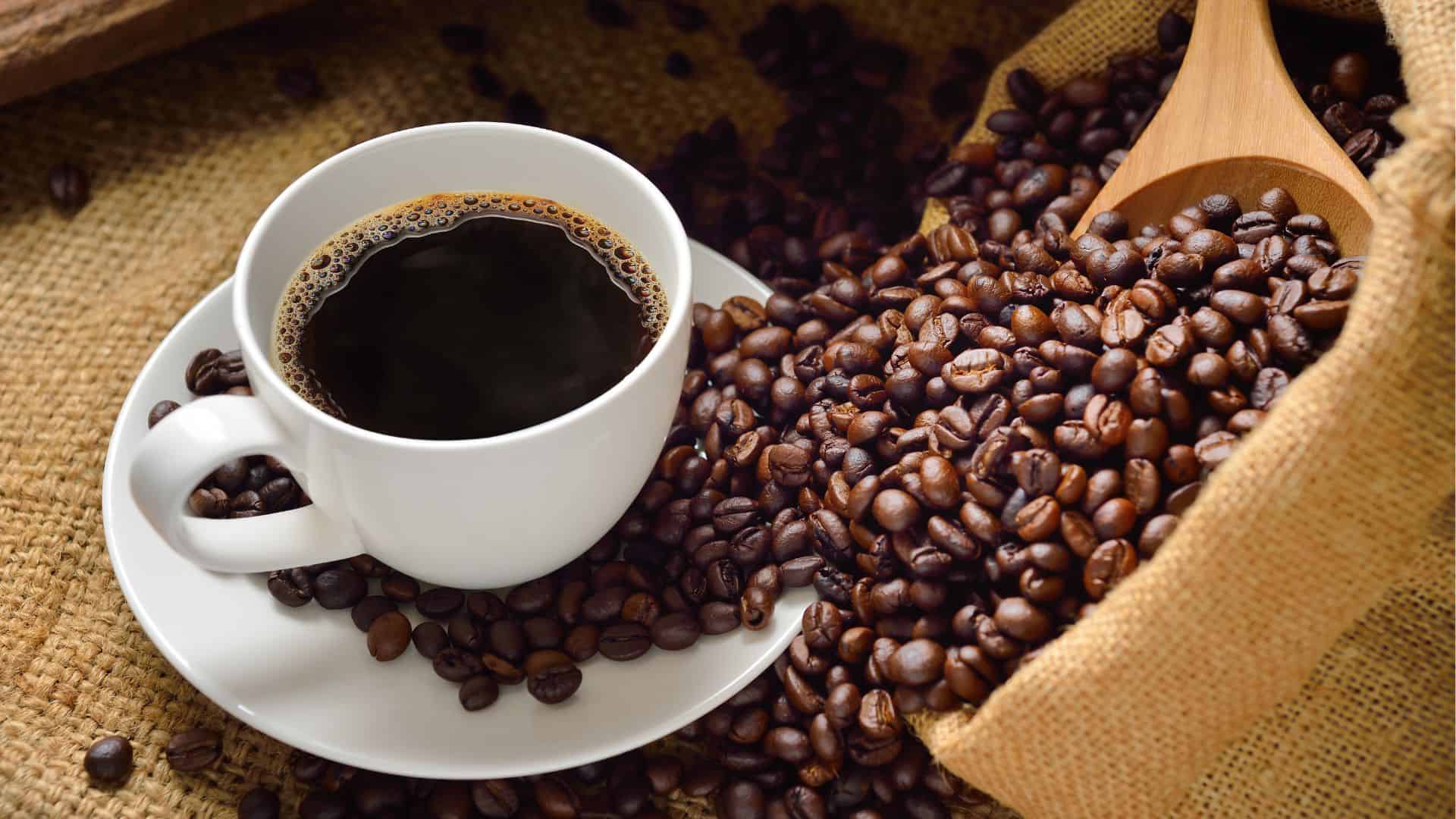
The simplest rule that works for most kitchens
For most people, the best place for coffee is a cool, dark pantry in its original packaging, tightly sealed, and used within a few weeks. Freezing is a backup option for long-term storage, not a daily solution. Refrigeration should be avoided to keep it as fresh as possible.
Coffee storage does not require specialized equipment or complicated routines. It requires reducing exposure to the elements. When those factors are controlled, coffee retains its flavor and freshness longer, regardless of price point or brand.
Why storage matters more than brand
Even premium coffee loses its advantage when stored poorly. Properly stored coffee will taste better than expensive beans that have been exposed to air. Proper storage determines how much of the roaster’s work actually reaches the cup.
Coffee quality begins on the farm and during roasting, but it is preserved or lost at home. Knowing where coffee actually belongs is one of the easiest ways to improve daily brewing without changing what you buy.
Leave a Reply