
Dining etiquette has always reflected more than table manners. It signals respect, awareness of others, and an understanding of shared space. While some rules remain relevant across generations, others feel disconnected from how people actually eat today. Restaurants have become more casual, and social norms are more fluid. That shift has not erased etiquette, but it has reshaped it.
Staying present
Few actions are viewed as more disruptive than constant phone use at the table. Looking at a phone during a conversation signals where attention is directed. Even short glances at a screen can disrupt the flow of discussion and leave others feeling overlooked.
This expectation is not about rejecting technology. The issue is prolonged disengagement. People notice when someone repeatedly checks notifications or responds to non-urgent messages. Putting the phone away signals respect and interest, two values that still anchor dining etiquette.
Being mindful of volume
Raising one’s voice across a table or making excessive noise is generally discouraged. Restaurants are shared spaces, and keeping sound at a reasonable level helps ensure others are not disturbed.
This applies just as much in casual settings as formal ones. Laughter and lively discussion are welcome, but dominating the room is not. The expectation is simple: enjoy the meal without imposing on others.
Treating service staff with respect
Courtesy toward servers remains a cornerstone of good dining behaviour. Clear communication and politeness are understood as non-negotiable. This includes acknowledging mistakes calmly and recognising that delays are not always within a server’s control.
Tipping may vary by region and situation, but dismissive behavior does not. The tone used when ordering or addressing issues often leaves a stronger impression than any gratuity line on a receipt.

Waiting before eating
Beginning a meal before everyone is served still feels awkward in many settings. A pause until everyone is ready is normal. It allows everyone to settle in and signals that the meal is shared rather than rushed. Checking the table before picking up utensils remains a small gesture that carries social weight.
Cleaning up shared spaces
When eating at home, helping clear plates or tidy up the kitchen is generally considered courteous. The expectation is not perfection, but participation. Leaving everything for the host can feel dismissive, even when the host insists it is unnecessary.
In restaurants, this translates differently. Stacking plates or reorganizing the table is not required and can sometimes complicate service. The core principle remains the same: be aware of how actions affect others.
Formal place settings
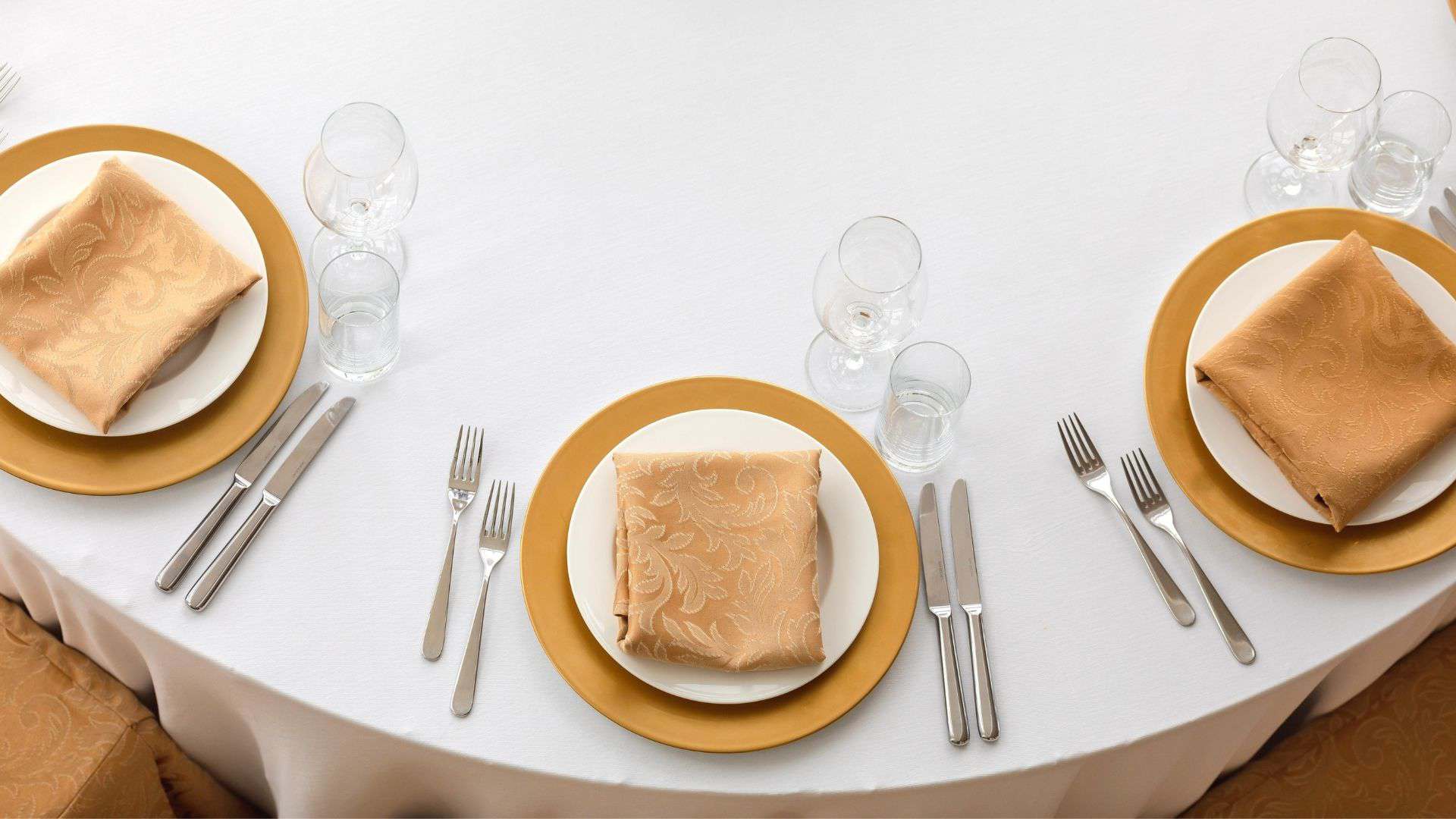
Knowing which cutlery to use for each course has become less critical. Outside of rare formal events, most meals no longer include elaborate place settings. When they do, servers often guide the process, removing the pressure to remember strict rules.
People are more forgiving of uncertainty here. Using the wrong cutlery is unlikely to draw attention or judgment, and correcting someone else would be seen as impolite rather than helpful.
Napkin placement rules
Traditional rules about when to place a napkin on the lap or how to fold it at the end of a meal are no longer relevant.
In casual dining, napkins are often used as needed, sometimes placed on the table between bites or during conversation. These choices rarely register as breaches of etiquette.
Elbows on the table
Once considered a serious lapse, resting elbows on the table has become widely accepted, especially between courses. Today, the focus is less on posture and more on comfort and awareness.
As long as space is respected and people are not crowded, this rule no longer holds the authority it once did. Few people notice, and fewer still care.
Finishing everything on the plate
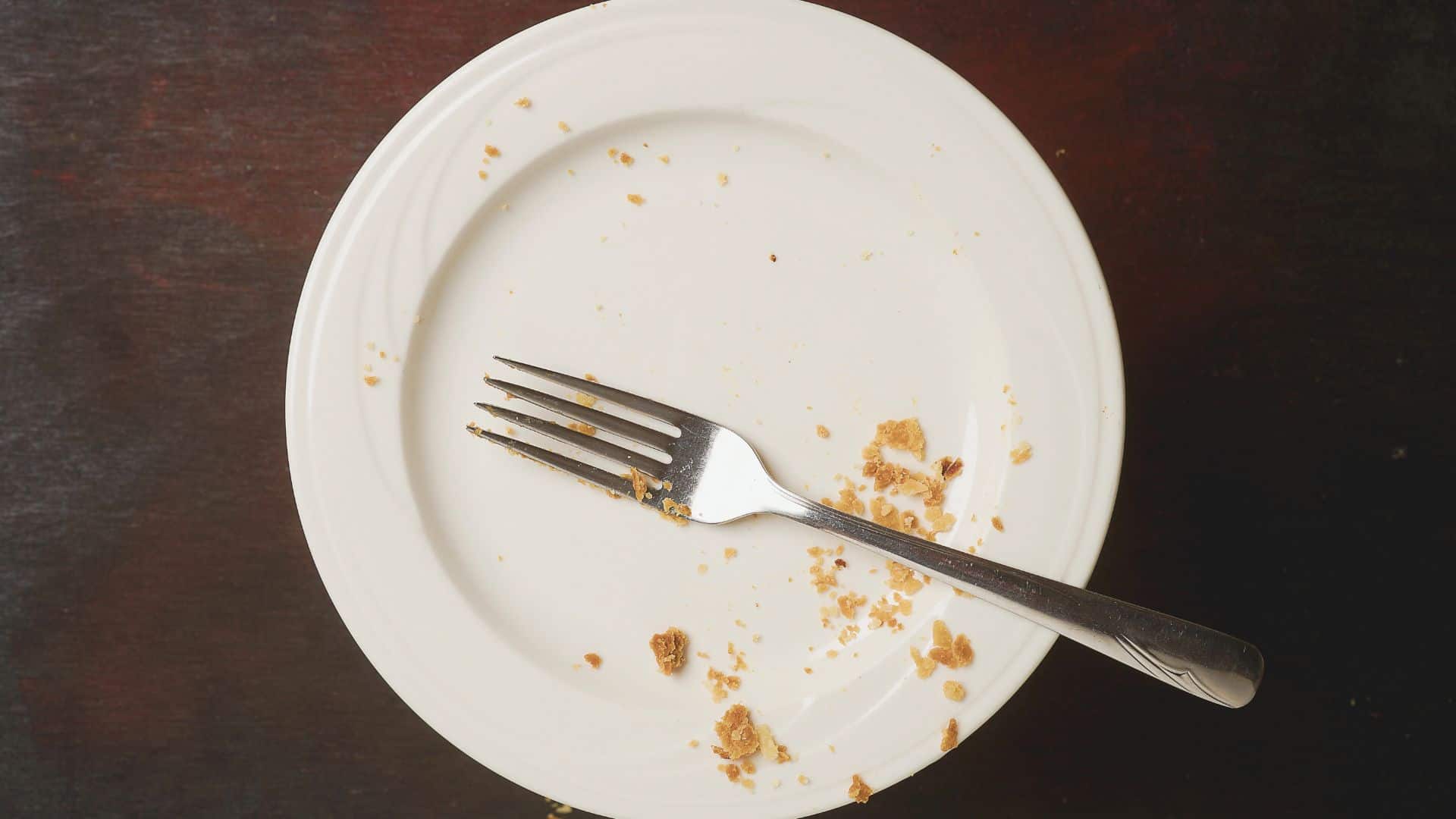
Leaving food behind was once interpreted as wasteful or disrespectful. Modern dining has reframed this expectation. Portion sizes vary widely, and taking leftovers home is common.
Finishing every bite is no longer a measure of appreciation. Expressing thanks or offering a compliment serves that role more clearly than an empty plate.
Asking permission to leave the table
In formal settings, excusing oneself from the table was once considered a sign of disrespect. Today, brief departures are common and rarely require explanation. Most people understand that interruptions are part of daily life.
Long absences without acknowledgment are considered rude, but the need to ask permission has disappeared outside of structured events.
Conclusions
Modern dining etiquette places less emphasis on performance and more on awareness. Most expectations now revolve around respect and consideration for shared space.
This shift does not signal a decline in manners. It reflects a recalibration. Etiquette now adapts to how people actually eat, talk, and gather, rather than how they once were expected to. At the table, courtesy remains important, but its form has changed.
Leave a Reply