
Dining in an upscale restaurant can feel pretty intimidating. You walk in, and everything looks elegant, the lighting is soft, and the tables are beautifully made.
After years of dining in fine-dining restaurants and paying close attention not just to the food but to how people order, interact, and move through the experience, I’ve noticed the same small mistakes come up again and again.
I’ve also picked up insight from servers along the way, and these are some of the things they quietly wish more guests understood.
Not looking at the menu before you arrive
Most people just visit the restaurant and expect to figure out what to eat at the table. While that might work at a casual restaurant, fine dining menus can be confusing. You may find unfamiliar names, complicated culinary terms, ingredients you’ve never heard of, and preparation methods that need a second to process.
When you sit down, and the server is waiting to take your order, that’s not the time to learn what “en papillote” means.

Do yourself a favor and read the menu online before you go. This way, you can familiarize yourself with the options and terms so you feel more comfortable when ordering.
Stressing over the prices at the table
If the prices made you uncomfortable before booking, that’s when to address it, not while you’re already seated and looking at the menu. Fine dining is expensive, and for real reasons. It involves high-quality ingredients, skilled chefs, excellent service, and beautiful table settings. Comparing a tasting menu from a high-end restaurant to a regular place you often eat at is like comparing apples to oranges.
The best approach is to look up the prices online before making your reservation. If the prices feel okay to you, go ahead and enjoy your meal.
Just remember, if you’re worried about how much each bite costs while you’re eating, it can spoil the experience for you and the people you’re dining with.
Not checking photos of the dishes beforehand

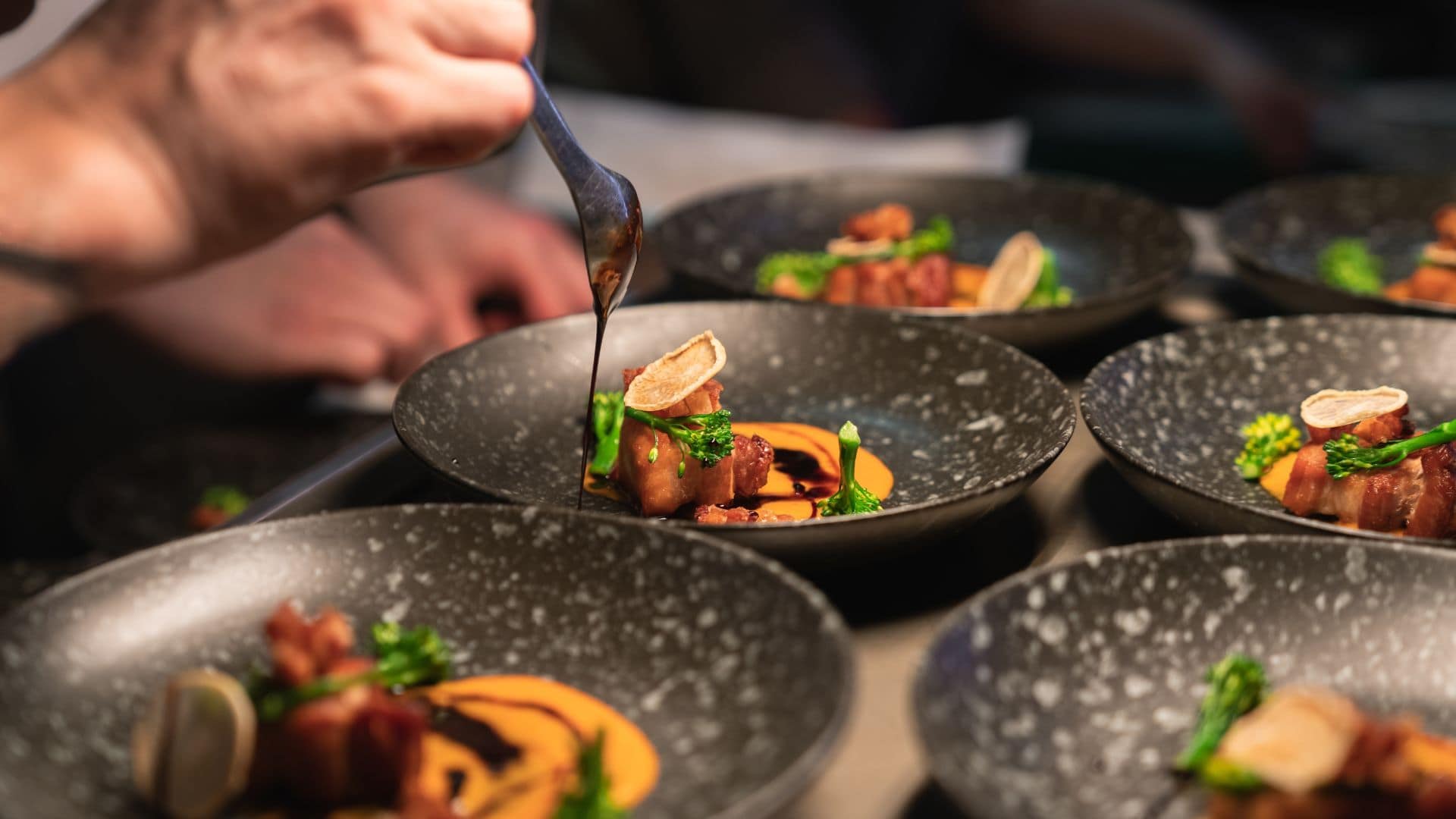
A lot of people don’t think about this one, but most fine dining restaurants are active on Instagram or at least have photos floating around online. The portion sizes and plating at this level of dining are nothing like what you’d expect from a regular night out.
A main course might arrive as three elegant bites on a wide ceramic plate, and if you weren’t expecting that, it can disappoint you, especially if you’re someone who usually enjoys larger portions.
Check the food visuals online before you visit the restaurant. This will help you have an idea about how much you should order.
Ordering only what you already know

If you’re going to a restaurant where the chef has spent twenty years refining their craft, and you order the safest, most familiar thing on the menu because you’re not sure about everything else, you’re kind of missing the experience. Fine dining is a great chance to try new and exciting dishes, especially because the chefs know how to cook them perfectly.
Don’t hesitate to chat with your server about what you usually enjoy and ask for their suggestions. That’s part of their job, and they usually have great recommendations!
Rushing the meal
At fine dining restaurants, the meal is meant to be enjoyed slowly, with breaks between courses that allow diners to relax and savor their food. However, some guests become impatient during these pauses and try to rush the servers, which only makes things a bit uncomfortable at the table.
A tasting menu can take anywhere from two to four hours, depending on the restaurant. So, be prepared for a leisurely evening and take advantage of those breaks between courses; they can lead to some of the best conversations.
Ignoring the sommelier or drinks pairing
Many people tend to ignore the sommelier or avoid talking about wine because they feel intimidated or think it will make their meal much more expensive. However, a good sommelier is not there to push expensive bottles on you; they want to help enhance your meal.
You can let them know you’re looking to spend a certain amount per bottle, or that you’d like to try a glass of wine instead of a full bottle. The right drink, whether it’s wine or a non-alcoholic option, can really elevate the flavors of your food.
Forgetting to mention dietary restrictions
If you have a serious allergy or specific dietary needs, it’s important to let the restaurant know before you arrive. Mentioning it at the table can cause problems for the kitchen, especially since they often prepare each dish in advance.
Many fine dining restaurants actually prefer, and some require that you flag restrictions at the time of booking. When a kitchen knows in advance, it can prepare a suitable alternative rather than rushing to make last-minute changes.
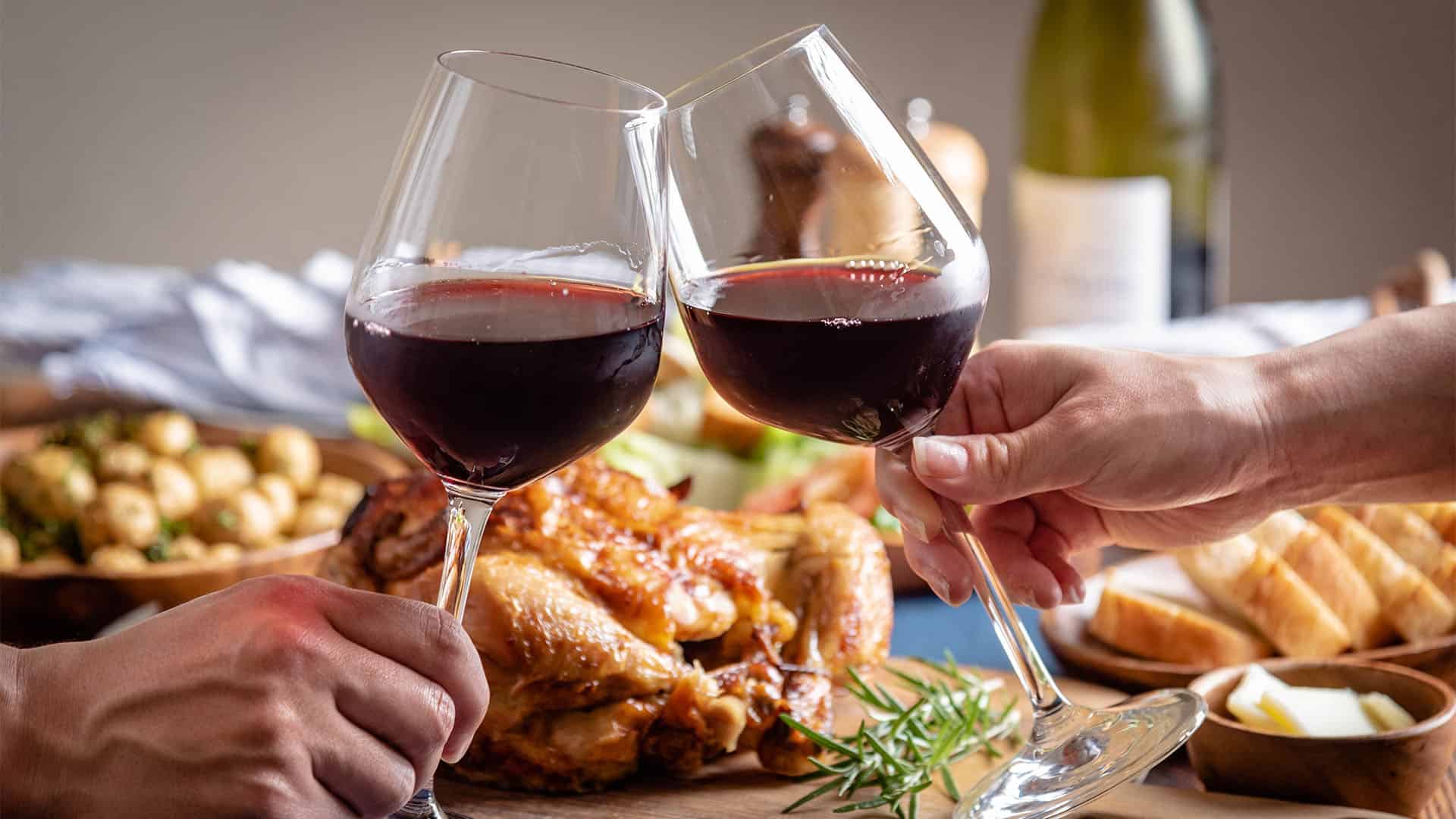
Fine dining rewards people who come prepared and stay curious. Go in knowing what to expect, trust the people serving you, and let yourself try something new. That’s genuinely when these meals become worth every cent.
Leave a Reply