
From uneven cooking to a lack of flavor, here are the key issues that can affect the taste and texture of chicken and what to change for better results.
Many of us have experienced this; you sit down for a nice dinner, excited to eat your perfectly cooked chicken. But when you take a bite, it’s so dry that you need a drink just to swallow it. It’s frustrating because you probably followed all the right steps, yet the chicken is still tough and rubbery.
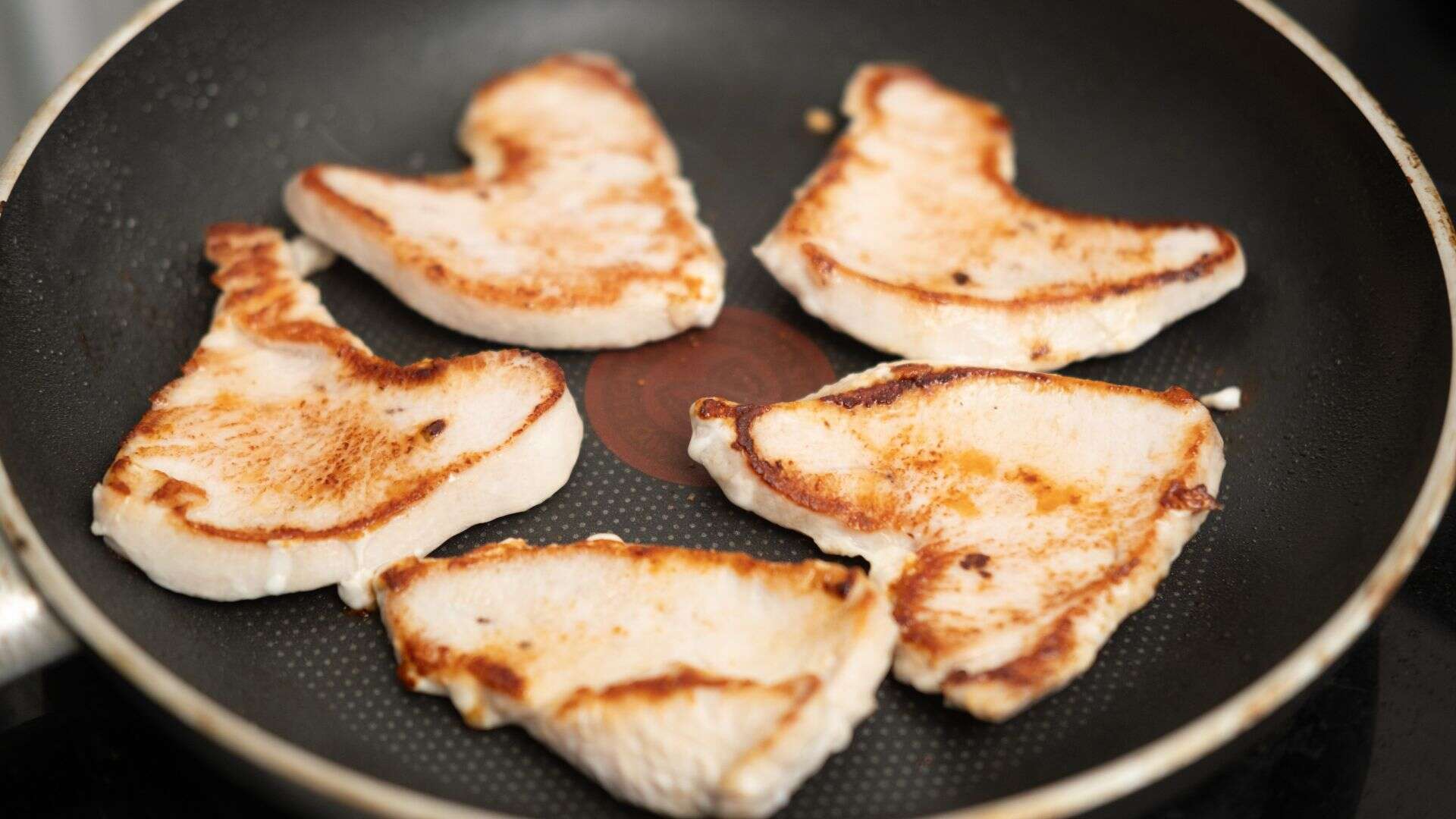
Here are some common mistakes people make when cooking chicken, along with tips to help you achieve that perfect texture:
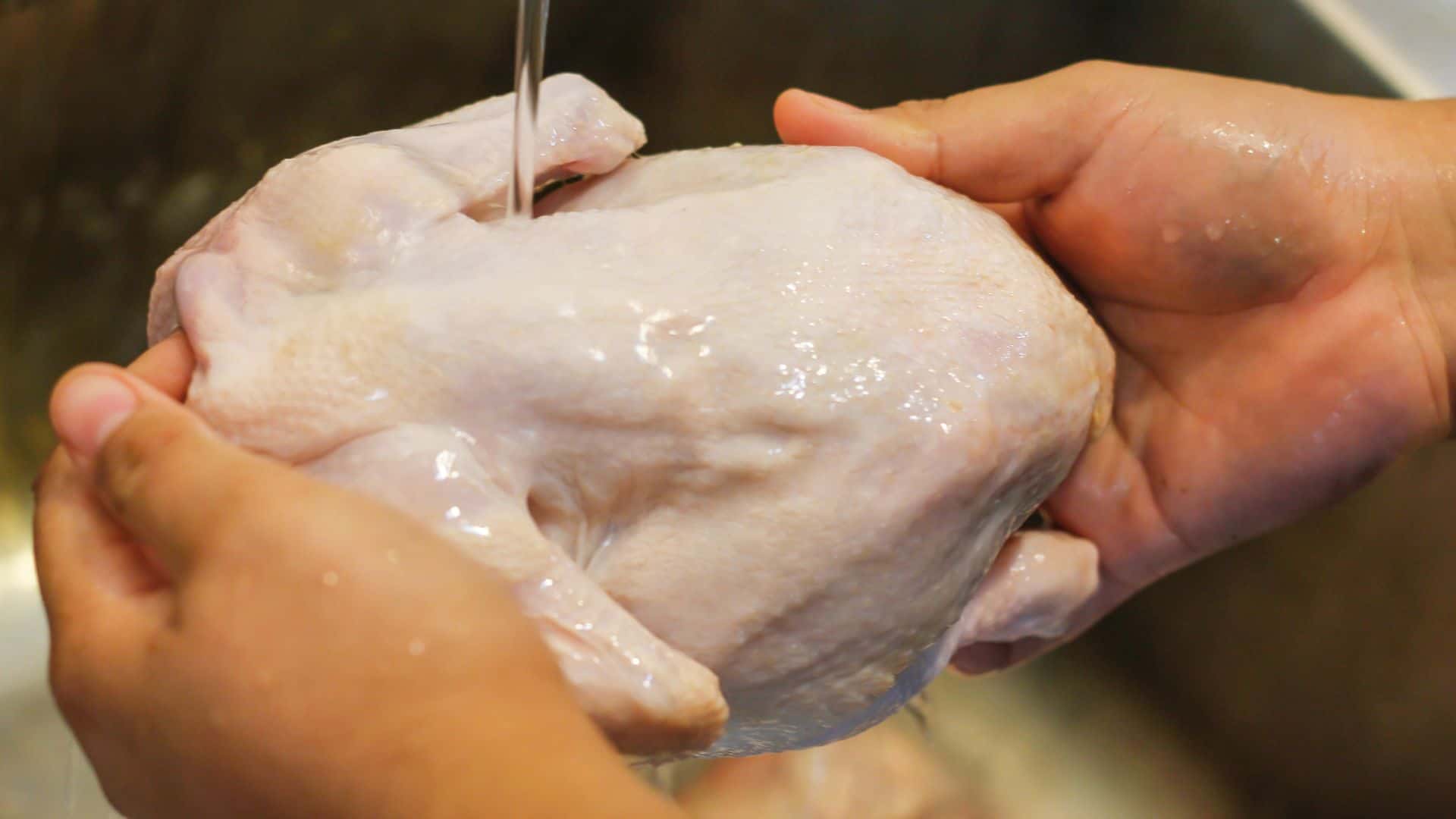
Washing raw chicken
Many of us wash raw chicken before cooking it, often because we were taught to do so, but the USDA advises against this practice. Washing raw chicken can actually spread harmful bacteria to your sink, surrounding surfaces, and even to other foods. If these contaminated areas are not cleaned, it can lead to foodborne illness.
The best way to ensure chicken is safe to eat is to cook it to the right internal temperature, which kills bacteria.
Skipping the brine or salt prep
One of the biggest mistakes people make is taking the chicken straight from the packaging and throwing it into the pan without any preparation, which can lead to dry meat. To keep the chicken moist, try brining, which preserves and seasons the meat while enhancing tenderness.
If you don’t have time for that, even rubbing some salt on the chicken and letting it sit in the fridge for a while can help.
This step is important for retaining moisture in the meat as it cooks. You can add the seasoning after the brining is done.
Cooking at the wrong heat
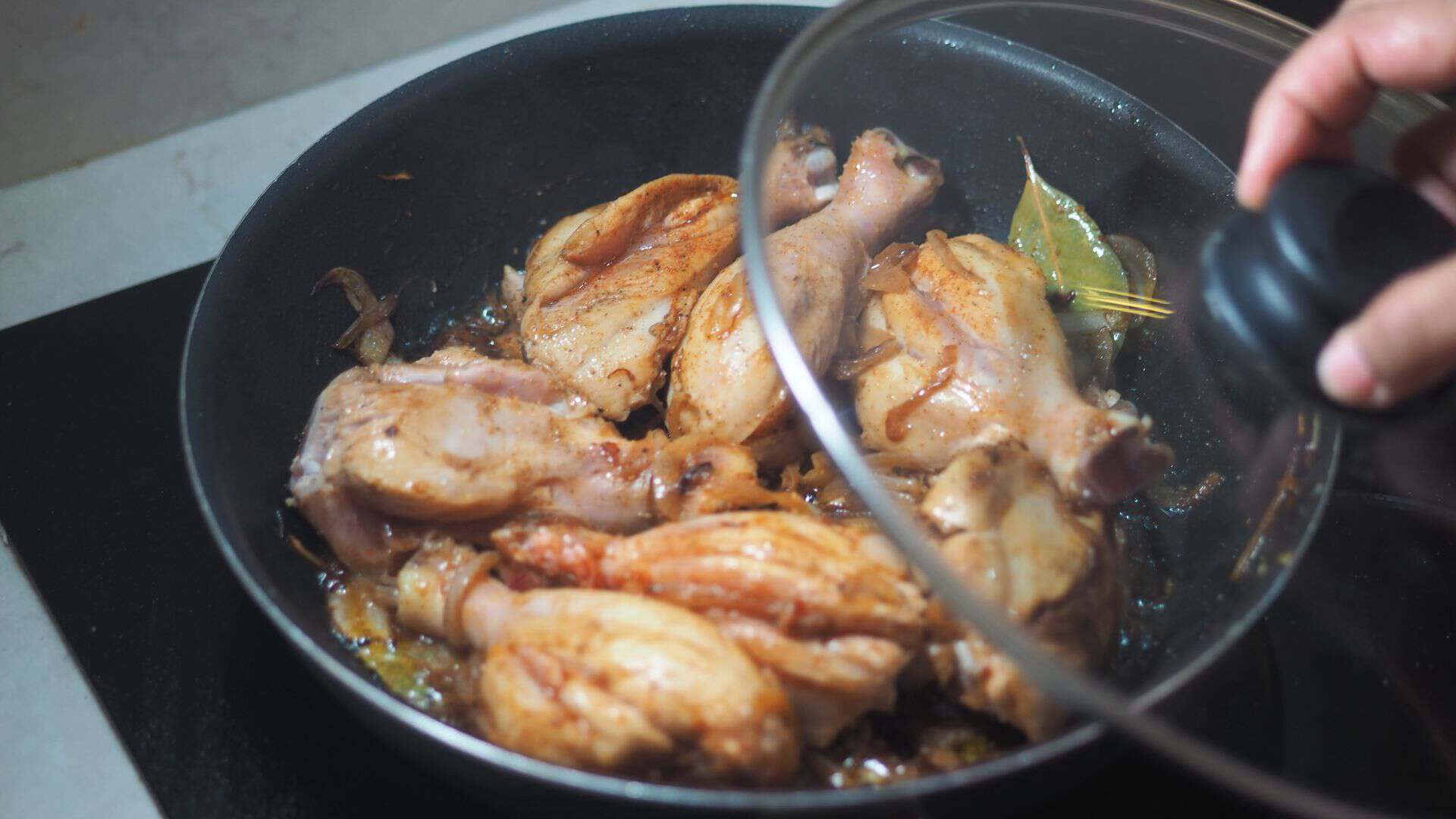
Many people believe that cooking chicken on high heat will give it a great sear. However, if you cook it at high temperatures for too long, the meat can become tough and dry.
On the other hand, some people hurry and don’t cook the chicken long enough, which can be unsafe. To get the best results, start by cooking the chicken over medium-high heat to develop a nice brown crust. Once that’s done, lower the heat to allow the chicken to cook through evenly.
Also, use a meat thermometer to check the temperature. According to food safety guidelines, the safe minimum temperature for chicken is 165 degrees Fahrenheit.
Cooking meat while it is still ice cold
Have you ever taken chicken straight from the fridge and put it in a hot pan? This can result in uneven cooking. The outside begins to cook and brown, while the inside of the chicken remains cold. To avoid this, let the chicken sit out for about 20 minutes before cooking. This allows it to warm up and cook more evenly, so you get juicy meat throughout.
If you are using frozen chicken, make sure to thaw it properly either in the refrigerator overnight, in cold water, or in the microwave oven.
Not knowing the chicken cuts
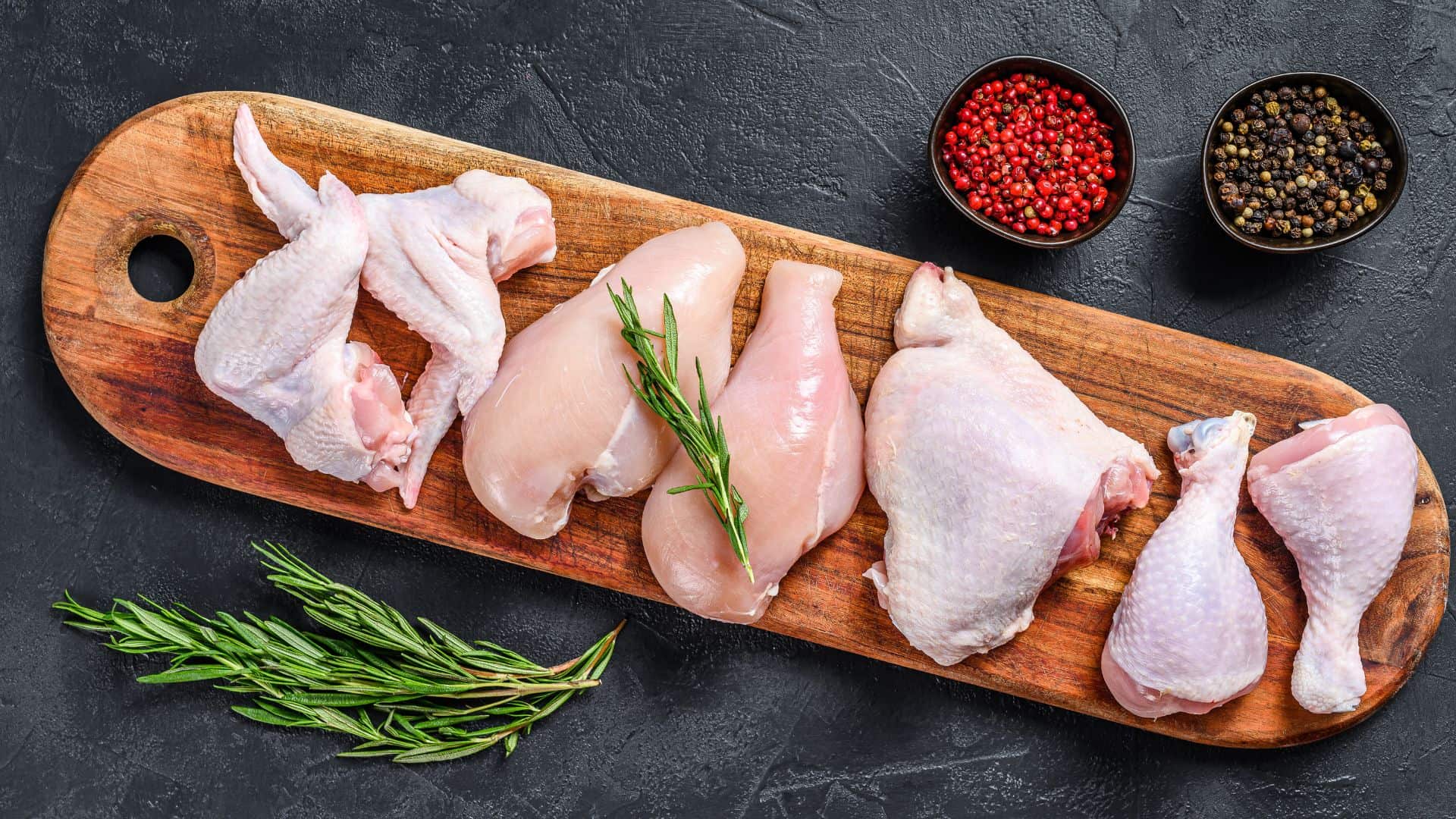
When cooking chicken, it’s important to know that bone-in and boneless pieces don’t cook the same way. Boneless chicken breasts cook quickly but can dry out easily if you don’t use the right temperature. On the other hand, bone-in chicken thighs take longer but tend to stay juicy because of the fat and bone. If you’re new to cooking chicken or worried about it drying out, go for bone-in thighs. They’re usually easier to cook well.
If you’re cooking chicken breasts that are different sizes, use a meat mallet or a heavy pan to flatten them to a similar thickness. This ensures the chicken cooks evenly, with no overcooked or undercooked parts.
Forgetting the rest period
One common mistake people often make when cooking chicken is cutting into it right after it comes off the heat. It can lead to chewy and drier meat. To avoid this, it’s important to let the chicken rest for about five to ten minutes after cooking. This waiting time allows the juices to redistribute throughout the meat, making it even more tender and flavorful.
Overcrowding the pan
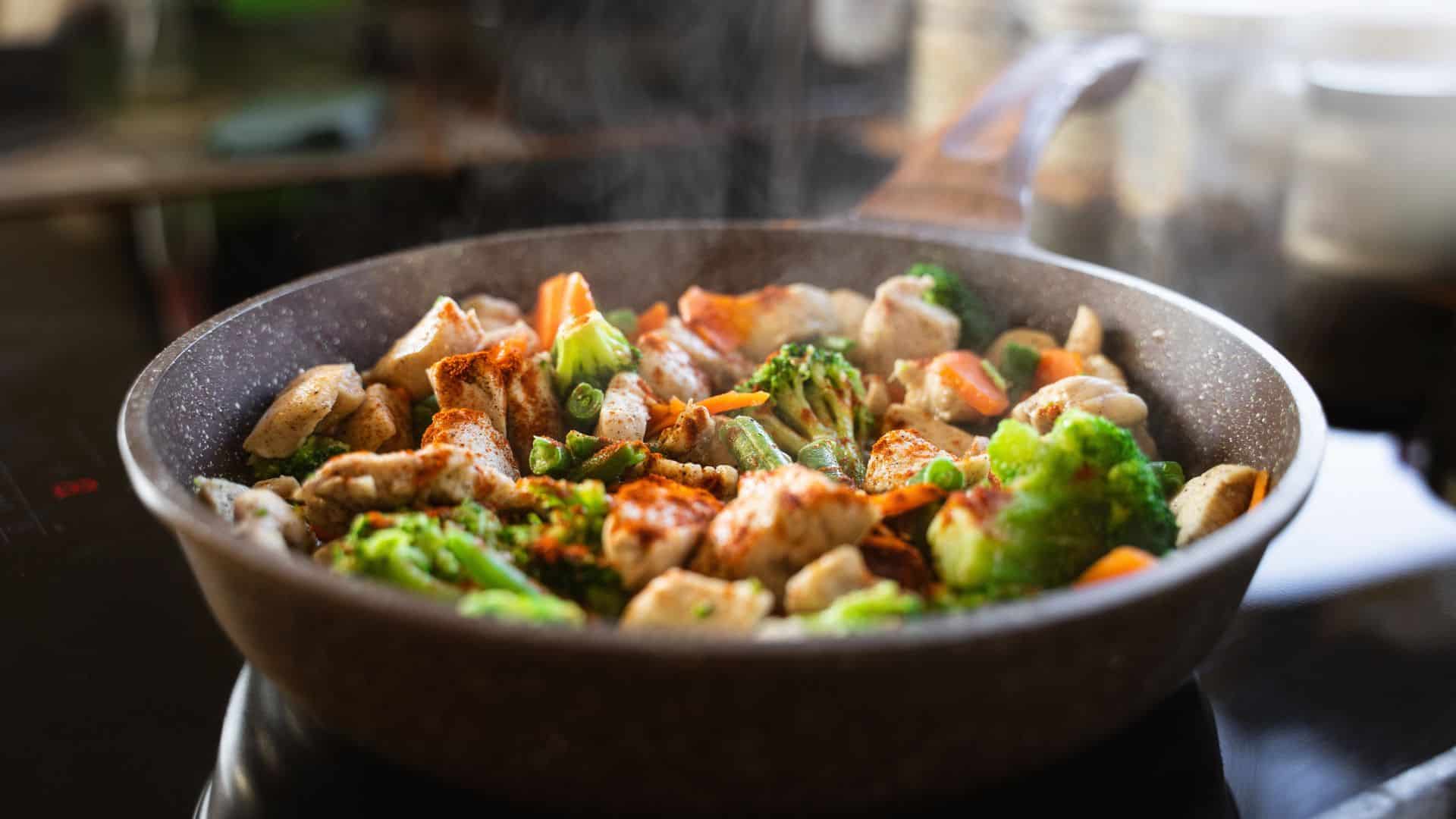
When cooking chicken, it’s important not to overcrowd the pan. If you put too many pieces in at once, you end up with gray, rubbery, under-browned meat. To achieve that delicious brown color and great texture, make sure the chicken has enough room in the pan.
If you have a lot to cook, it’s better to do it in smaller batches. It might take a bit more time, but the taste and texture will be much better.
Next time you make chicken, keep these tips in mind. Most of these things take less than a minute and can make a big difference in how your meal turns out. The more you practice these steps, the better your chicken will taste and the less likely it is to be dry or unevenly cooked.
Leave a Reply