
Millions of Americans are at risk of losing access to food assistance next month as the government shutdown continues with no resolution in sight. The U.S. Department of Agriculture (USDA) has warned that funding for the Supplemental Nutrition Assistance Program (SNAP) is running dangerously low. With the shutdown now extending into another month, the agency has notified states that there are insufficient funds to issue full SNAP payments in November — a move that could leave more than 40 million people without essential grocery benefits.
For many families already struggling with rising food prices, even a temporary disruption could have devastating effects.
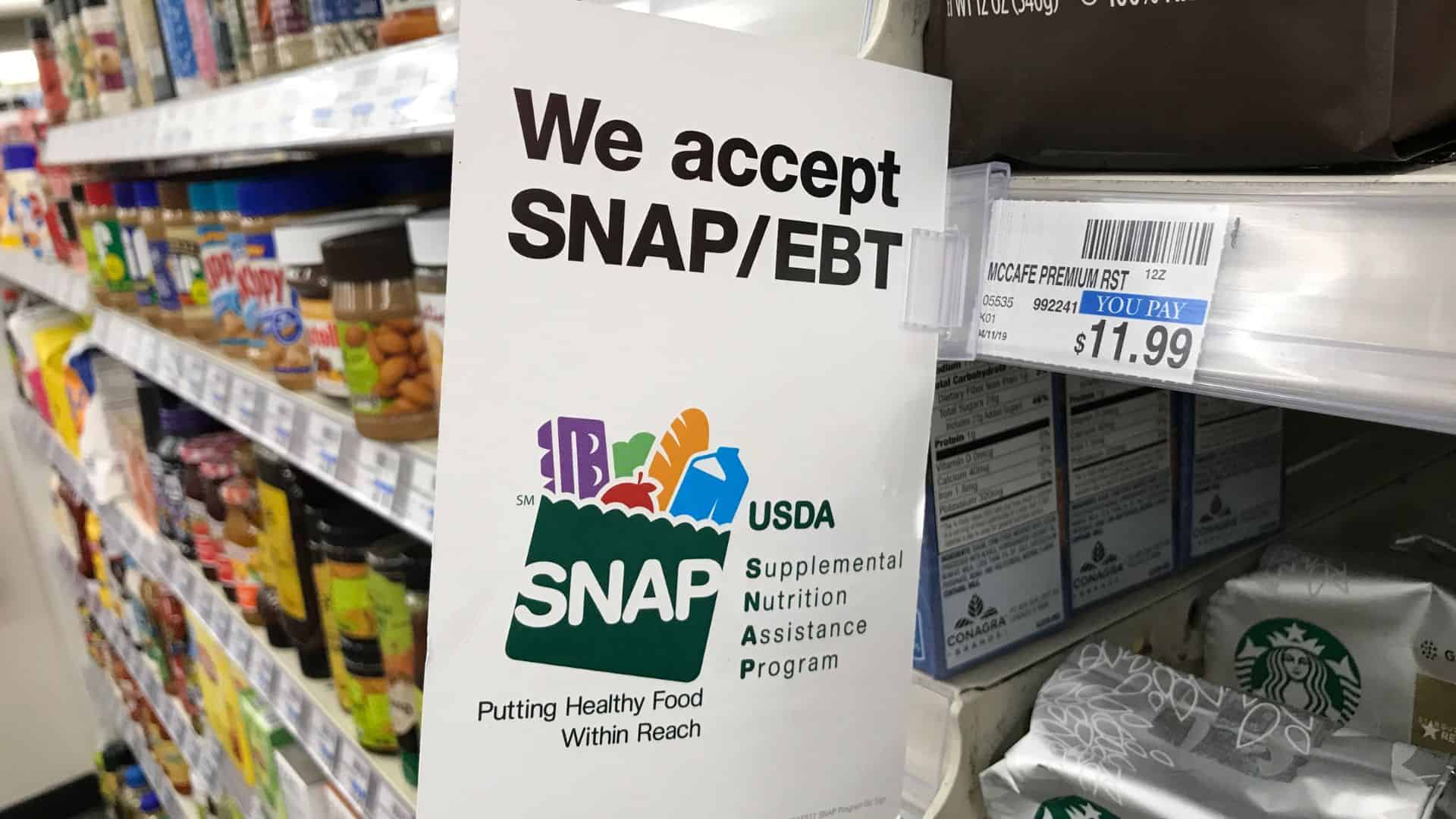
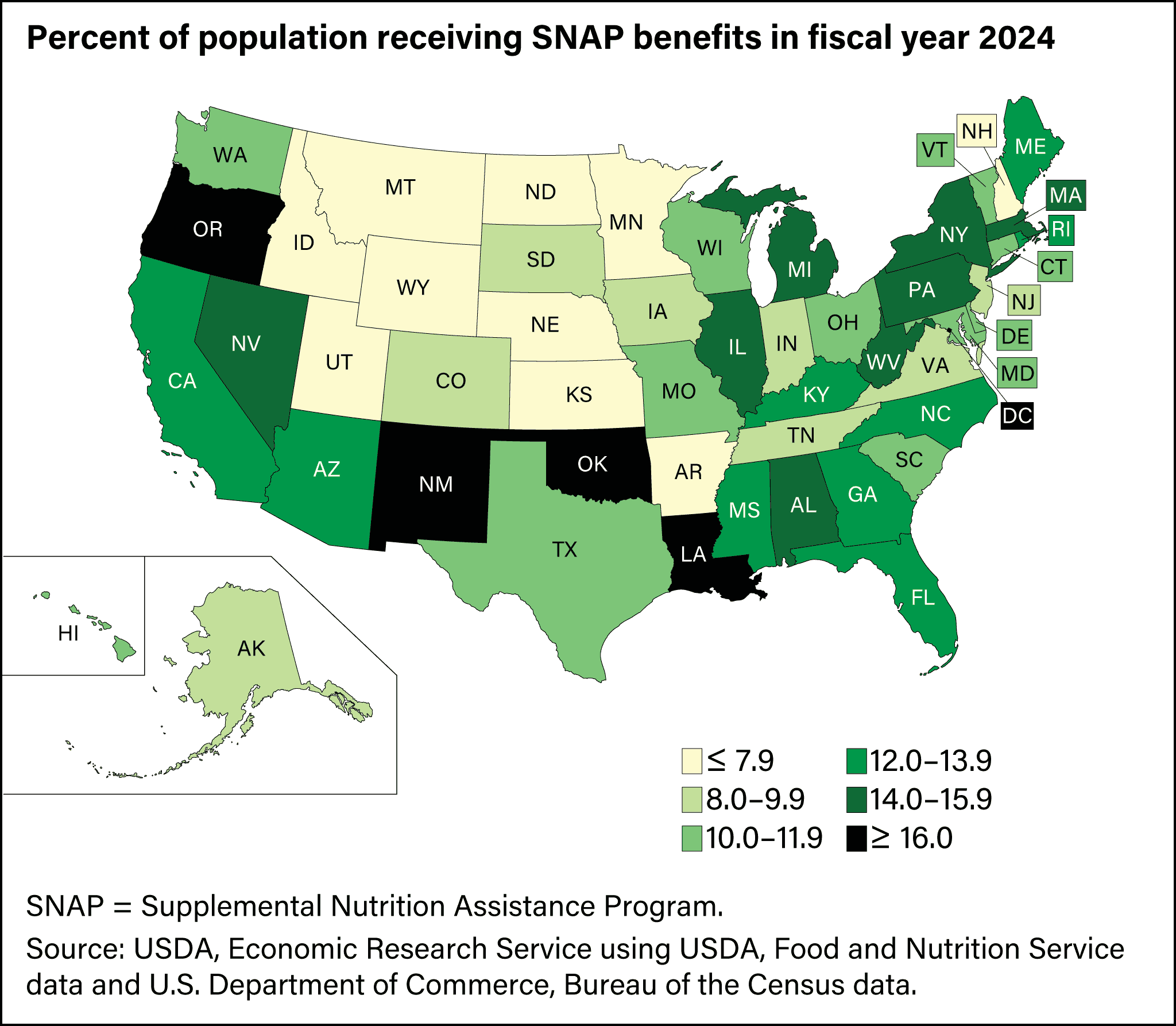
SNAP is the nation’s largest food-assistance program. In 2024, it served about 41.7 million Americans monthly, roughly 12.3% of the U.S. population. Because of that scale, a disruption will not just affect individuals; it has broader implications for communities, state economies, and the food system.
Agriculture Secretary Brooke Rollin shared on X, “Because of the Democrat shutdown, there are not enough funds to provide SNAP for 40 million Americans come November 1.”
The average SNAP benefit for a one-person senior household is $188 per month, or $2,256 per year. It’s one of the country’s largest safety-net programs, providing monthly food benefits to low-income households through state agencies.
The program currently has roughly $6 billion left in contingency funds. November payments are expected to total about $8 billion, meaning the shortfall could come as early as the first week of next month.

Other nutrition programs were also affected
SNAP isn’t the only nutrition program affected by the shutdown. The Special Supplemental Nutrition Program for Women, Infants, and Children, known as WIC, also faced a funding crisis earlier this month.
WIC, which serves about 7 million pregnant women, new mothers, and young children, was expected to run out of money. But the Trump administration shifted $300 million in tariff revenue to keep it operating through October.
However, there is not enough of that tariff revenue to also shore up the food stamp program for November, a senior USDA official told CNN.
Advocates warn of consequences

The potential loss of benefits would have a devastating impact on families. “Food stamps provide critical assistance to families who need help to be able to eat,” said Gina Plata-Nino, acting director of SNAP at the Food Research and Action Center.
She said the timing makes the situation worse. “The November benefits are especially important with Thanksgiving on the horizon,” Plata-Nino said. “Food pantries can’t fill that gap, since they are already under strain.”
Ty Jones Cox, vice president for food assistance at the Center on Budget and Policy Priorities, said the administration should act as quickly to protect SNAP as it has with other programs during the shutdown.
“We can’t let households who need help purchasing food become another casualty of this shutdown,” Cox said.
This isn’t the first time SNAP has faced a funding threat during a shutdown. During the record-long government closure that began in 2018, the USDA initially warned that benefits would stop at the end of January.
The agency later said it could use an emergency provision allowing payments within 30 days of a funding lapse to cover February benefits. That workaround ultimately wasn’t needed because the shutdown ended in late January.
It’s unclear whether the department will find a similar option this time.
A safety net under pressure
Food insecurity is already rising, leaving many families paying higher prices for basics like eggs and produce. A lapse in SNAP would hit hardest in rural areas and small towns, where grocery access depends heavily on federal dollars.
According to the Food Research & Action Center, one in seven rural households uses SNAP, compared with one in eight in metropolitan areas. When benefits stop, it may not only affect individual households, but also small retailers and local markets that rely on consistent federal spending.
For many families, those funds are a primary food source. As the shutdown continues, state agencies are preparing for possible disruptions and attempting to keep recipients informed. Food banks and community organizations are bracing for increased demand if benefits are delayed into next month.
What does the future look like?
The USDA hasn’t said whether it can stretch remaining funds past early November. For now, states are waiting for further direction, and recipients are being told that October benefits remain secure.
If the shutdown isn’t resolved soon, millions could face the first major interruption to food stamp benefits in years. For families depending on those benefits, the coming weeks will determine whether their monthly grocery budgets can hold, or if, for the first time in a generation, SNAP payments stop altogether.
Leave a Reply