
Busy lunch hours can create small tensions in restaurants, especially when seating decisions collide with unexpected crowds. Being asked to move after you’ve already settled in can feel disruptive, even if staff are trying to manage limited space. A recent online post captured this exact scenario: a student described a visit to a fast-casual restaurant chain that turned awkward when a large table was needed for a late-arriving group. The post exploded with hundreds of comments, filled with varying opinions about the original poster’s experience.
The story

The original poster, a teenager, explained on Reddit that he went to Nando’s around noon on a Monday with his girlfriend for lunch during break. The restaurant was nearly empty when they arrived so that they could have sat anywhere, but they were specifically directed to a long table that could seat 10 or more people. Initially confused, he found it unusual, but eventually decided to sit, given the quiet time of the day.
By the time their food arrived, the whole place had filled up. Right as they started eating, the waiter asked them to move. A party of ten walked in and needed the long table, which he declined, considering they were already eating.
Shortly afterward, a woman representing the party of ten made the same request, insisting that the teens move immediately, even implying that they were younger and should move out of respect. They refused again, and the girlfriend even ordered dessert, at which point the office party decided to leave, without using the table.
The group eventually left because they couldn’t be seated.
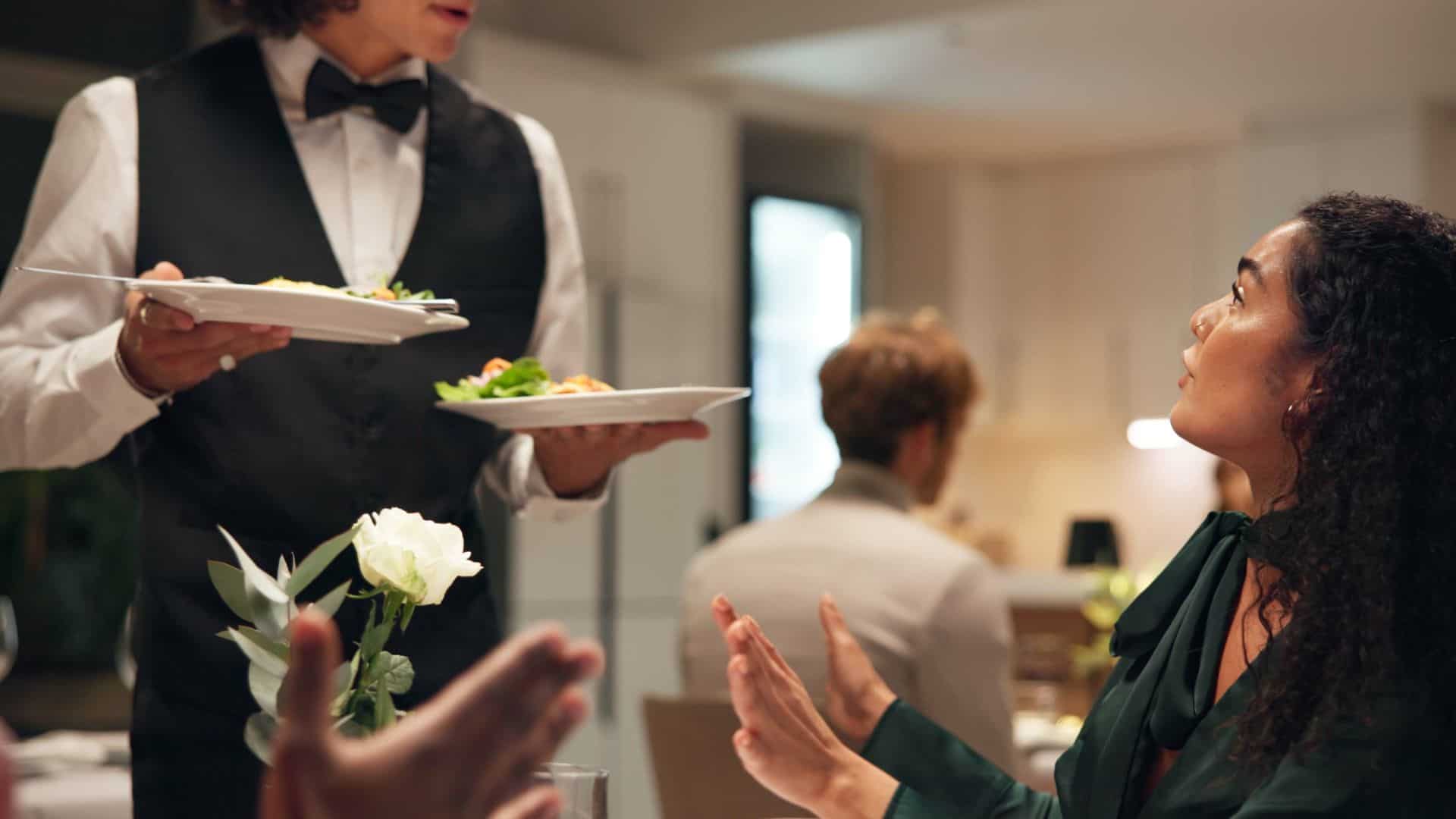
The poster added that they asked at the start to sit somewhere else and were told no. And the initial “request” to move wasn’t really a request; the waiter told them they needed to move, which explains why the refusal was immediate. He turned to the Reddit community and asked if what he did was fair.
The reactions
The thread quickly filled with thousands of comments from people with strong opinions about etiquette, from both diners’ and hosts’ perspectives.
Some readers felt the couple was completely justified. One person said, “I definitely would have ordered dessert, too, at this point. I might tell the manager that we would move if they comped our meals.“
Many readers related to that instinctive frustration. When someone interrupts your meal twice within minutes, it’s hard not to be patient. You’re paying not only for the food but also for the experience, and there’s a point where you feel like you deserve at least some consideration if they’re asking you to make their problem easier.
Another commentator also sided with the post, saying, “Would have been okay to move if they asked you at the start before your meal was served. Asking someone to move in the middle of a meal is quite rude.”
It was the restaurant’s decision to make seating choices, so the burden shouldn’t shift to customers halfway through their meal. A small gesture, even something symbolic, would’ve changed the whole situation and accommodated everyone. Most people don’t mind helping if they feel respected, which wasn’t the case here, as he was asked to move rather than politely requested.
Some also shared similar experiences they had at the restaurants. One person said, “I was once asked to move mid-meal. I did because I was with work colleagues and didn’t want to make a scene, but I would never ask someone who is midway through eating their meal to pick up their plates and go to another location for my convenience.”
This highlights how people face social pressure in such moments, especially in crowded places. People often say yes because they don’t want to be “difficult,” not because the request is reasonable. A good restaurant should protect guests from feeling obligated to resolve operational mistakes just to avoid embarrassment.

One person even said it was the group’s fault, “The restaurant didn’t do its job correctly, and the work group didn’t reserve seating. This falls on everybody else involved, not you.”
Large groups almost always book ahead because it prevents exactly this situation. When a restaurant doesn’t plan or fails to manage seating well, it creates tension between customers who shouldn’t be in conflict at all. Better systems, or even a simple reservation, would’ve prevented the whole situation.
But not everyone agreed. Some felt the couple should’ve moved for the sake of the bigger group. One said, “An entire group of people had to move because you couldn’t be inconvenienced for the 2-3 minutes it would take to move. Yes, the host messed up, but have some common decency.”
It’s basic etiquette not to interrupt people who are already eating, but there’s also an argument for helping when a situation is time-sensitive, and the request is made respectfully. The problem here is that courtesy works both ways; diners are more likely to cooperate when staff acknowledge the disruption, give them time to decide, and explain the situation calmly, rather than repeatedly forcing them.
Some people mentioned that there is no harm in showing some courtesy; one comment read, “Sometimes it’s not just right or wrong, but doing something nice for others and being that nice person.”
How restaurants and diners can avoid such situations

These situations become tense because people do not like being interrupted during a meal, and staff often feel pressure to accommodate more guests. A few practical steps can prevent this from happening.
- Large groups should reserve in advance. It allows staff to plan seating without asking other diners to move.
- Hosts should confirm the table is truly available. A quick check prevents unnecessary interruptions later.
- If a table change is needed, it should happen before the meal is served. Asking someone to move after they begin eating is disruptive and unfair.
- Offer something small to acknowledge the inconvenience. A complimentary drink or dessert shows respect for the diner’s time.
- Ask politely. People are more understanding if the request is made politely, not in an ordering tone.
The takeaway
Most people agreed on one point: if a business seats you somewhere, they shouldn’t expect you to carry the consequences when it becomes inconvenient for them later. Moving diners mid-meal should be a last resort, not something pushed onto whoever looks easiest to pressure.
The work group could have reserved. The restaurant could have planned better. And the teens could reasonably expect to finish their meal in peace.
There’s also a bigger reminder in situations like these: being polite goes both ways. It’s unfair to give orders to someone and then hope they’ll cater to you out of goodwill.
Leave a Reply