
A few months ago, the concept of city-run grocery stores gained attention as a potential solution to food insecurity and rising costs. Since then, the conversation hasn’t vanished, but it also hasn’t dramatically accelerated. In many ways, the story now is about what hasn’t happened yet.
Here’s where things stand now.

The proposal is still alive, but largely in discussion mode
Zohran Mamdani’s plan for municipally operated grocery stores in New York City is still part of his broader campaign platform. The idea continues to resonate with voters who are frustrated by high food prices and limited access in certain neighborhoods.
However, as of early 2026, there has been no confirmed rollout of pilot stores across the five boroughs. The proposed $60 million funding concept has not yet been translated into approved budgets or active construction.
That doesn’t mean the idea is gone. It’s still being discussed in policy circles and local media, especially as grocery costs remain a concern. But right now, it’s still closer to a proposal than a program.
Grocery prices are still driving the conversation
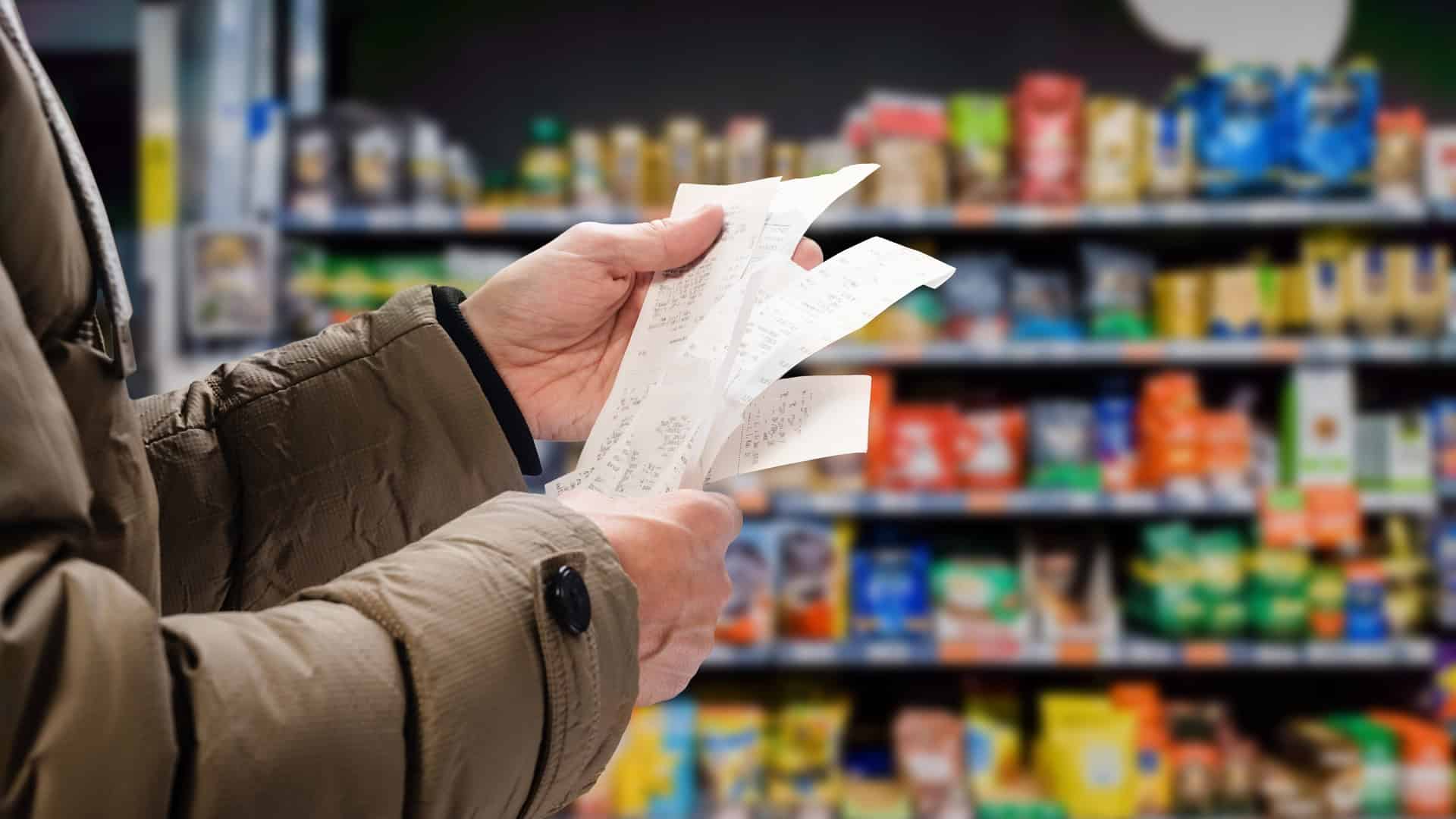
One thing that hasn’t changed is the underlying issue. Food prices have continued to climb modestly into 2025 and 2026, with increases that, while slower than peak inflation years, are still noticeable for everyday shoppers. Staples like eggs and fresh produce remain unpredictable in price, depending on supply and regional factors.
That ongoing pressure is keeping ideas like city-run grocery stores relevant. Even without major updates, the concept continues to resurface whenever grocery affordability enters the national conversation.
Other cities are watching, but not rushing
Since the idea gained traction, there hasn’t been a wave of major U.S. cities launching full-scale municipal grocery systems.
Instead, most local governments are still experimenting with smaller-scale solutions:
- Expanding food access programs
- Supporting local co-ops
- Offering incentives for private grocers in underserved areas
The hesitation largely comes down to cost and complexity. Running a grocery store is expensive, and cities are still weighing whether public ownership can realistically compete with established chains.
The Baldwin example still looms large
One of the most cited real-world examples remains Baldwin, Florida, which opened a municipally run grocery store after the town's last store closed.
While it initially helped fill a major gap, the store ultimately shut down in March 2024. The core issue was sustainability. Competing with large retailers like Walmart proved difficult, and maintaining consistent foot traffic was a challenge.
That case is still shaping how policymakers approach the idea. It’s often used as a cautionary example when discussing whether cities can successfully operate grocery stores in the long term.
Food insecurity is keeping the idea relevant
Food insecurity remains a major factor driving the conversation. In New York, for example, just over 1 in 10 New York households (10.5%) experience food insecurity. That hasn’t changed in a meaningful way since the proposal first gained attention.
Because of that, the idea of treating grocery access more like public infrastructure, similar to libraries or transit, still appeals to many voters and advocates.

So what is actually changed?
The biggest update is less about action and more about pace.
- The idea is still being discussed widely
- Public interest remains steady
- No major city-run grocery networks have launched yet
- Pilot programs, if they happen, are still in early stages
In short, the momentum hasn’t disappeared, but it hasn’t translated into rapid implementation either.
What comes next
Looking ahead, the future of city-run grocery stores will likely depend on a few key factors:
Funding will be the biggest hurdle. Without clear budget approval, even small pilot programs can stall. Political support also matters. As elections and leadership priorities shift, so does the likelihood that experimental programs will move forward.
And finally, real-world testing will be critical. If a major city successfully launches even a single sustainable municipal grocery store, it could accelerate the pace of others following suit.
Why this matters
This isn’t just about one proposal in one city. The broader question is whether access to affordable food should remain primarily a private-sector responsibility or be provided by governments.
That debate is still unfolding. And even without major updates, the idea of city-run grocery stores has already shifted how people think about food access.
Leave a Reply