
Butter has always been a staple, but it is rarely made at home. It shows up wrapped in paper, already salted or unsalted, and ready to go. That convenience has slowly pushed the process out of sight. Yet butter is one of the simplest foods to make, relying on nothing more than one ingredient and time.
Long before refrigerators and grocery aisles, butter was made by hand in kitchens and farms everywhere. Cream was churned or stirred until it transformed. That process has not changed much. What has changed is how little people realize how accessible and easy it still is to make.
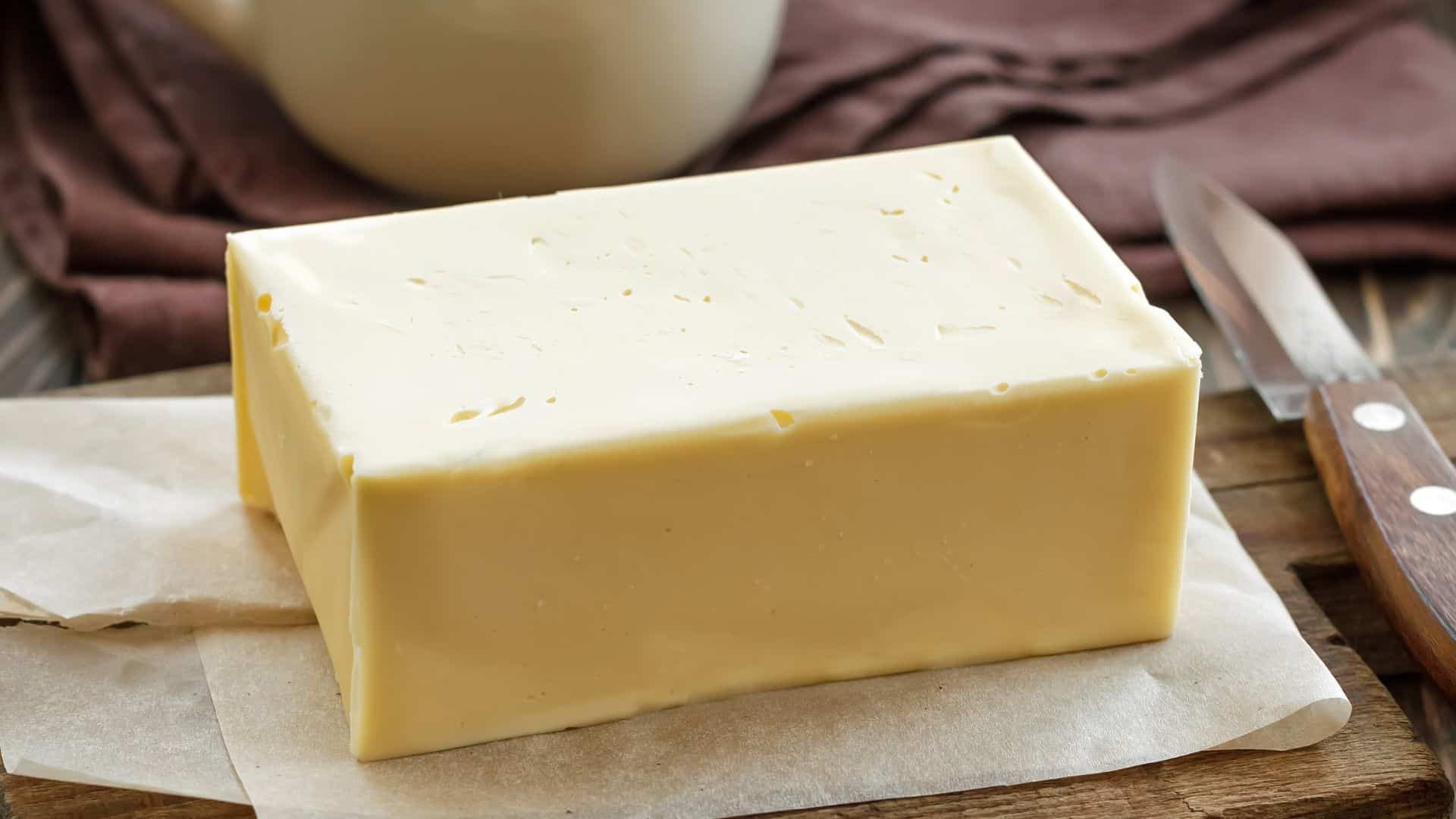
Learning how to make butter at home is not a novelty or a craft project. It is a practical technique that uses tools most kitchens already have and produces a result that is familiar yet noticeably fresher. The good news is that it's possible to make homemade butter using a jar, mixer, or even a food processor. Churning for hours is no longer needed.
The single ingredient
Butter relies on heavy cream. Not milk. Not half-and-half. The cream needs enough fat to separate when agitated; that fat becomes butter.
As the cream is mixed, the fat molecules collide and stick together. At first, the cream thickens into whipped cream. With continued agitation, it goes past that stage. The texture breaks, the liquid separates, and the butter starts to form. There will be liquid on top; it's buttermilk, which is great to save and use in other baking recipes.
This shift can feel abrupt if you have never seen it happen. One moment, the cream looks overworked and grainy, and the next, it clearly splits. That moment is the signal that butter has formed.
Making butter at home is not a lost skill so much as a forgotten one. The method still works because the ingredient has not changed.
Rinsing and shaping
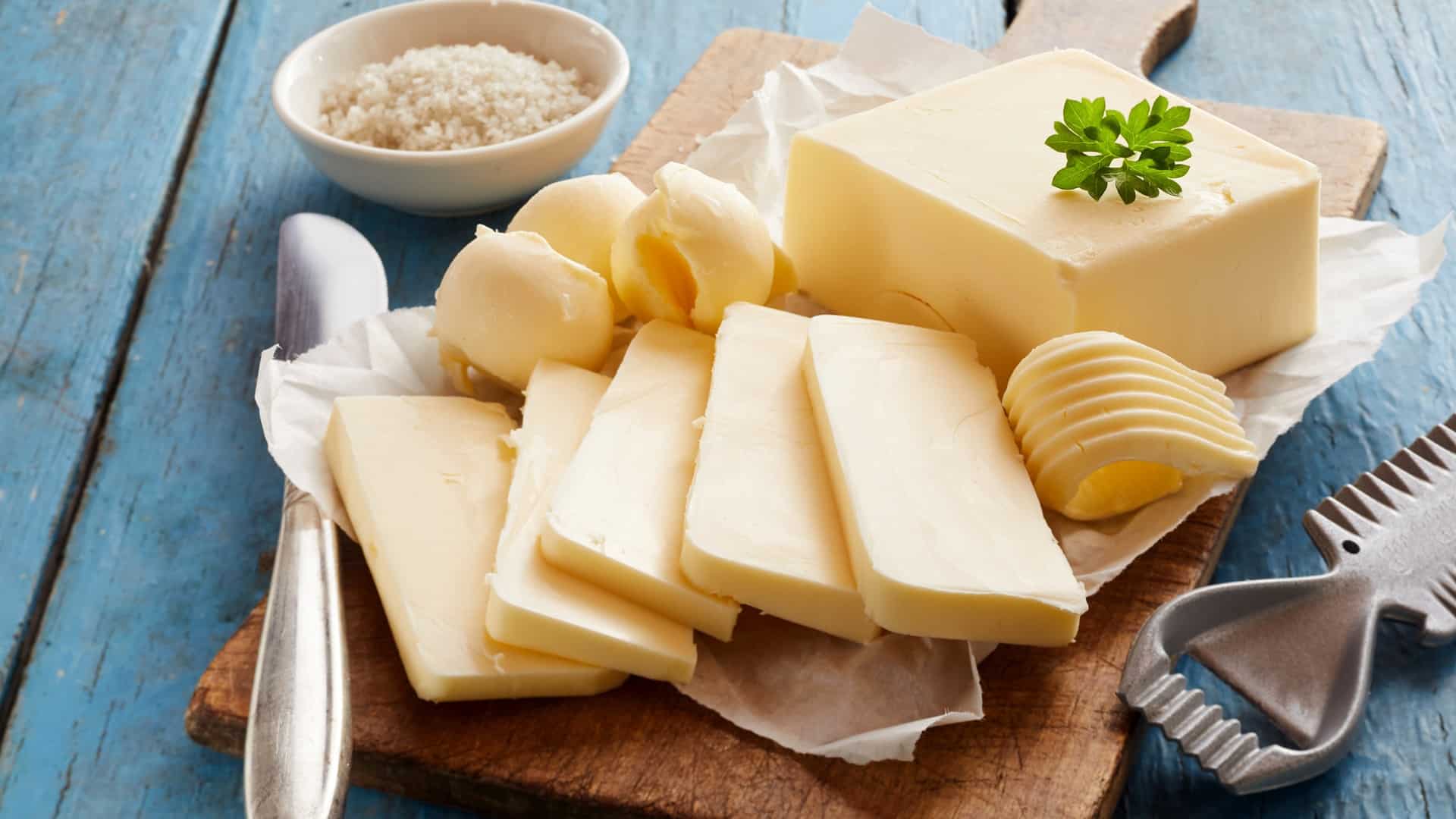
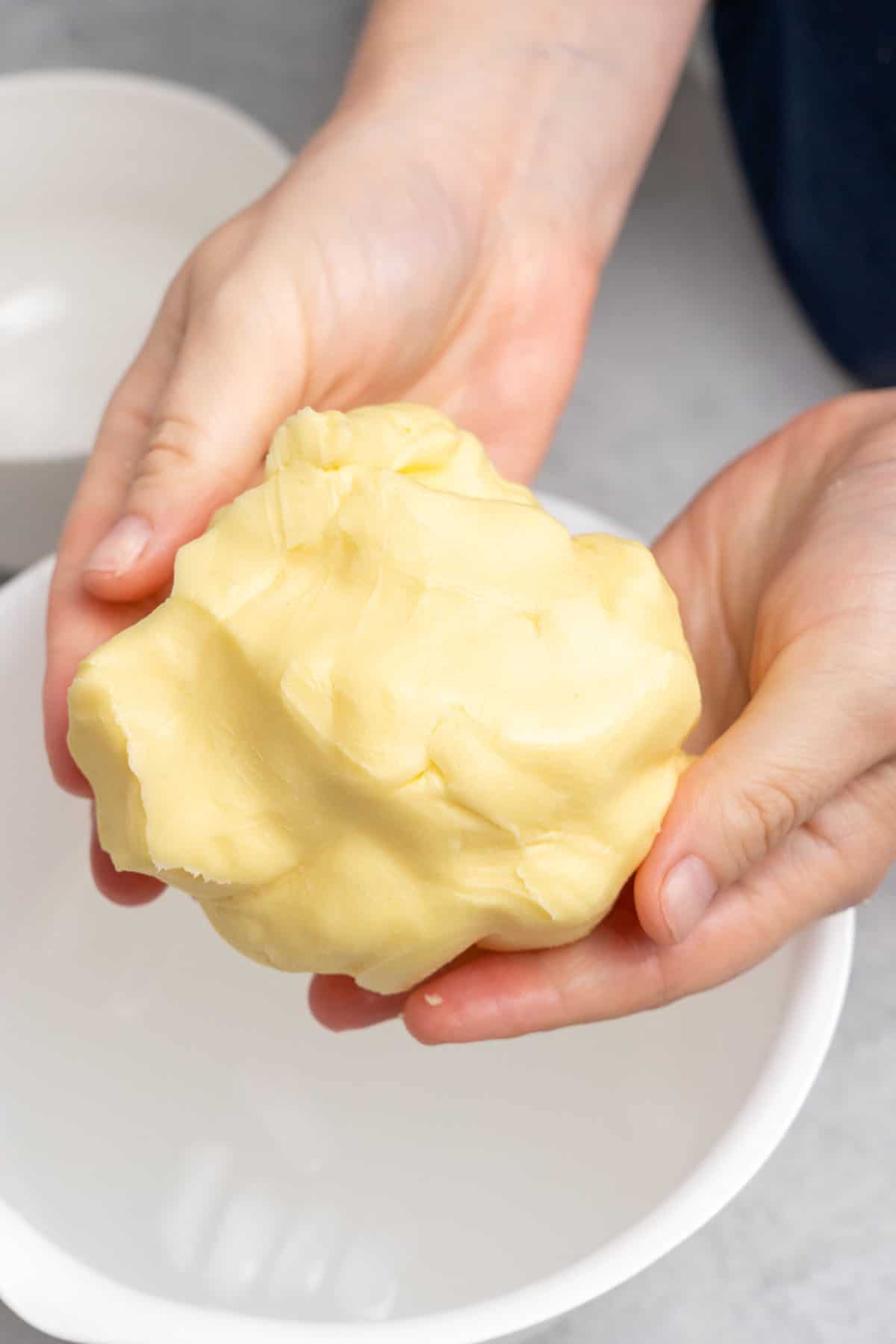
Once the butter is formed, it's good to place it in a bowl of ice water. This step removes remaining buttermilk, which helps the butter last longer and improves flavor.
The butter is then squeezed to remove excess liquid. This should be done with clean hands or a spoon. At this stage, salt can be added if desired. It's optional, but it affects both flavor and shelf life.
The finished butter can be shaped into a ball, a log, or stored as-is. It will be soft at first and firm up when chilled.
The leftover buttermilk
The liquid left over after churning is real buttermilk, though thinner than store-bought versions. It can be used in baking, biscuits, or even soups.
Throwing it away without using it is such a waste. It is a usable byproduct that shows how efficient this process really is.
Flavor and texture differences
Fresh butter tastes different from most store-bought versions. It is cleaner, with a pure dairy flavor that is more noticeable when eaten plain or melted on food. The texture is often softer, especially if it has not been chilled for long.
Because homemade butter is not standardized, small variations are normal. The cream used and even how long it was churned can influence the final result. That variation is just one part of what makes it appealing.
Why people still make butter today
For some, it is about control. Homemade butter contains exactly one ingredient unless salt is added. There are no stabilizers or preservatives.
For others, it is about understanding food more clearly. Seeing cream become butter makes the process tangible. It removes the sense that butter is manufactured rather than made.
It can also be practical. When cream is close to its expiration date, turning it into butter extends its usefulness. Butter can be frozen, while cream often cannot without incurring quality loss.
Not perfect, but reliable
Butter making does not require perfection. The cream does not need to be organic or special. The timing does not need to be exact. The process is forgiving.
That flexibility is why this technique lasted so long before modern convenience foods existed. It works even when conditions are not ideal. The result may not look identical every time, but it will still be butter.
A skill worth remembering
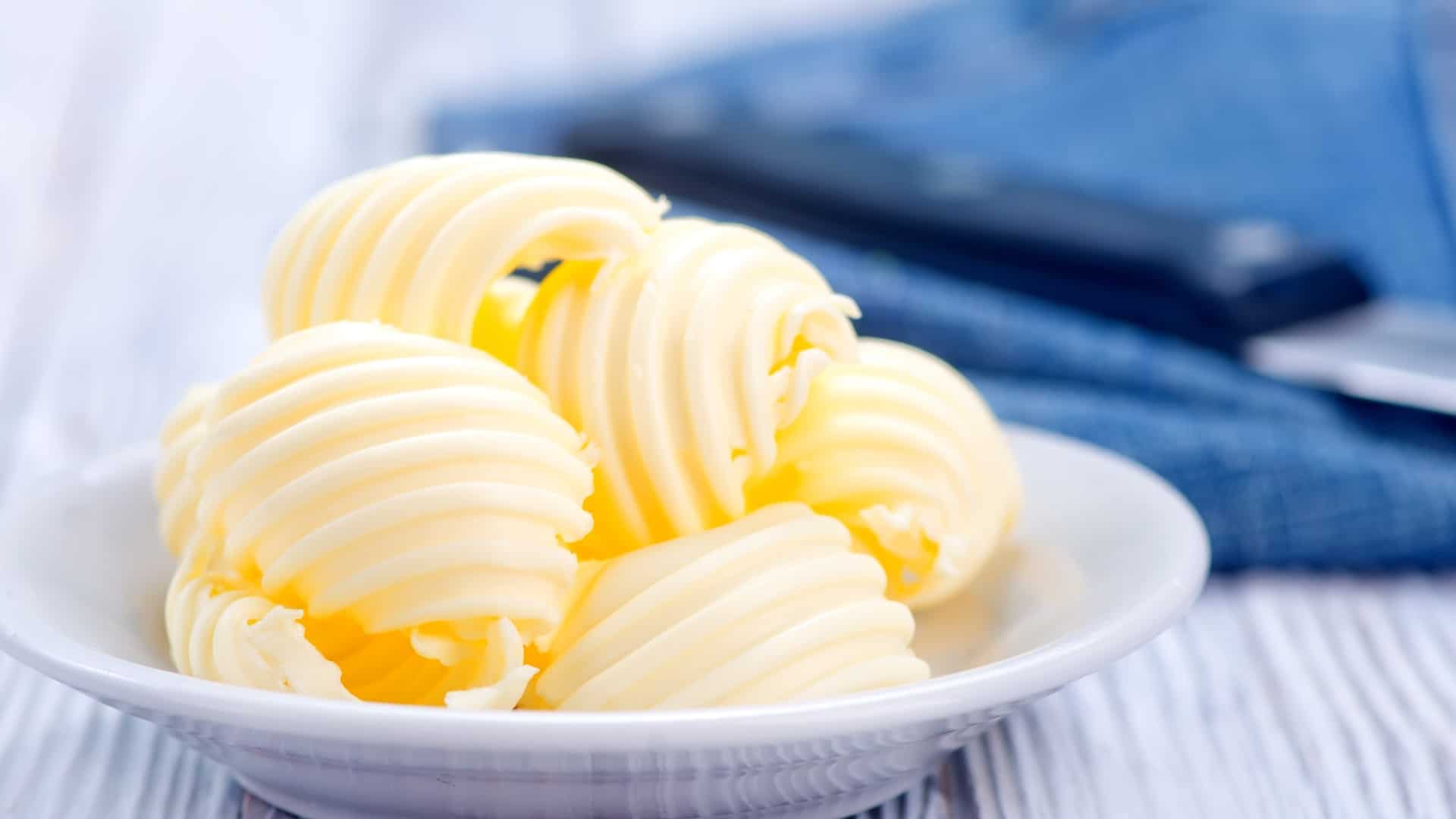
Knowing how to make butter does not mean it needs to be done all the time. It simply means the knowledge is there when needed. It reconnects a familiar food with its origin and reminds people that some staples are simpler than expected.
Butter, at its core, is not complicated. It is cream transformed through motion. That has always been true, and it still is. Making it at home does not turn back time or reject convenience. It just brings a small, practical skill back into view.
Leave a Reply