
Walking into a coffee shop can be overwhelming. The menu is long, the names are fancy, and the barista may be moving too quickly for you to ask what each drink really means. With National Coffee Day coming up on September 29, it’s the perfect time to brush up on the classics.
Lattes, cappuccinos, and flat whites often look similar in the cup, but they are very different once you understand how they’re made. Learning the basics can help you order with confidence and avoid ordering the wrong drink again.
What Sets Latte, Cappuccino, and Flat White Apart
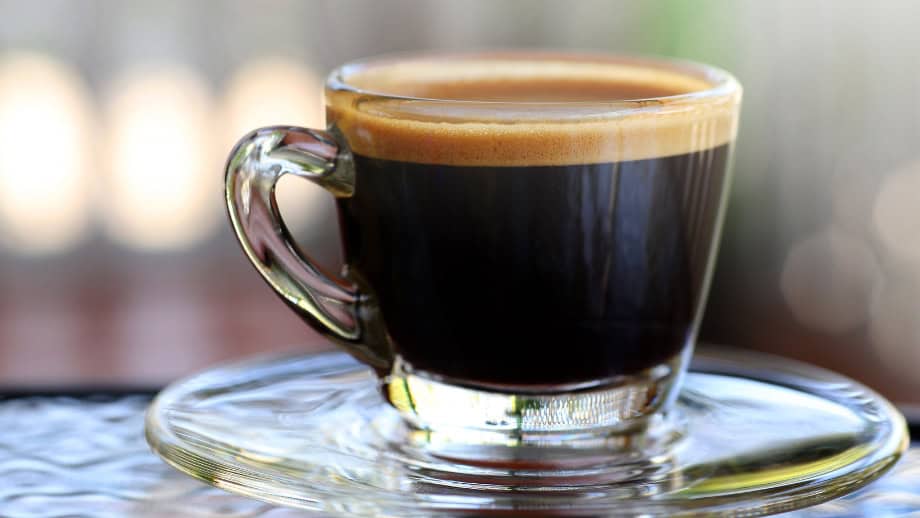
Espresso shots
All three drinks are built on espresso, but the number of shots can vary. Traditionally, lattes and cappuccinos start with a single shot, while flat whites are often made with either a stronger ristretto shot or a double shot, depending on the café. Larger cup sizes — especially in the U.S. — typically mean extra shots, which changes the flavor strength.
Cup size
Size plays a role in taste. Flat whites and cappuccinos are generally served in 5- to 6-ounce cups. Lattes, however, are larger and often run 10 ounces or more, diluting the coffee with extra milk.
Milk ratios
- Latte (1:4) – One part espresso, four parts steamed milk. Creamy, mild and smooth.
- Flat White (1:3) – One part espresso, three parts milk. Stronger flavor with a velvety texture.
- Cappuccino (1:5) – One part espresso, five parts milk. Froth-heavy, lighter-bodied and less creamy.
If you prefer a stronger coffee flavor, a flat white is often the best choice.

The Role of Foam
Foam may seem like a garnish, but it transforms the entire drinking experience. Cappuccinos are topped with a thick layer of foam, creating a lighter mouthfeel and often serving as a canvas for latte art. Lattes have a thinner layer of foam, while flat whites keep it minimal, just enough to soften the coffee’s edge.
If you are going for aesthetics, a cappuccino is the way to go. Baristas have elevated cappuccino art over the past few decades.
Calories and Nutrition
Because the milk ratio differs, so do the calories. Flat whites, with less milk, are usually lower in calories compared to lattes. A cappuccino falls in the middle, though foam contains less liquid milk than steamed portions, making it lighter than it appears.
When not to order a cappuccino
In Italy, cappuccinos are considered a breakfast drink. Locals usually enjoy them only in the morning, often paired with a pastry, and rarely order them after about 11 a.m.
While cafés in the United States and elsewhere will serve a cappuccino at any time, if you want coffee later in the day in Italy, an espresso or macchiato is a more typical choice.
Other Popular Coffee Drinks

If a latte, cappuccino, or flat white doesn’t sound like your style, coffee menus still offer plenty of other choices. Each drink has its own balance of espresso, milk, and flavor.
- Espresso – A concentrated shot made by forcing hot water through finely ground coffee. Served without milk, it’s the purest expression of coffee flavor.
- Americano – An espresso diluted with hot water. It has a strength and body closer to drip coffee but with the rich taste of espresso. Some add a splash of milk or cream.
- Macchiato – An espresso “marked” with a touch of steamed milk or foam. The ratio is close to 1:1, which results in a strong coffee flavor with only a hint of creaminess.
- Mocha – Espresso blended with steamed milk and chocolate syrup or cocoa powder. Typically, a 1:2 coffee-to-milk ratio is rich, sweet, and dessert-like.
- Café au Lait – Brewed coffee mixed with an equal part of steamed milk. Stronger than a latte but still smooth and creamy.
- Cortado – Equal parts espresso and steamed milk. Similar to a macchiato but with more milk, which makes the flavor more balanced and less intense.
- Ristretto – A shorter, more concentrated espresso shot that uses less water. Stronger and bolder than a standard espresso.
Additional styles of coffee
Nitro Coffee – Cold brew infused with nitrogen gas.
Lungo – The opposite of a ristretto. A “long” espresso shot that uses more water.
Affogato – A dessert drink where a scoop of ice cream or gelato is “drowned” with a hot shot of espresso.
Flat White Mocha – A hybrid that combines the velvety milk of a flat white with added chocolate, similar to a lighter mocha.
Cold Brew – Coffee steeped in cold water for 12 to 24 hours. Naturally smoother and less acidic, it is often served over ice with or without milk.
Takeaway
At their core, lattes, cappuccinos, and flat whites use the same ingredients, but the differences in espresso strength, milk ratio, and foam make each one unique. A flat white highlights bold coffee flavor, a latte offers creamy balance, and a cappuccino delivers frothy texture and visual flair. Beyond these staples, cafés serve dozens of other espresso-based drinks, each with its own tradition and taste. Understanding the basics takes the guesswork out of ordering and helps you enjoy every cup with confidence.
Leave a Reply