Key Points
- A Reddit user shared her frustration about her parents, who won't toss expired food, no matter how old it gets.
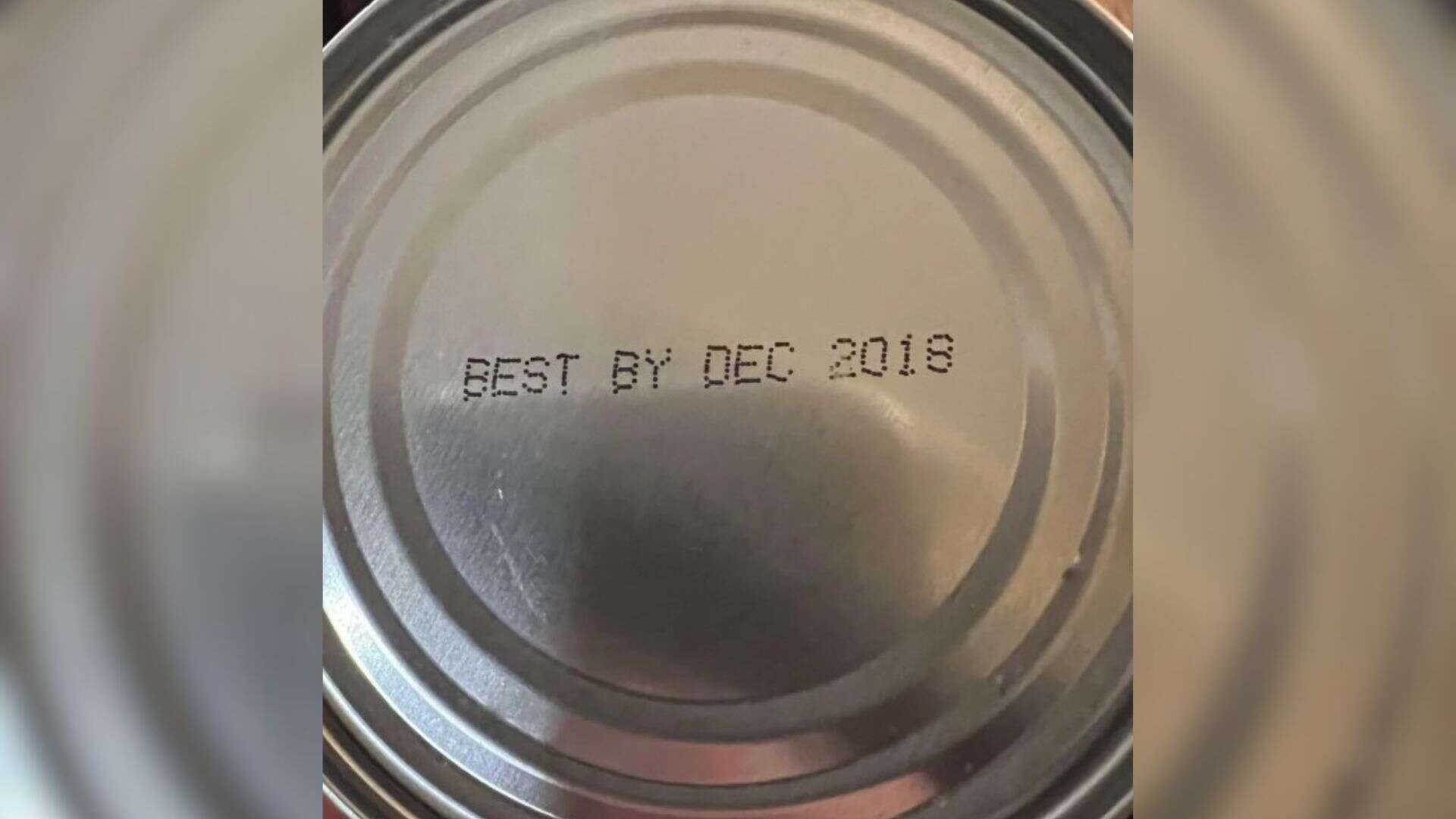
- Some of the food in their house is years past its expiration date, but her parents still cook with it and eat it.
- Experts say food waste can be reduced safely with proper storage, planning, and knowing the signs of spoilage.
Some families are strict about tossing food the moment the date passes, while others are determined never to waste anything, even if it’s months or years past the printed label. A woman shared her experience of having to deal with her parents, who have been keeping and even cooking food that is years old.
The Story
In the original Reddit post, a user explained how their parents absolutely refuse to throw away food, even when it is clearly past its printed expiry date. The poster admitted it “grosses me out” to see old food left in the fridge or pantry because it has potential health risks.
The discussion brought plenty of reactions. Some users defended the practice, noting that past dates don’t always mean food is spoiled:
“These things don't always go bad just because they're past the date. Simply open and smell before you use it all.”
Others said the problem isn’t necessarily the expiry date, but the behavior of parents who are keeping food for this long:
“It’s the refusal to eat the food that bothers me. Like, eat before expiration, simple.”
And then there were comments showing how extreme it can get:
“I just threw out almond milk from 2021. It was in the back of my fridge, unnoticed. I wouldn’t drink it, though.”
Are Foods Safe to Eat After the Date Passes?
Most foods don’t suddenly become unsafe the day after a date has passed. The USDA explains that most dates printed on packaging are for quality, not safety. A “best if used by” or “best before” date signals when a product will taste its freshest. It doesn’t mean the food will spoil as soon as the calendar changes. The only exception is infant formula, which has a federally required “use by” date for safety reasons.
That said, storage and handling are just as important as printed dates. Milk left out on the counter can go bad before its “sell by” date, while canned goods kept in a cool, dry place can last well beyond what’s printed. In practice, the date should be taken as a guideline, while one should notice the smell and texture of food to confirm whether it is still safe to eat.
What Is the Difference Between “Best Before” and “Expiration Date”?
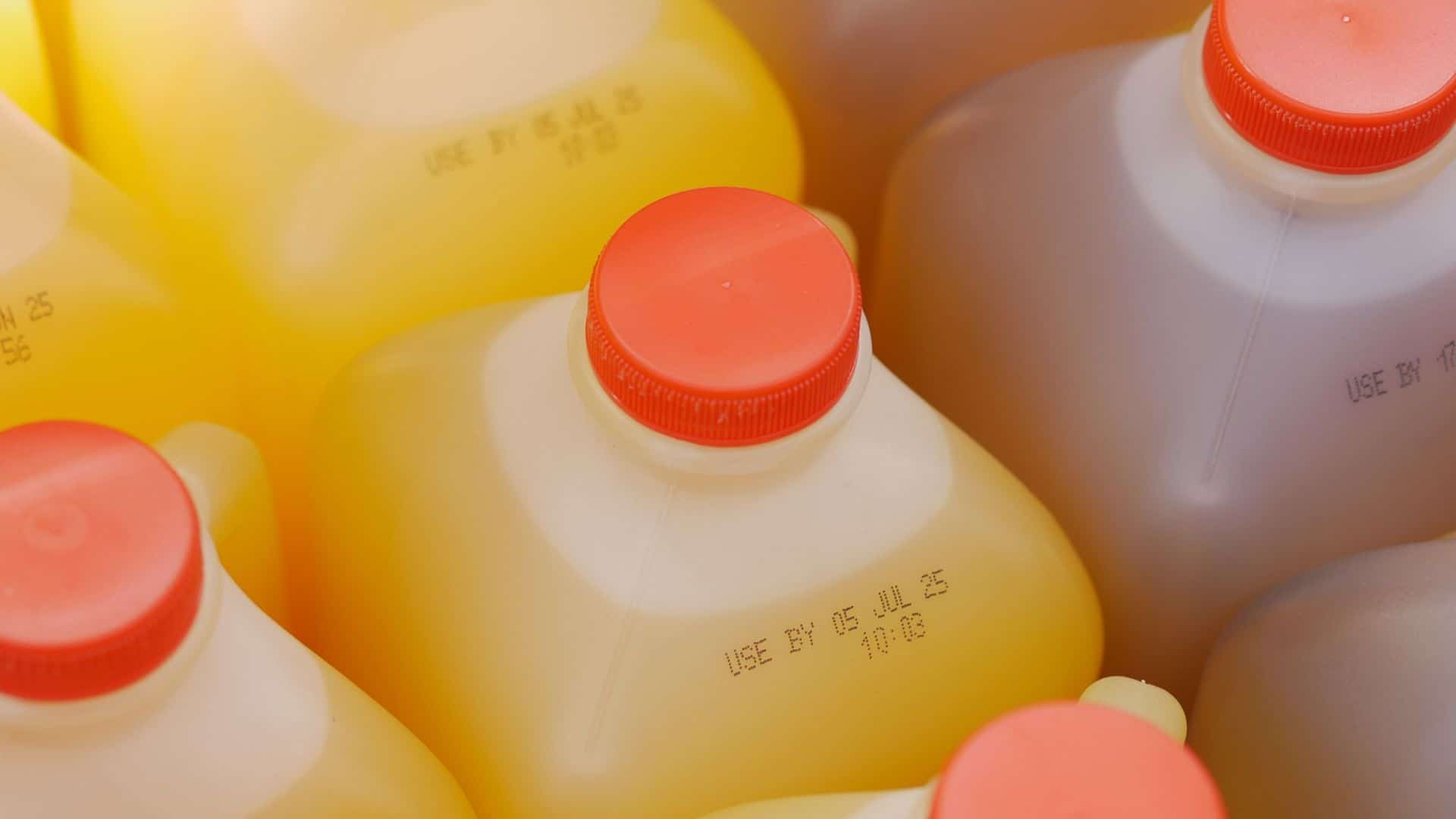
The terms on packaging may sound similar, but they carry different meanings.
- Best before date: This refers to the freshness and quality of the product. A product may taste best before this date, but it can often be safe afterward if stored properly.
- Expiration/use by date: This signals when the manufacturer no longer guarantees safety. Perishable foods like deli meat, prepared salads, and dairy products should not be eaten once they’re past this point.
Knowing the difference can help households avoid unnecessary waste and consume food while it’s still safe to do so. Tossing out a bag of pasta the day after its best-before date may not be necessary, but ignoring an expiration date on raw chicken can pose risks.
In addition,
- Sell-by date: tells the store how long to display the product for sale for inventory management.
- Freeze-by date: indicates when a product should be frozen to maintain peak quality.
How Can You Tell If Food Has Gone Bad?
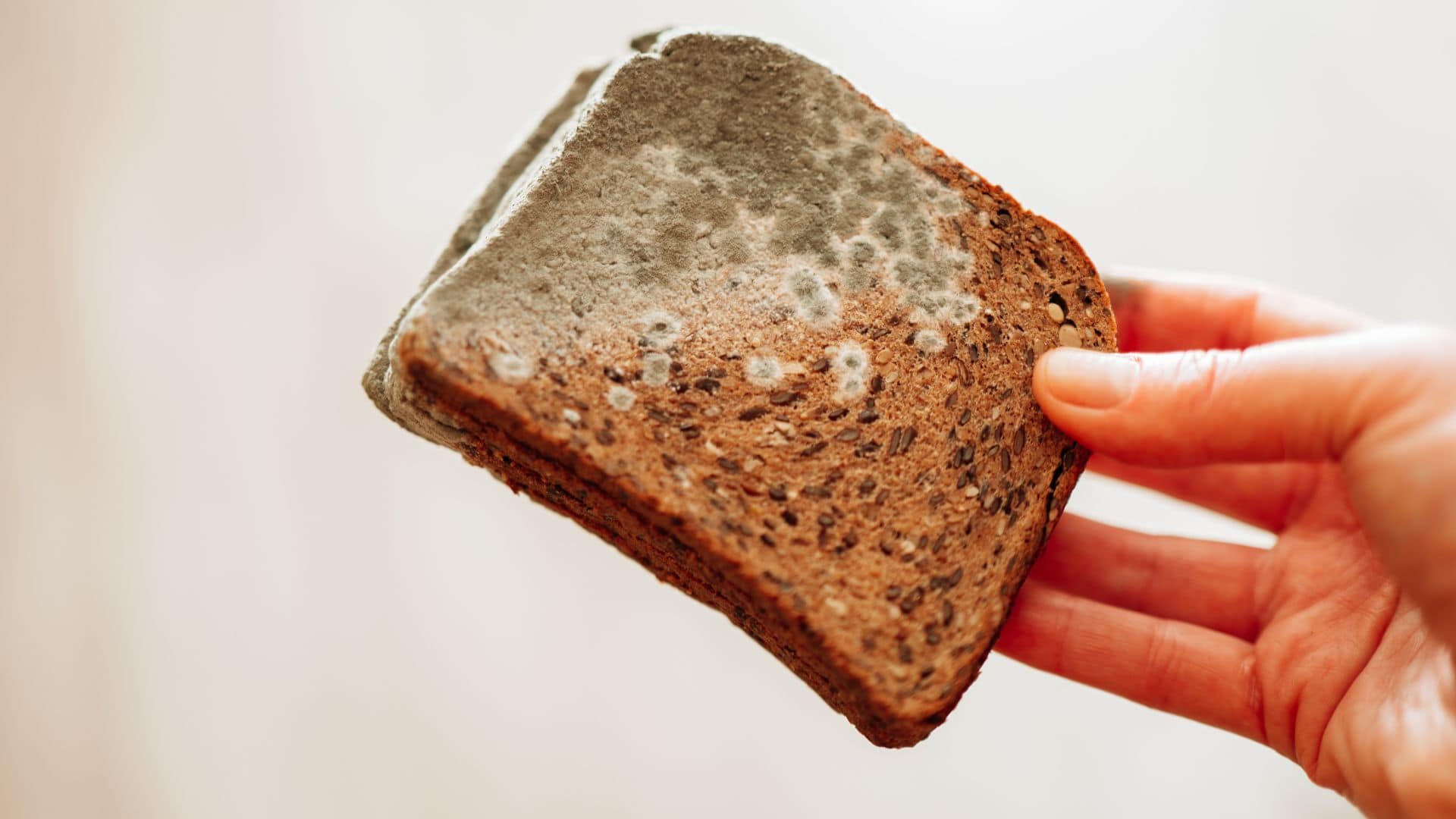
Even with dates, your senses are often the best guide. Follow these signs to know if your food has gone bad:
- Dairy: Sour smell, lumpy texture, or curdling are signs it’s no longer safe.
- Meat: A slimy surface, a change in color, or a strong odor means it should be discarded.
- Bread and baked goods: Visible mold on your bread and baked goods is a clear indication that they have gone bad.
- Fruits and vegetables: If they are moldy, infested, or rotting, throw them out.
For all other foods, if something looks or smells suspicious, it’s better to throw it away than risk getting sick.
What Are the Risks of Eating Expired Food?
The danger with expired food is that harmful bacteria may grow, sometimes without obvious signs. Salmonella, E. coli, and Listeria are among the most common bacteria, and they don’t always cause changes you can see, smell, or taste. That’s why foodborne illness often takes people by surprise.
Food poisoning can cause nausea, vomiting, diarrhea, stomach cramps, and fever. While many healthy adults recover in a few days, young children, older adults, pregnant women, and people with weakened immune systems face higher risks of serious illness.
Therefore, it’s essential always to check your food items and ensure they don’t look or smell different. If you suspect anything, don’t consume it and just throw it away.
The Takeaway

We've all been there, standing in front of the fridge, wondering if that container from a few days ago is still okay to eat. While some people feel it’s safe to eat the food if it smells fine or looks good, others just won’t touch anything that is past its expiration date. But if you are not sure about something, it’s better to get rid of the food for safety reasons.
Your health is worth more than saving a few dollars on food.
Leave a Reply