
Olive oil is often treated as the gold standard of cooking fats. It shows up in health advice and grocery lists built around “better choices.” The reputation is not random, and olive oil is often linked to overall well-being.
Still, the idea that olive oil is always the healthiest option can oversimplify how fats actually work in kitchens. The type of dish and the rest of the diet all play a role. In some cases, olive oil is a clear win, while in others, a different fat may make more sense.
Understanding that difference helps move the conversation away from one-size-fits-all advice and toward choices that actually fit how people cook and eat.
Why olive oil gets so much attention
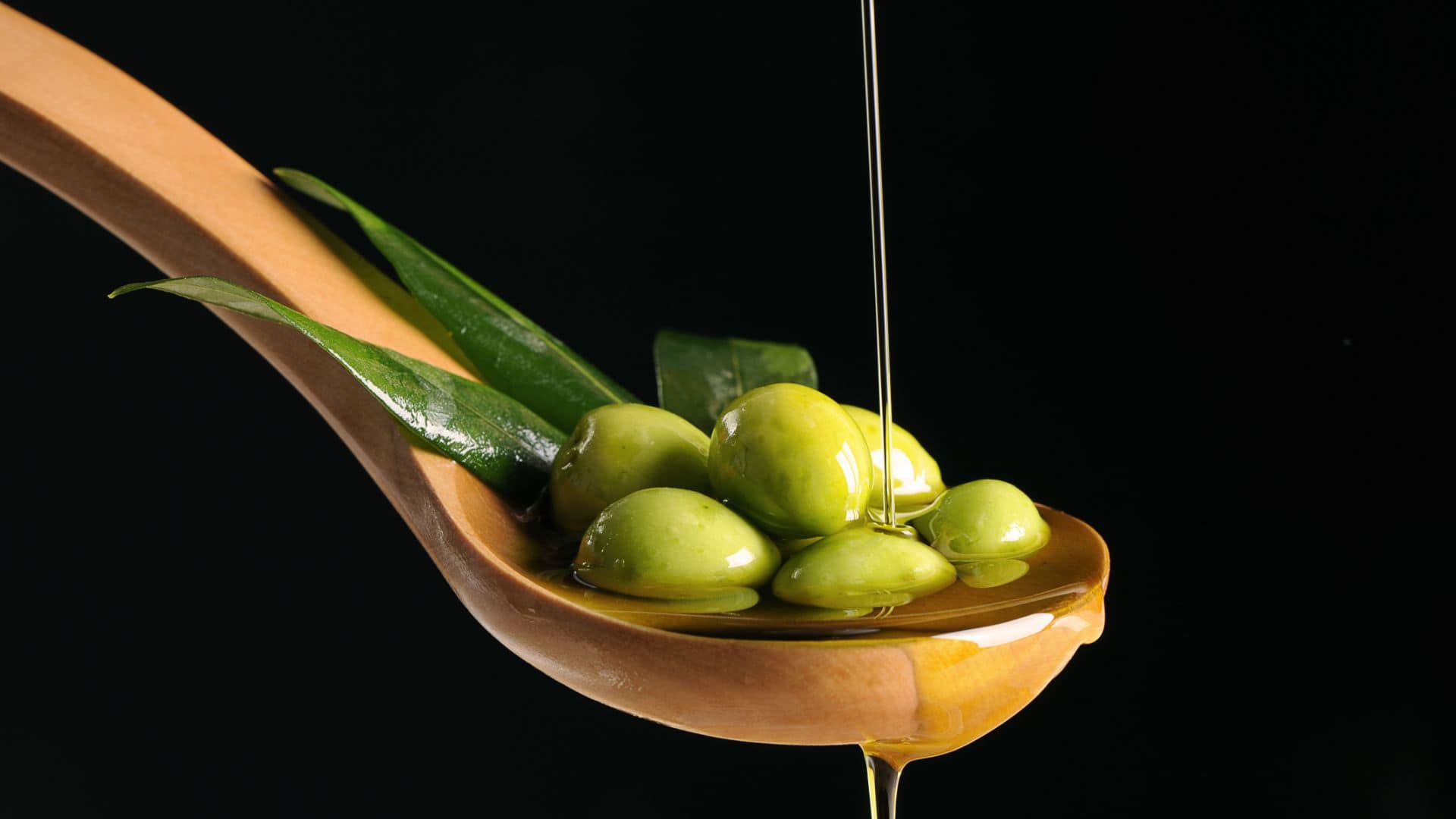
Olive oil’s health reputation is tied to its composition. It is rich in monounsaturated fats, which have been associated with improved cholesterol levels when they replace saturated fats in the diet. It also contains compounds like polyphenols, which have antioxidant properties.
Extra virgin olive oil, in particular, is processed less than refined oils and retains more of these compounds. That is one reason it is often highlighted in studies and dietary guidelines.
There is also a broader context. Diets that include olive oil, such as Mediterranean-style eating patterns, tend to include more vegetables, legumes, whole grains, and seafood. Olive oil is part of that pattern, not the only reason it is considered beneficial.
That distinction matters. Adding olive oil to a diet that is otherwise heavy in processed foods does not automatically recreate those same benefits.
Heat changes the equation
One of the most common assumptions is that olive oil works for every type of cooking. In practice, temperature matters.
Extra virgin olive oil has a lower smoke point than refined oils. When oil is heated past that point, it can start to break down, affecting both flavor and stability.
For everyday cooking, such as sautéing vegetables or lightly frying eggs, olive oil performs well. The heat levels stay within a range where its structure holds up, and its flavor adds something to the dish.
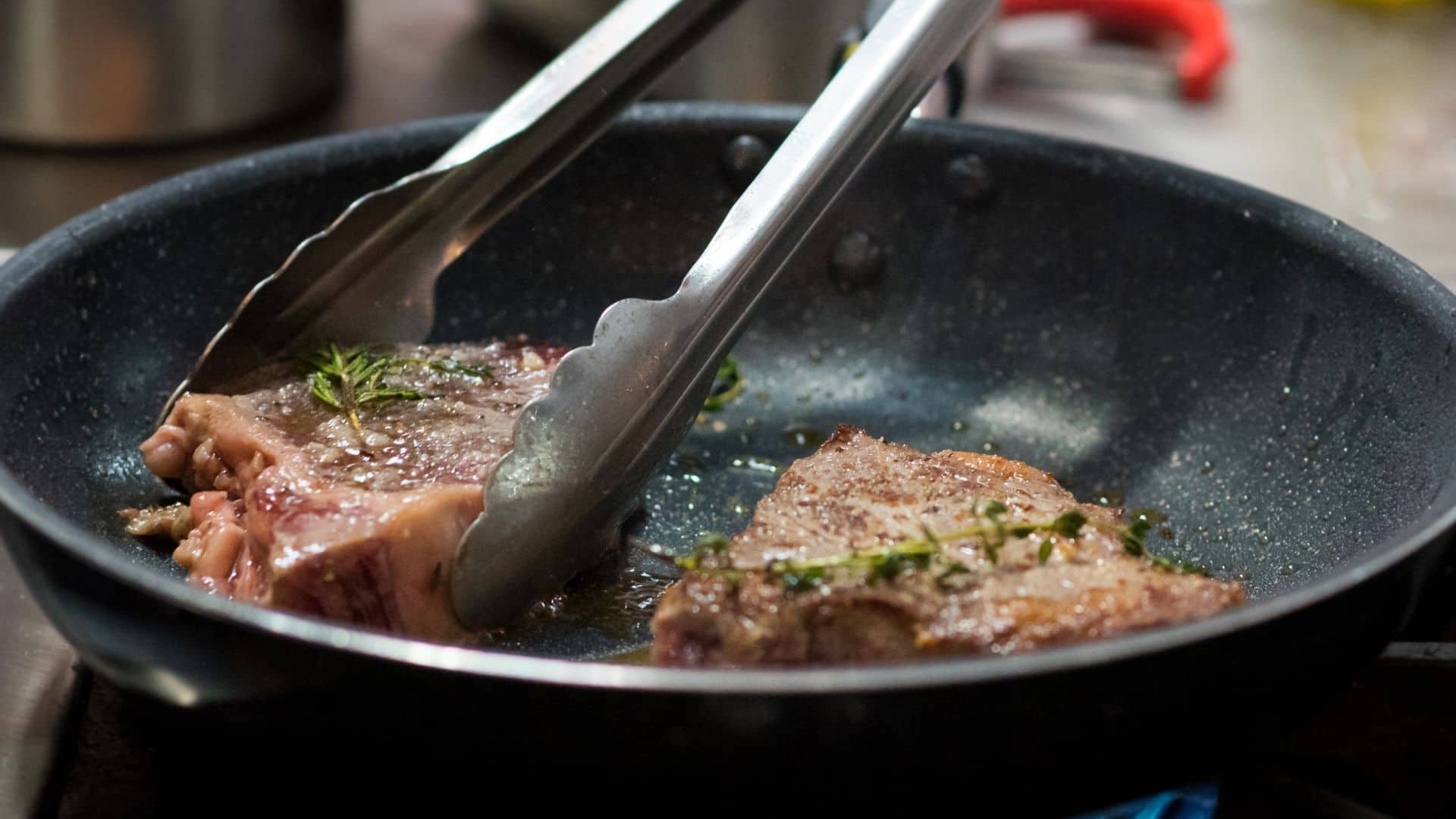
High-heat cooking is a different situation. Think of searing a steak, stir-frying at very high temperatures, or deep-frying. In these cases, oils with higher smoke points, like avocado oil or refined peanut oil, tend to be more stable.
Using olive oil in those situations is not dangerous in normal kitchen use, but it may not be the best fit. It can lead to off-flavors or a lower-quality result compared to oils designed for higher heat.
Quantity still counts
Olive oil is often labeled as “healthy fats,” which can create the impression that more is better. In reality, it is still a calorie-dense ingredient.
One tablespoon of olive oil contains about 120 calories. That adds up quickly, especially in dishes where oil is poured freely or used as a finishing touch in multiple steps.
This does not mean olive oil should be avoided. It means it works best when used with some awareness of portion size. A drizzle on roasted vegetables or a measured amount in a dressing can enhance a meal without quietly doubling its calorie load.
In some cases, switching techniques can make a difference. Roasting vegetables with a lighter coating of oil, or starting a sauté with broth before adding a small amount of oil, can shift the balance without losing flavor.
Flavor plays a role, too
Olive oil brings a distinct taste that can be a strength or a limitation, depending on the dish.
In salads and simple grain bowls, that flavor often enhances the overall result. A peppery extra-virgin olive oil can add depth to tomatoes or a slice of bread with little effort.
In other dishes, especially those with delicate or neutral flavors, olive oil can compete rather than complement. Baking is a common example. While olive oil works well in some cakes and quick breads, it is not always a substitute for butter or neutral oils without changing the final taste.
That is part of why different fats are used in cooking and baking. Each one brings a slightly different texture and flavor profile, and the best choice often depends on the dish's goal rather than on a single health ranking.
When olive oil makes sense
There are clear situations where olive oil stands out.
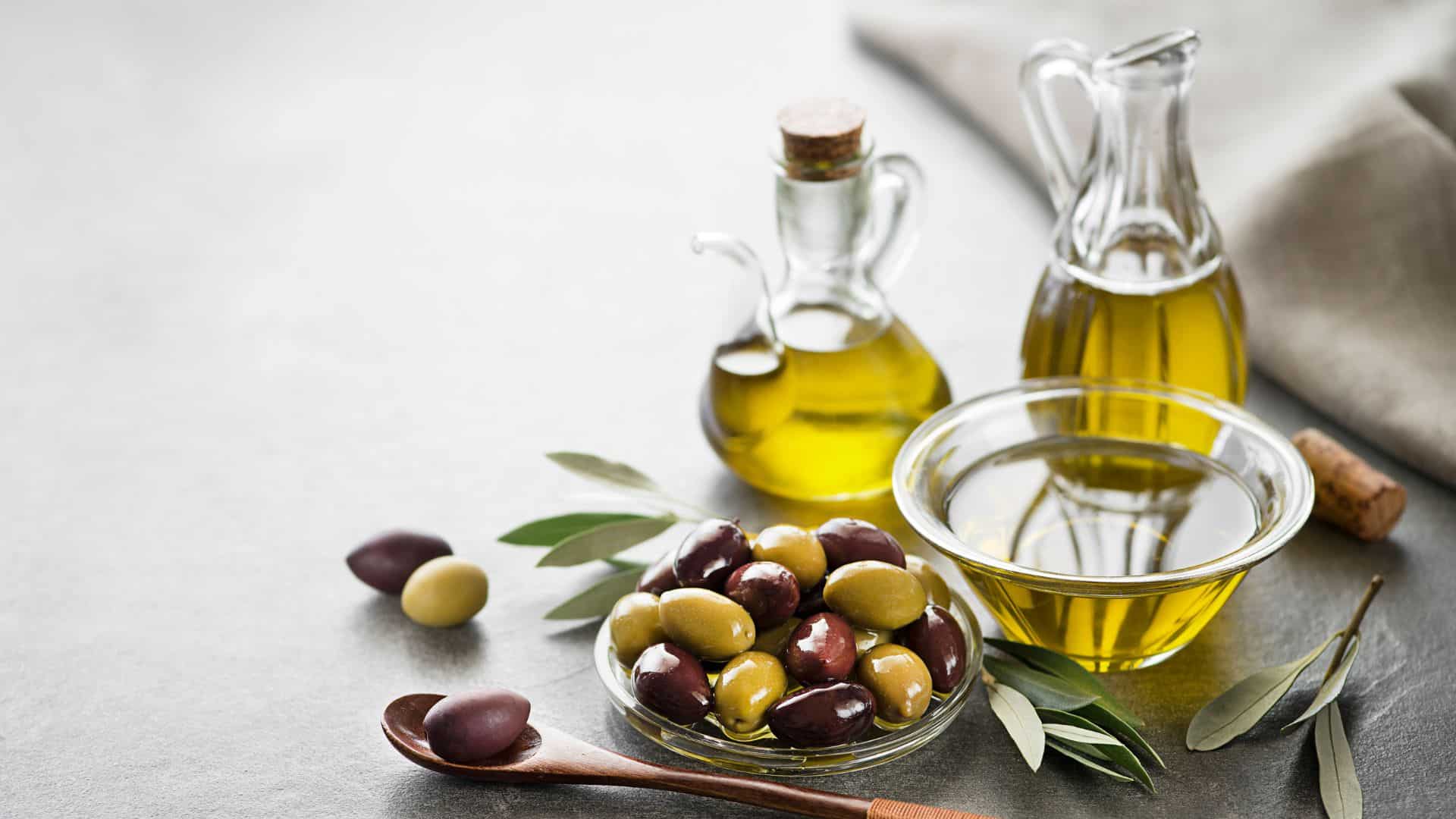
Cold uses are one of them. Salad dressings and finishing oils benefit from its flavor and less-processed nature. In these cases, the qualities that make olive oil popular are fully intact.
Moderate-heat cooking is another strong fit. Roasting vegetables or cooking grains in olive oil allows them to hold up well while still contributing flavor.
It also works well in meals that already lean toward whole ingredients. A bowl built around beans and grains can benefit from a small amount of olive oil, both for taste and for helping absorb fat-soluble nutrients.
When other fats might work better
There are also situations where olive oil is not the most practical choice.
High-heat cooking is the most obvious one, but texture can also be a factor. Butter, for example, brings a richness and structure that olive oil does not always replicate in baking. Coconut oil, while higher in saturated fat, can provide firmness in certain recipes that call for a solid fat.
Canola or sunflower oil can be useful when the goal is to let other flavors stand out without adding their own.
Even in everyday cooking, it can make sense to rotate fats rather than relying on one exclusively. That approach can help balance both flavor and nutritional variety.
The bigger picture
Focusing too narrowly on a single ingredient can miss how meals actually come together.
Olive oil can be part of a balanced diet, but it does not define it. The overall eating pattern still carries more weight than any single fat choice. Meals that include a mix of vegetables and whole foods will have a greater impact than the choice of fat used in one step.
There is also a tendency to label foods as “good” or “bad,” which can make choices feel more rigid than they need to be. Olive oil is often firmly placed in the “good” category, but that label can obscure important details about how it is used.
A more useful way to look at it is through context. The same oil can be a great choice in one dish and a less ideal one in another.

Olive oil has real benefits and earns its place in many kitchens, but it is not a universal solution. How it is used matters as much as the oil itself.
Matching the fat to the cooking method, paying attention to quantity, and keeping the overall diet in view leads to better decisions than relying on a single label.
Leave a Reply