
It’s easy to assume that hosting was simpler in the past. There’s a common image of a home-cooked meal and guests who were just happy to be invited. But that version of hosting leaves out some important context. The reality is that while certain aspects were more straightforward, others required significantly more time, effort, and planning.

Food preparation: From scratch vs. semi-prepared
One of the biggest differences between then and now is how food gets on the table.
In earlier decades, hosting typically meant cooking nearly everything from scratch. Pre-chopped vegetables and ready-made sauces were either limited or nonexistent. A dinner party might involve hours spent peeling, chopping, baking, and coordinating multiple dishes without modern appliances.
That process was time-consuming but also more standardized. Most hosts worked from a relatively small set of familiar recipes, and guests expected exactly that. A roast, a few sides, and a homemade dessert were often enough.
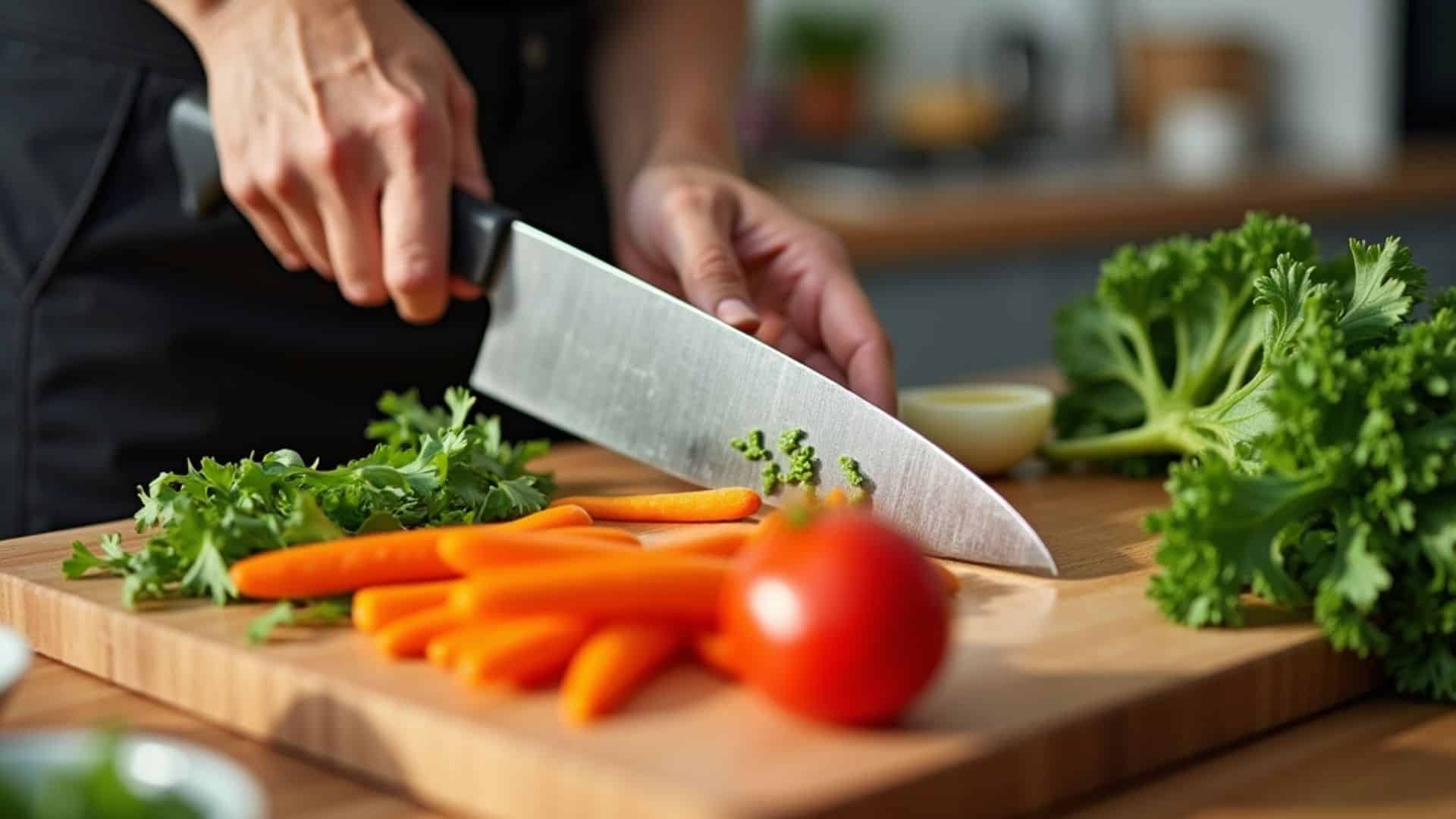
Today, the process is technically easier. Grocery stores offer everything from pre-cut ingredients to fully prepared meals that can be reheated and served. Meal kits and delivery apps have added even more flexibility, allowing hosts to outsource large parts of the workload.
But convenience hasn’t necessarily reduced effort; it has shifted it. Instead of spending all their time cooking, hosts now spend more time deciding. Should you cook from scratch or assemble? Order catering or make something yourself? Is store-bought acceptable, or does it feel like cutting corners?
The options are wider, but that also creates more pressure to make the “right” choice.

Grocery availability and quality
Shopping for a gathering has also changed in many ways.
In the past, grocery selection was more limited and often seasonal. If you were hosting in winter, your menu reflected what was available. Out-of-season produce, or specialty ingredients, could be difficult to find.
That limitation simplified planning. You cooked what was available, and guests didn’t expect much beyond that.
Today, most supermarkets carry a wide range of ingredients year-round. Specialty stores and online ordering make it possible to source nearly anything, from niche spices to imported cheeses. On paper, that makes hosting easier because you have more tools at your disposal.
At the same time, greater access has raised expectations. It’s no longer unusual for a host to incorporate multiple cuisines or cater to specific preferences. A simple pasta dinner might now come with questions about whether the ingredients are fresh, organic, or aligned with a particular diet.
More choice has improved quality and variety, but it has also expanded the scope of what hosting can involve.
Time constraints and modern schedules
Time is one area where hosting may genuinely be more difficult today.
In previous generations, many households operated on a single income, and one person often had more time dedicated to home tasks, including cooking and entertaining. Hosting, while labor-intensive, could be spread out over the course of a day.
Now, dual-income households are common, and schedules are tighter. Workdays extend into evenings, and weekends are often filled with other commitments. That leaves less uninterrupted time to plan and execute a gathering.
Convenience tools like slow cookers or air fryers help offset this, but they don’t fully replace the time required to coordinate everything. Even something as simple as syncing schedules for a dinner party can be more complicated than it used to be.
The result is a shift in how hosting is approached. Instead of being an integrated part of daily life, it often becomes an event that requires careful scheduling and efficiency.
Social expectations then and now
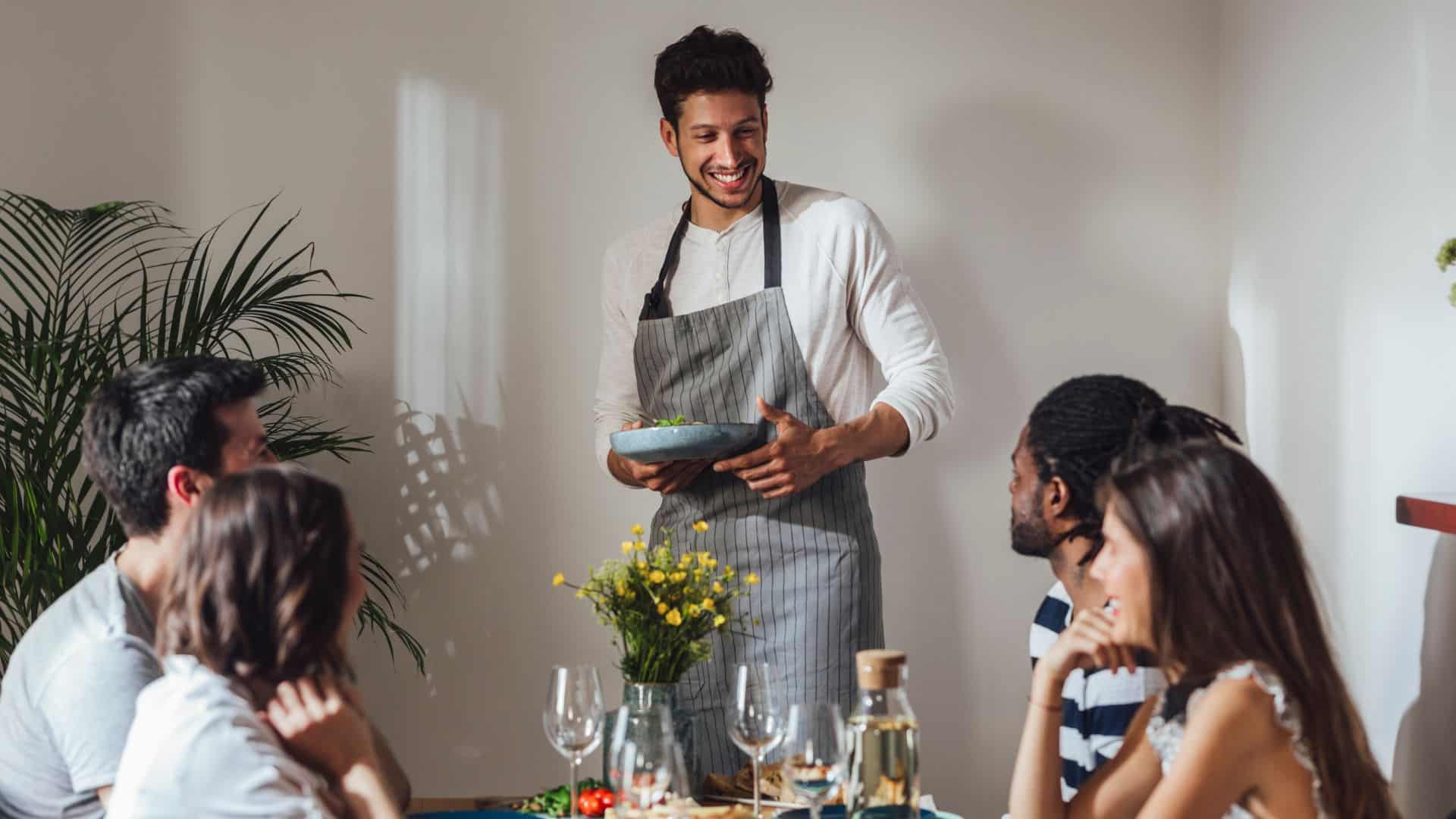
Expectations around hosting have changed in ways that are less tangible but equally important.
In the past, hosting standards were often more uniform. There was a shared understanding of what a dinner gathering looked like, and deviations from that norm were less common. Guests typically didn’t expect a highly customized experience.
Today, expectations are more individualized. Dietary restrictions and lifestyle choices play a huge role. A host might need to consider vegetarian, gluten-free, dairy-free, or allergy-friendly options within the same meal.
There is also a bigger focus on presentation. Table settings and overall atmosphere are more visible and scrutinized because they are shared online.
Social media has amplified this effect. Platforms like Instagram and Pinterest have turned hosting into something that can be documented and compared. A casual dinner can quickly start to feel like something that should be styled and curated.
This doesn’t mean every host feels that pressure, but the baseline has shifted. Even informal gatherings can carry an unspoken expectation to look polished.
So, was it actually easier?
The answer depends on how you define “easier.”
From a purely practical standpoint, hosting today is more efficient. Access to ingredients and services has reduced the amount of labor required to prepare a meal. Tasks that once took hours can now be completed in a fraction of the time.
But efficiency doesn’t always translate to simplicity.
Modern hosting involves more decisions and often higher expectations. The mental load has increased, even as the physical workload has decreased.
In contrast, earlier forms of hosting required more hands-on effort but operated within clearer boundaries. There were fewer choices to make and fewer variables to manage.
For hosts today, the key may be recognizing which expectations are necessary and which are self-imposed. The ability to simplify still exists. It just requires a more deliberate approach.
Leave a Reply