
The advice to "drink more water" has been repeated so many times it has practically lost all meaning. We know. We're trying. But here's what most people don't realize: a significant portion of our daily fluid intake comes not from what we sip, but from what we eat. And in summer, when we're sweating more, moving more, and spending longer hours in the heat, that distinction matters a great deal.
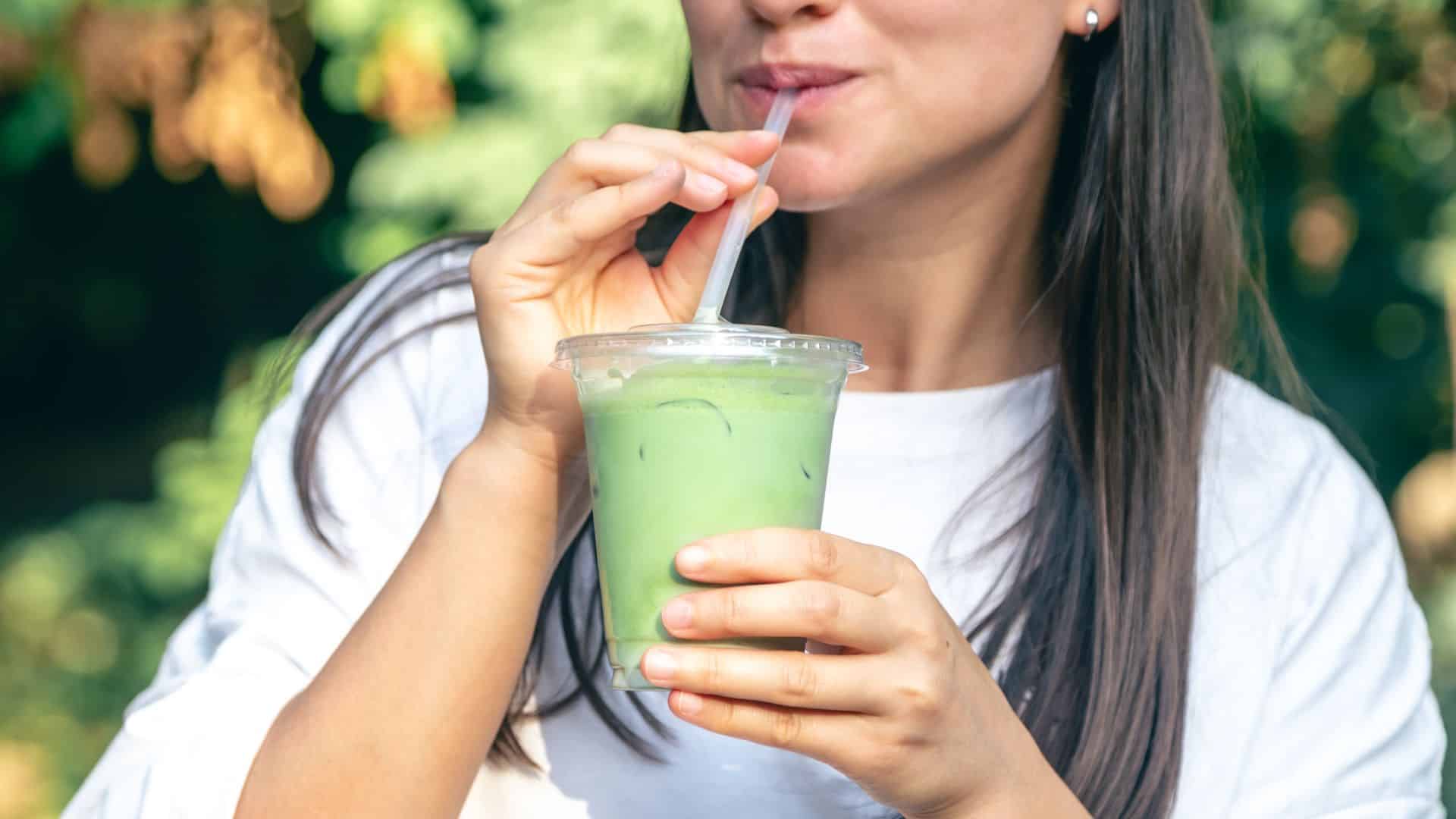
Dehydration doesn't always announce itself dramatically. More often, it creeps in quietly: a dull headache around 3 pm, a sudden craving for something you can't name, skin that looks a little less alive than usual. Before you reach for yet another glass of water you'll probably forget about, consider loading your plate with foods that do double duty, nourishing you and keeping you properly topped up at the same time.that
These aren't obscure health-food-store finds. Most of them are at peak season right now, available at any market, and frankly, at their most flavourful. Here are six hydrating foods worth eating every single day this summer.
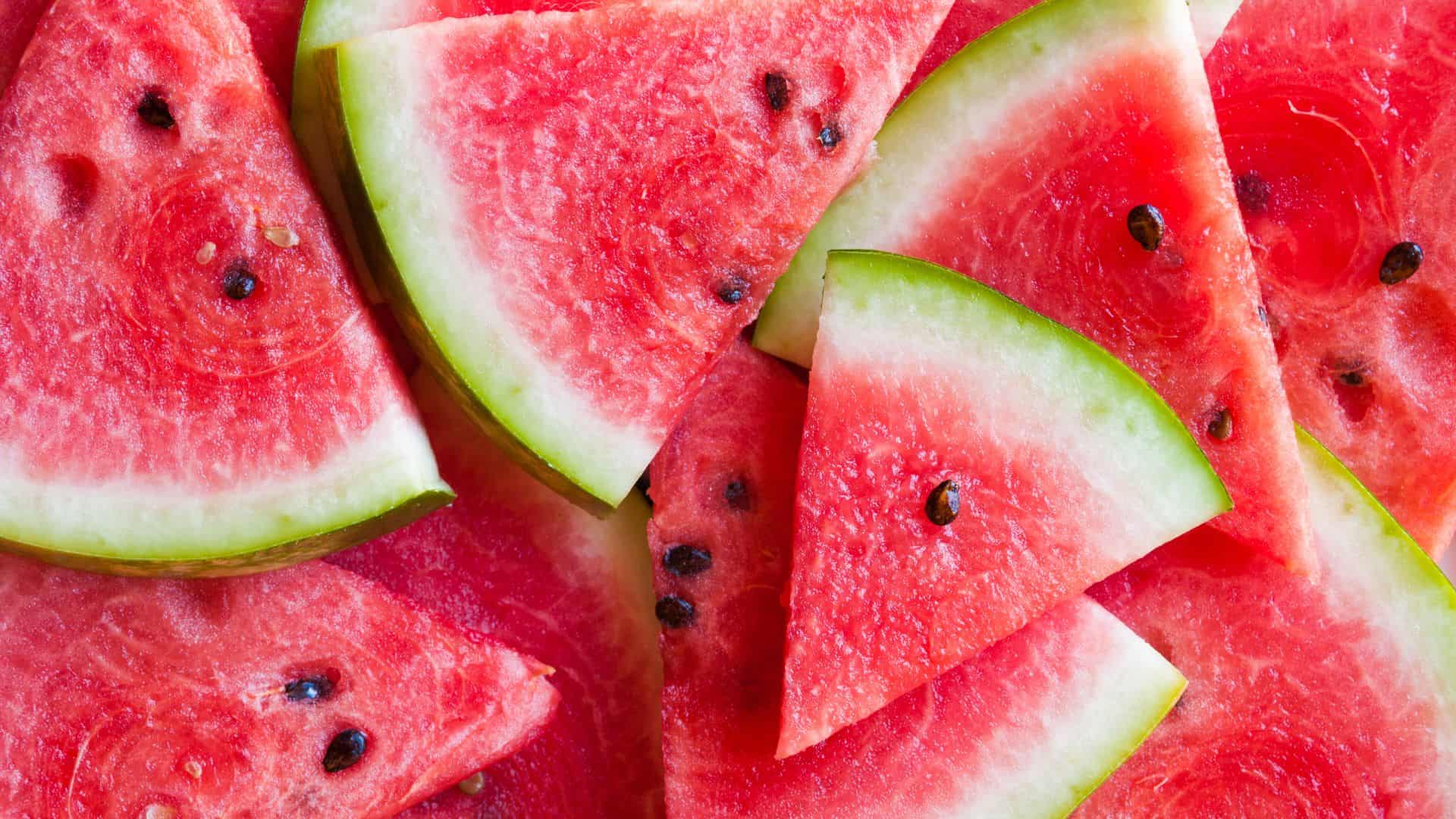
Watermelon
It's almost too obvious, but there's a reason this fruit has become synonymous with summer. Watermelon is one of the most water-dense foods, and it tastes like summer in a way that nothing else quite replicates.
How to eat it: The classic wedge still works, but try cubing it and tossing it with torn fresh mint, flaky sea salt, and a squeeze of lime for something that feels far more considered. It also blends beautifully into an agua fresca with just water and mint or pairs with crumbled feta in a salad that hits every note: sweet, salty, cooling, all at once.
Cucumber
Cucumber is essentially a crunchy glass of water, mild enough to go with almost anything and substantial enough to feel like real food. It's one of those ingredients that does a lot: cooling, refreshing, and endlessly versatile without demanding much attention.
How to eat it: Slice it thin and layer it on sourdough with whipped ricotta and dill. Dice it into a cold Greek salad. Or do what I do on truly sweltering days: blend it with yoghurt, garlic, and a splash of cold water for a quick chilled soup that takes about four minutes and is genuinely restorative.
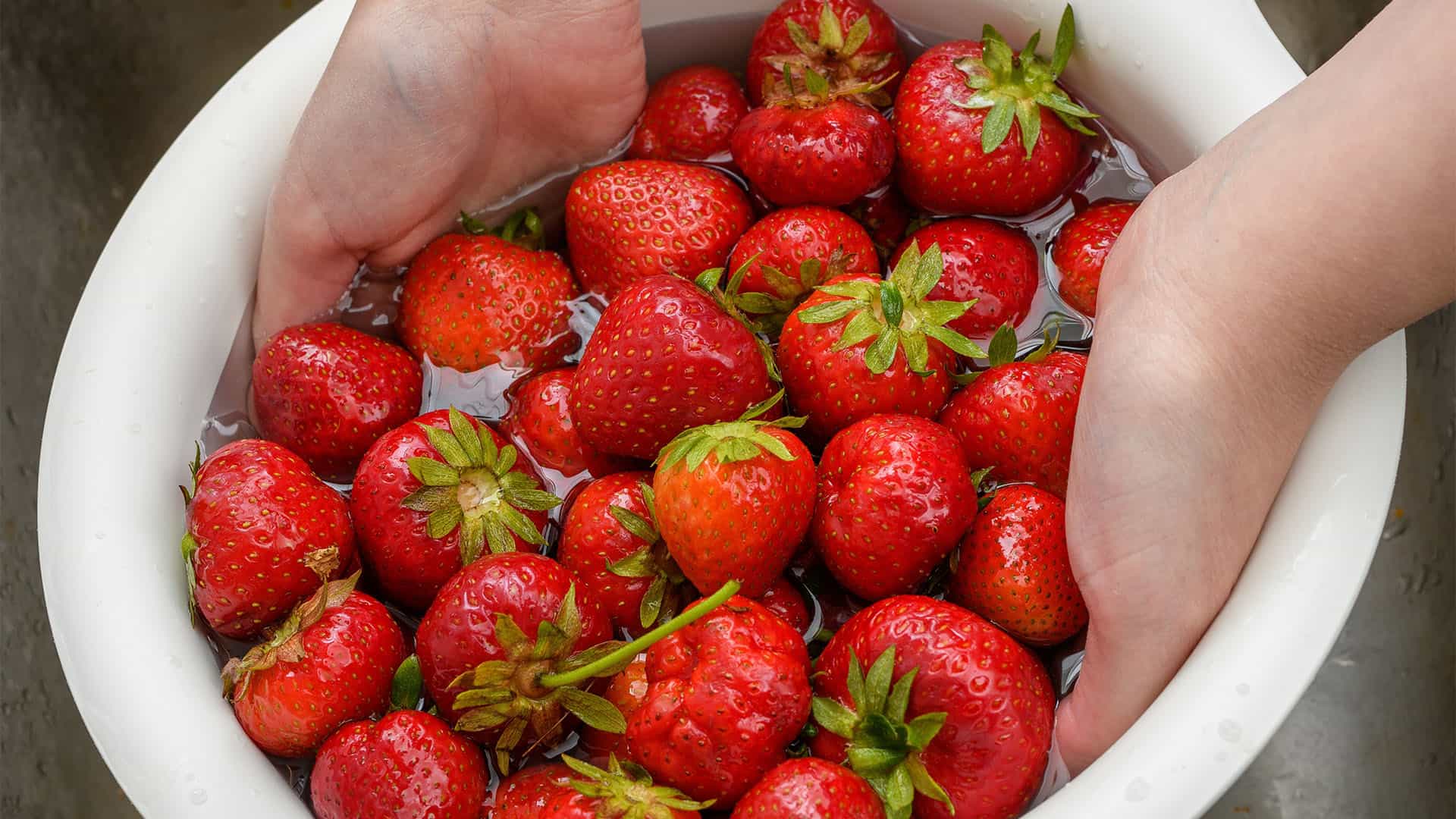
Strawberries
Strawberries surprise people. They seem too sweet, too indulgent, to be doing anything useful for hydration. But the ones bought at a farmers' market in June are a different food entirely from the pale, imported ones that show up in winter.
How to eat it: Eat them as they are, still slightly warm from the sun. Slice them over Greek yogurt with a drizzle of balsamic reduction. Or macerate them overnight with a little sugar and lemon zest, then spoon the syrupy result over pancakes, ice cream, or anything else in reach.
Lettuce
Lettuce gets underestimated, but darker varieties like romaine, butter lettuce, and little gem are doing serious work to keep you hydrated on a long, hot day.
How to eat it: Don't just default to salad. Use large butter lettuce leaves as wraps filled with pulled chicken, avocado, and a spoonful of mango salsa. Or char romaine halves on a hot griddle pan, drizzle with Caesar dressing, and serve as a side that feels unexpectedly substantial.
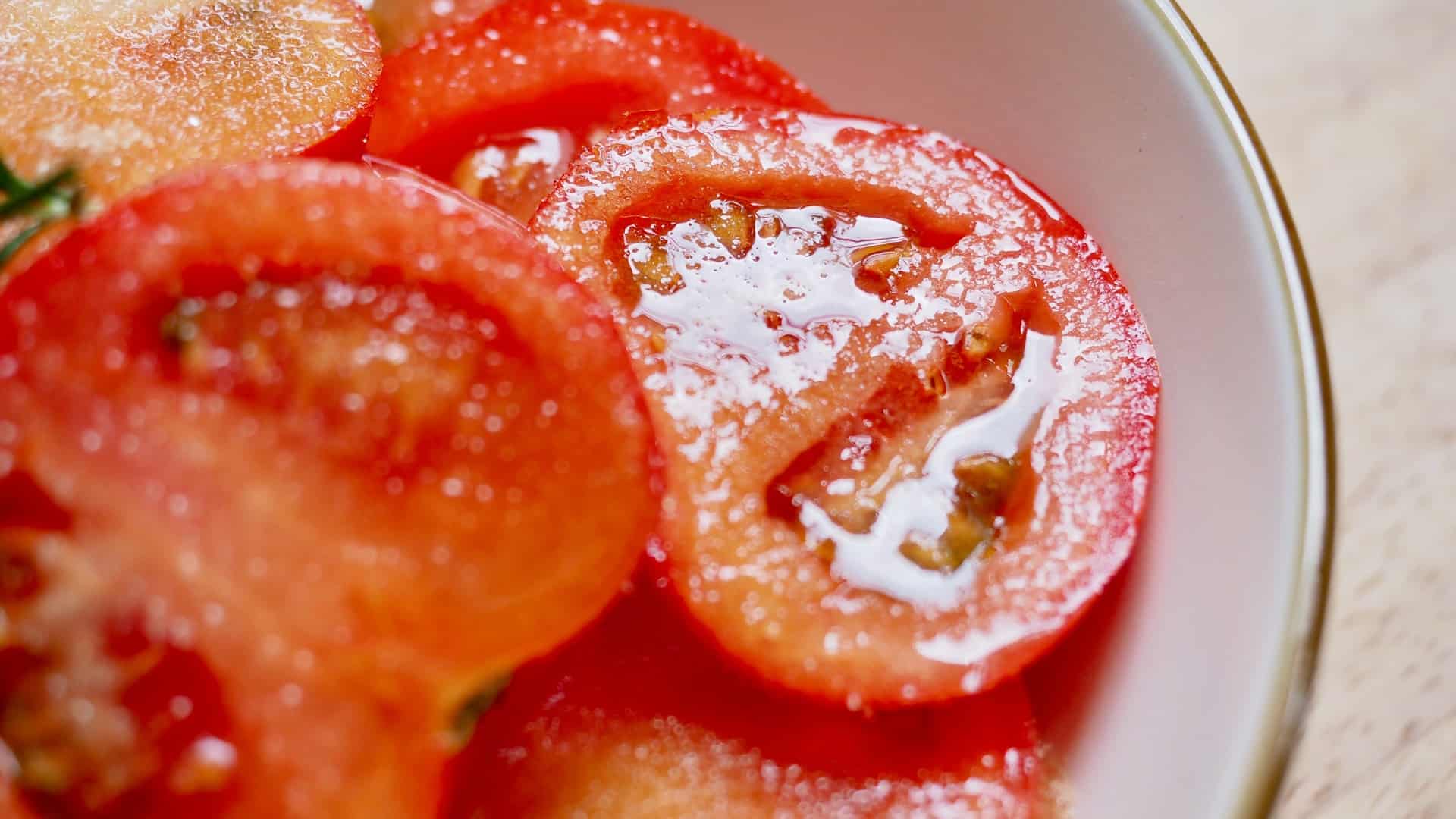
Tomatoes
A ripe summer tomato is one of those seasonal arguments that makes itself. The gap between an in-season tomato and an out-of-season one is enormous, and June through August is when you buy them without hesitation, eat them constantly, and remember why food writers won't stop talking about them.
How to eat it: Thick slices with good olive oil, flaky salt, and fresh basil. That's it, that's the recipe. Or blend overripe ones into a chilled gazpacho with sherry vinegar and cucumber for something that tastes like it took effort but didn't.
Peaches
A ripe peach is one of the more straightforward pleasures of summer, and biting into one that's properly in season is proof enough that eating well and eating deliciously are not competing goals. They're also brief: the window when peaches are genuinely excellent is maybe six weeks long, so eating them now, daily, is less indulgence and more due diligence.
How to eat it: Halved and grilled on a barbecue until caramelized, served with burrata and a scattering of torn basil. Or sliced into cold sparkling water for the most effortless flavored drink imaginable. They also work brilliantly chopped into a salsa with red onion, jalapeño, and coriander alongside grilled fish.
The truth about summer hydration is that it doesn't have to be a discipline. It can be a meal plan. When the foods you're already drawn to, the watermelon at the market, the tomatoes on the windowsill, the peaches in the bowl, are also the ones keeping you properly hydrated, the whole project becomes considerably more enjoyable. Eat well, stay cool, and let your plate do some of the work.
Leave a Reply