
Household routines often run quietly in the background until something disrupts them. Differences in unspoken expectations can surface quickly when extended family shares the same roof. One recent situation became a larger question about comfort and where to draw the line when the visit ends.

The story
The question, "Am I in the wrong by throwing away about ⅓ of our pantry food after my in-laws leave?" was recently posted on Reddit. The poster went on to say that he and his wife grew up in similar living conditions, but have very different stances on food. Her family would cut off bad or moldy parts of food and eat the good parts, while his family would just throw them away.
Over the holidays, her family came to visit, and he's having a hard time eating anything they've touched. They'd double dip, stick their hands in the bags of chips, lick their fingers, touch things, and then put their hands back in the bags to grab more.
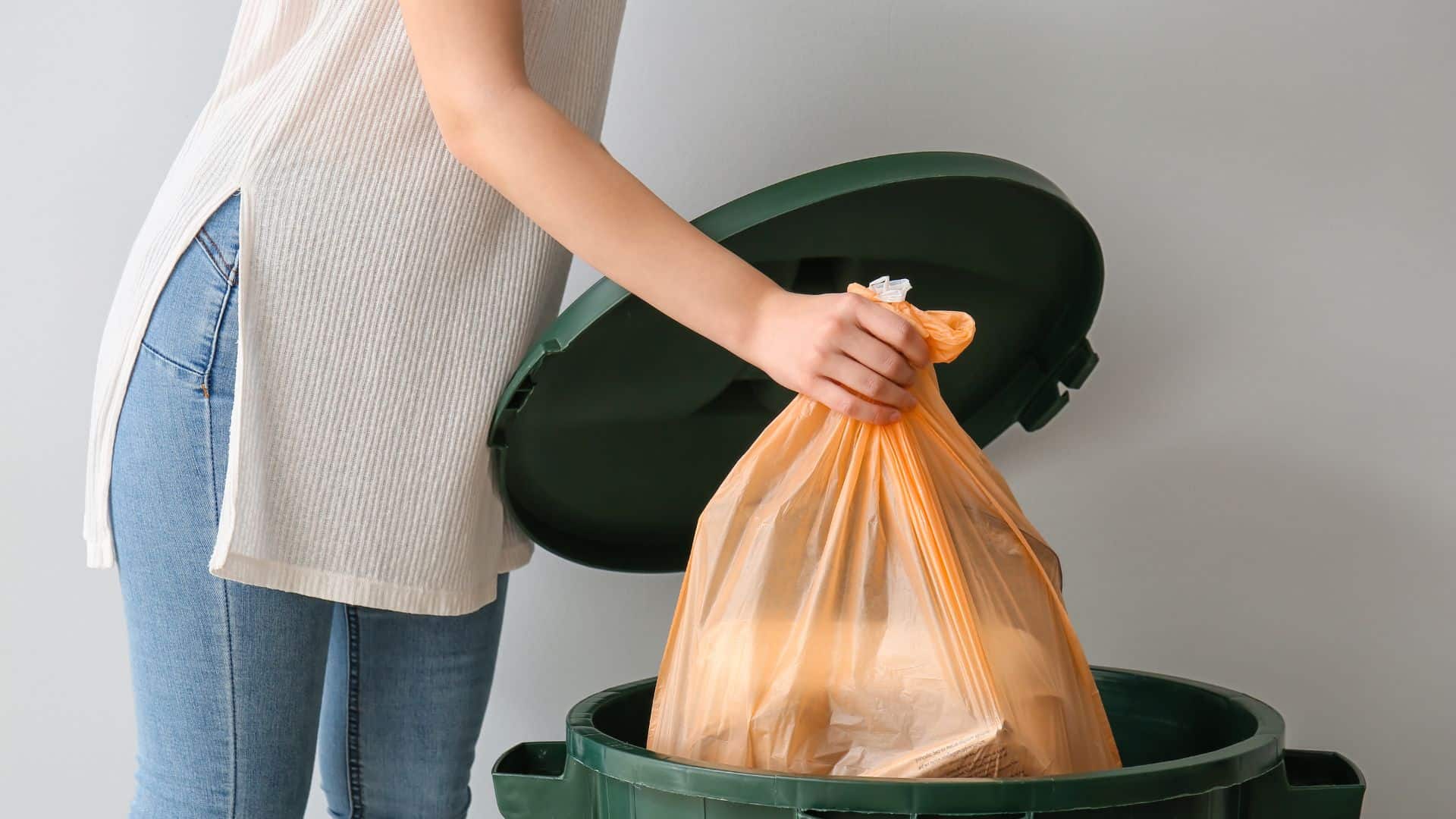
Now that they're gone, he wants to throw away all the food items that they touched. His wife thinks he's being ridiculous. It's about $150 worth of food, and he's fine with that to get rid of the germs. He asked for opinions on whether he was overreacting or validated.
Hundreds of people commented, giving their personal opinions about the situation.
The reactions
The comments were quite divided on this one: some people related to it because of germ phobias, while others thought he was acting quite privileged.
One comment was: "Suggestion for the next time they visit- single serve containers!"
Absolutely. Or buy individual chip bags for them to eat out of. It might cost a little more, but it's a simple, non-aggressive way to let them have their own bag of chips without really addressing the situation right now.

This person didn't hold back. "You're over-reacting. I say that because while I understand some of the in-laws' actions giving you the ick, you're ultra focused on this food issue and ignoring the reality of where illness actually spreads from."
This comment was a bit confusing, as germs and illness are literally spread by sharing food, dirty hands, etc. If he's afraid or worried about germs, he really isn't overreacting if that's his valid feeling.

Another person wrote, "Not only would you be wasting money, but you are making your wife painfully aware that her family disgusts you. Is that what you want?"
It's a fine line. As long as they communicate well, he and his wife should be able to talk this through and find a solution that works. He shouldn't have to hide how he feels from his wife, but he does need to make sure he addresses it respectfully.
Plainly put. "None of what you described is enough to justify throwing everything they touched away."
It does feel a bit extreme to say that he wants to throw it all away, but there's really no other way to get rid of it, if that's the ultimate choice.
This person strongly judged. "I couldn't imagine just throwing food away because someone touched it. That is extremely spoiled, you must be very privileged to have the ability to be so wasteful with food."
It is judgmental, but there is truth to the claim that he's debating whether to throw away a ton of food. Wasting food is never a positive outcome.
This person understood exactly where he was coming from. "Honestly, after watching my mother-in-law check the temperature of the dip with her finger, lick it, stick it back into the dip, stir it, and serve it to the party, I would throw everything she touched out if it stayed here too."
It does give quite a visual about the situation. Few people would want to eat that dip after that.
When personal standards collide in shared spaces
Situations like this often reveal how deeply personal standards are formed and how rarely they are questioned until challenged. Many habits are learned early and reinforced for decades. By adulthood, they feel less like preferences and more like basic rules for how the world should operate. When two sets of rules collide, the disagreement can quickly feel bigger than the issue at hand.
What makes these moments difficult is that neither side is necessarily acting with bad intent. One person may be prioritizing health and control over their environment. Another may be prioritizing frugality or the belief that shared food is harmless.
Because both viewpoints are tied to upbringing and lived experience, they are often defended emotionally rather than logically. That emotional weight can make compromise feel like a personal loss instead of a practical adjustment.
Many disagreements escalate not because people refuse to talk, but because the moment to talk feels inconvenient or disruptive. When people are present, concerns are suppressed to keep the peace. Once the visit ends, those frustrations resurface. Addressing issues early can prevent them from becoming symbolic of larger relationship tensions later.
Finding a middle ground does not require both people to see the issue the same way. It requires acknowledging that different thresholds exist and that shared decisions should account for them. In healthy relationships, solutions often look uneven on the surface because they are designed to preserve trust rather than enforce uniform standards.
Conflicts like this are rarely just about food, money, or rules, but respect and the ability to feel comfortable without dismissing others' experiences. When handled thoughtfully, these moments can clarify boundaries and strengthen communication.
Leave a Reply