
Grocery shopping can feel overwhelming. You move through the aisles trying to stick to your list, while colorful packaging and bold health claims compete for your attention at every turn. Most of us want to choose foods that seem healthier, taste good, and contain fewer artificial ingredients, but that is not always easy to judge at a glance.
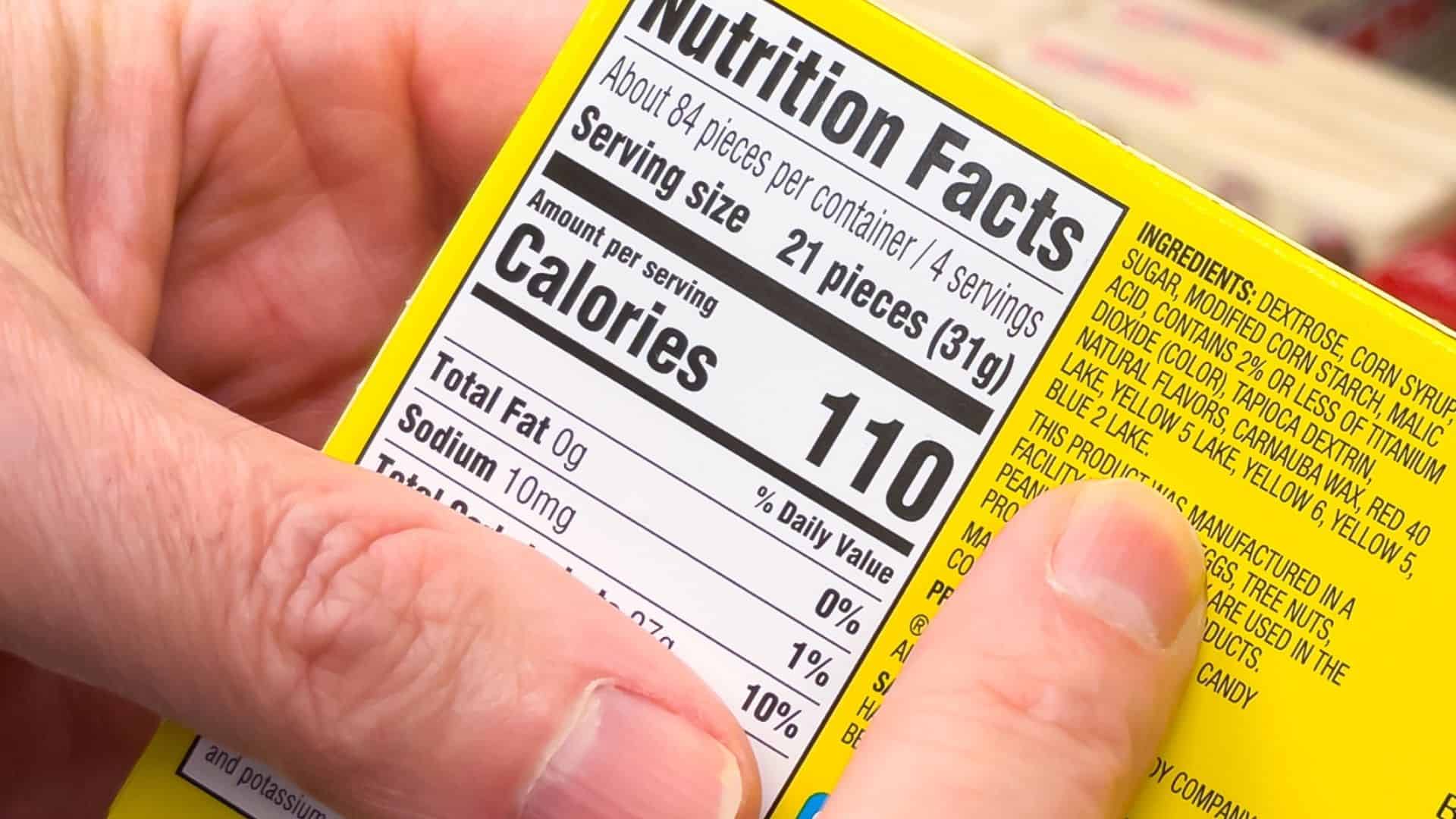
A good place to start is to observe the nutritional facts label, as it can reveal far more than many people realize. Once you know what each section of the Nutrition Facts label actually means, it becomes a simple tool you can use every day without overthinking it.
Start with serving size
The first thing to look at is the serving size, and this is where a lot of people get tripped up.
Serving sizes are standardized so you can compare foods, but they don't tell you how much you should eat. They just reflect how much people typically eat. That distinction matters.
If a frozen meal says one serving is one cup, but you eat two cups, you’re doubling everything on the nutrition label. That includes calories, fat, and sodium, all of it.
I’ve had moments where I thought something seemed “reasonable” calorie-wise, only to realize later I’d eaten two servings without noticing. It happens more than people think, especially with snacks and packaged meals.
Before you even look at calories, check how many servings are in the container. That way, you know ahead of time and can completely change how you view the food.
Calories matter, but are not the full story
Calories tell you how many are in a serving, but it’s not the whole picture.
A food can be low in calories but not very filling. Another might be higher in calories but packed with nutrients that keep you satisfied longer.
The general guideline uses 2,000 calories per day as a reference point, but your needs can vary depending on your lifestyle, activity level, and body.

What to watch (and what to look for)
When you’re looking at the nutrients section, it helps to think about what to limit and what to increase. The nutrients most people tend to overdo are saturated fat, sodium, and added sugars.
One shift that made a big difference for me was paying closer attention to added sugars rather than total sugars. Total sugars include both naturally occurring sugars, such as those found in fruit or milk, and sugars added during processing. Added sugars tend to sneak into everyday items like sauces, drinks, cereals, and snacks, and they can add up quickly if you’re not paying attention.
On the other side of the label, there are nutrients many people don’t get enough of, including dietary fiber, vitamin D, calcium, iron, and potassium. Fiber stands out because it plays a big role in keeping you full and supporting digestion, which can make a noticeable difference in how satisfied you feel after eating.
This is where the label becomes especially useful in real life. When I’m choosing between two similar products, I’ll often go with the one that offers more fiber or a higher amount of these key nutrients. It’s a simple way to make a better choice without overthinking it or getting stuck analyzing every detail.
Understanding percent daily value (%DV)
The easiest way to think about % Daily Value is as a quick shortcut. In general, 5% or less is considered low, while 20% or more is considered high. That’s really all you need to remember to keep it from being confusing.
So if a food has 25% of your daily sodium in one serving, that’s on the higher side. If it only has 3% of your daily fiber, that’s relatively low. This makes it much easier to understand what you’re looking at without getting caught up in the actual grams or milligrams.
This is especially helpful when you’re comparing products side by side. Instead of doing mental math, you can just scan the percentages and get a clear sense of which option is higher or lower in a specific nutrient. It’s something I often rely on in the grocery store because it makes those quick decisions feel a lot more straightforward.

Not every nutrient has a %DV
You might notice that some things, like total sugars or trans fat, don’t always have a % Daily Value listed. That’s because there isn’t a set recommended daily amount for them in the same way.
Protein is another interesting one. It doesn’t always include a %DV unless there’s a specific claim or it’s for certain populations.
Don't stress over it. Just focus on the ones that help you make better choices quickly and move on.
How reading labels actually helps
Understanding the label is one thing, but actually using it in everyday situations is what makes it click.
This usually shows up in real-life decisions. You’re standing in the freezer aisle comparing two meals and notice one has double the sodium. That alone can make the choice clearer. Or maybe you’re grabbing yogurt and see one has much more added sugar than the other, which gives you a better sense of what you’re actually eating.
It also comes into play with portion awareness. You open a bag of snacks and assume it’s a single serving, only to realize it’s actually two or three. That doesn’t mean you can’t eat it, but it does change how you think about the amount you eat.
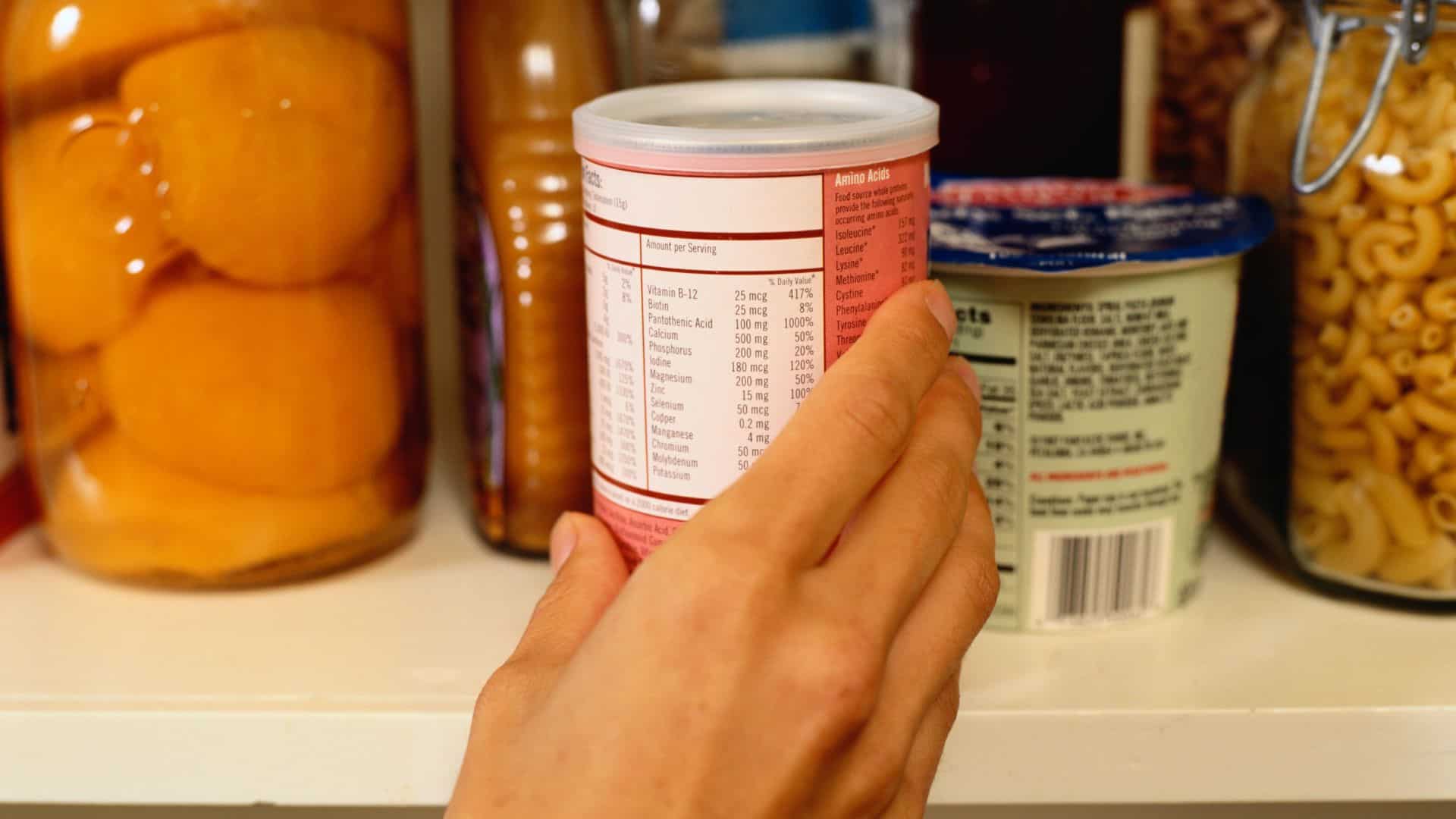
Some products make this even easier to spot with dual-column labels, which show nutrition information both per serving and for the entire package. These are common on foods people often eat in one sitting, and they can be surprisingly eye-opening once you start paying attention.
You don’t have to be perfect
One of the biggest misconceptions is that reading labels means eating “perfectly.” That’s not realistic.
You don’t have to avoid every food that’s high in sodium or sugar. The idea is to balance it across your day. If one meal is higher in something you’re trying to limit, you can adjust later.
That flexibility makes this approach sustainable. Once you get used to it, reading a label takes seconds, and it changes how you shop, cook, and eat in a way that actually sticks.
Food choices add up over time, and the Nutrition Facts label gives you a quick way to stay aware without overcomplicating things.
It helps you compare and make small decisions that support your overall habits. You don’t need to track every detail or memorize every number. Just understanding the basics puts you ahead of most people.
Leave a Reply