
Every day, your body loses up to 12 cups of water through basic bodily functions, such as breathing. Since about 60% of your body weight is water, almost all of your body's major systems depend on water to work correctly.
However, constantly drinking glass after glass of water can sometimes feel impossible and a little bit boring for many. In this article, we will explain why proper hydration is crucial and provide some tips for staying hydrated in new and tasty ways.
Why Is It Important to Stay Hydrated
Staying hydrated is essential for nearly every bodily function, from digestion to temperature regulation. Even mild dehydration can impact your overall physical and mental performance. Drinking water is not just something we do to quench our thirst; it is essential for survival.
Take a look at these interesting ways that hydration supports your body, as outlined by the Mayo Clinic Health Systems:
- Regulates body temperature through sweating and respiration.
- Moistens tissues in the eyes, nose, and mouth to support respiratory and sensory function.
- Protects internal organs and soft tissues from damage.
- Delivers nutrients and oxygen to cells via the bloodstream.
- Lubricates joints, which is vital for movement and reducing wear and tear.
- Flushes waste products through urine, lessening stress on the kidneys and liver.
- Helps absorb minerals and nutrients, making them available to your body.
How Much Water Do You Need in a Day?
To stay hydrated and replace lost water, it is recommended that men consume at least 12 cups (approximately 3 liters) of fluids per day, and women need a minimum of 9 cups (just over 2 liters) daily, according to the Harvard T.H. Chan School of Public Health.
Of course, these numbers vary from person to person, depending on age and activity level. For example, the amount of water you should drink will rise with exercise, heat, high altitudes, and high-fiber diets. If you are sick or have a fever, you may need to drink more water to help keep your body cool and hydrated. Caffeine and alcohol also increase water loss, so people who consume a high quantity of these will need to hydrate more.
The good news is that hydration doesn't have to come from plain water alone. Many drinks and foods can help you meet your fluid needs aside from plain water. However, first, let's examine how to determine if you are getting enough water to replace what your body loses daily.
How to Tell If You're Dehydrated
Hydration needs can vary, but a simple way to check your hydration status is to examine the color of your urine first thing in the morning.
- Light straw or lemonade color: You're well hydrated
- Dark yellow to amber, like apple juice: You may be dehydrated
Other signs of dehydration can include dry mouth, fatigue, dizziness, and decreased urination. If you notice any of these signs, consider consulting a doctor and increasing your fluid intake.
How to Stay Hydrated
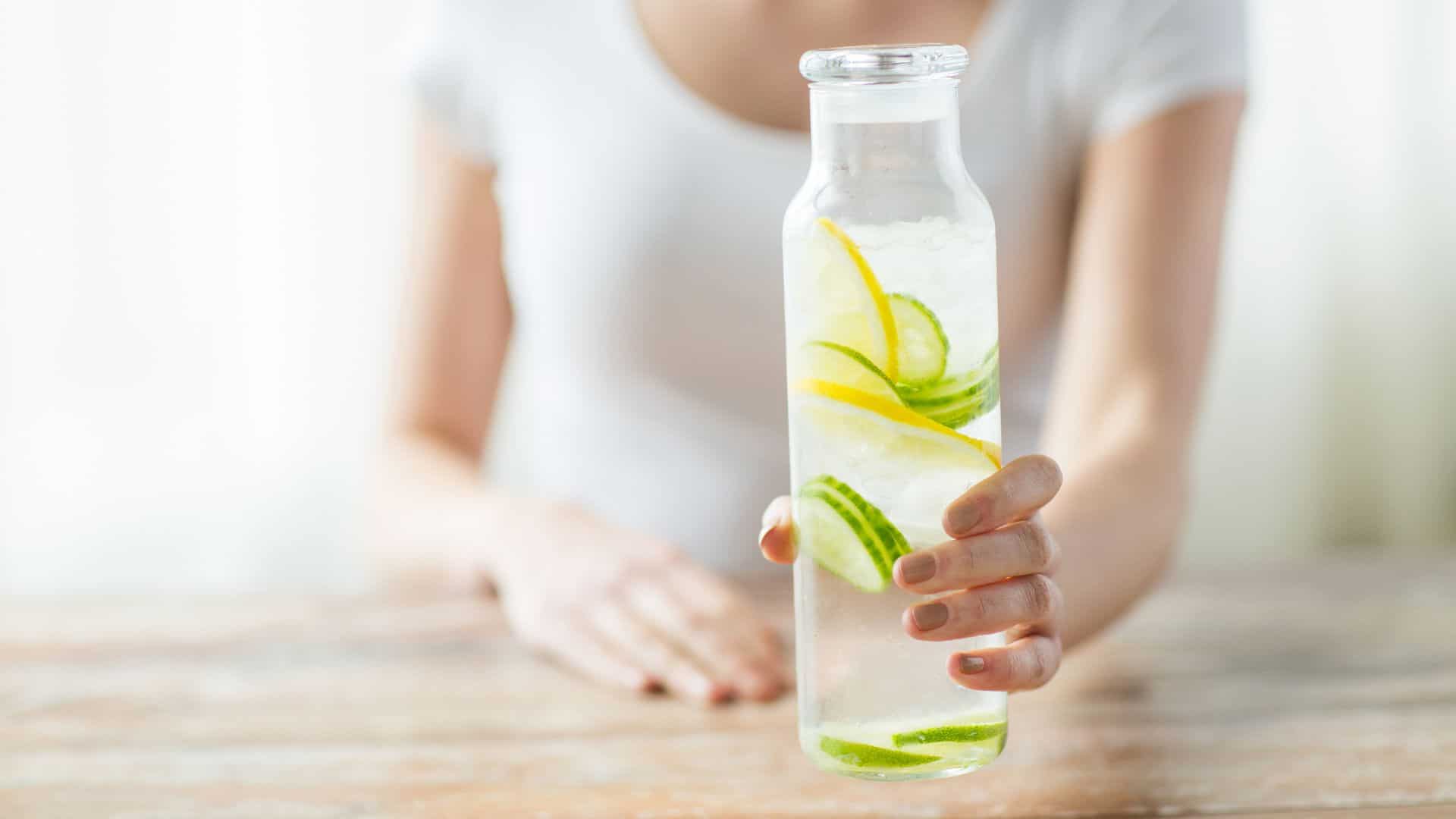
While drinking water is the most direct method of hydration, you can stay hydrated through other beverages and water-rich foods. If you're not a fan of plain water, consider these flavorful drink options, which are also effective hydrators.
- Coconut water – Naturally high in electrolytes and potassium, making it great for post-workout hydration.
- Herbal teas – Caffeine-free and soothing, these teas can be enjoyed hot or cold and are almost entirely water.
- Infused water – Add sliced fruits, vegetables, or herbs. Cucumber slices, lemon slices, or fresh mint can all add a refreshing twist to your water.
- Milk – It contains 85–90% water and is also rich in calcium and protein.
- Electrolyte drinks – When choosing sports drinks, opt for low-sugar options to replace sodium and potassium lost through sweat.
- Smoothies – Made with water-rich fruits and vegetables, smoothies can be a delicious and hydrating snack. Try to avoid adding extra sugar to the smoothie and opt for the natural sweetness of the fruit instead.
Foods That Are Hydrating
Food can account for up to 20% of your daily water intake. Many fruits and vegetables are composed mostly of water, making them excellent hydration boosters. These are just a few of the top hydrating foods:
- Watermelon – Over 92% water; one cup delivers more than half a cup of fluid.
- Strawberries – Made up of 91% water; each berry helps you rehydrate with a burst of sweetness.
- Cantaloupe – Roughly 90% water and packed with vitamin A and C.
- Peaches – Around 89% water, plus they provide potassium and antioxidants.
- Oranges – Contain nearly 87% water, along with fiber, vitamin C, and natural sugars.
- Cucumbers – With 95% water, they're one of the most hydrating vegetables available.

Tips to Help You Stay Hydrated
Beyond simply sipping water, there are creative ways to stay on track and meet your hydration needs. We have a few fantastic tricks that may help you increase your hydration in fun, new, and effective ways.
- Buy a water bottle you love – A fun or aesthetically pleasing bottle makes it easier to carry and sip all day.
- Use a hydration app – Apps like Plant Nanny or My Water Reminder send alerts to help you stay hydrated.
- Choose a bottle with tracking lines – Marked ounces or time stamps keep you motivated.
- Start your day with a glass of water or herbal tea – It helps kickstart your metabolism and rehydrates you after sleep.
- Create a hydration challenge – Compete with friends or family to hit your daily hydration goal.
- Try eating soup - Soups such as cold gazpacho are my favorite way to add more hydration to my day.
Drinks That Are Not Hydrating
Not all fluids help your hydration efforts. Some can actually contribute to dehydration, which you may want to avoid if you are trying to reach your hydration goals. Here are a few drinks that are actually dehydrating.
- Soda and sugary drinks – The high sugar content can cause a diuretic effect, which means they can increase urine production and lead to fluid loss. This, coupled with the spikes in blood sugar, can contribute to dehydration.
- Energy drinks – These are often packed with caffeine, sweeteners, and sugar, which means they may lead to fluid loss.
- Coffee or black tea – Even in moderate amounts, these drinks can still count toward fluid intake, but in excess, they have a mild diuretic effect.
- Alcohol – One of the most dehydrating substances, and is actually a diuretic, which means it increases urine production, which can then lead to dehydration.
When choosing beverages, aim for those that replenish rather than deplete your fluid levels.
You do not need to chug water all day long to stay hydrated. The most important thing you can do is know how much water your body needs and find creative, easy ways to meet those goals. By consuming the right foods and drinking hydrating beverages that you enjoy, you can effortlessly meet your body's needs.
Leave a Reply