
Love it or hate it, grocery shopping is part of everyday life. It’s where we spend not just our time but also a significant portion of our household budget. With food prices climbing and living costs rising due to inflation and shifting tariffs, knowing what to buy — and how to shop smart — has never been more important.
A few practical changes can make every grocery trip faster, cheaper, and more efficient, helping families save money while still putting great meals on the table.
1. Make a List and Stick to It
Walking into a grocery store without a list is like going on a road trip without a GPS. You’re going to get lost and probably end up buying things you don’t need. Keep a master grocery list on your phone (there are lots of apps that can help with this!).
Break your list down by categories (produce, dairy, frozen, etc.), and update it throughout the week as you run out of things. When you shop with a list, you spend less, shop faster, and avoid the dreaded “Oh no, I forgot the eggs” moment when you get home.

2. Plan Your Meals
Before you even make that grocery list, you should start by creating a meal plan. Don’t overcomplicate it! Just take 10-15 minutes before grocery day to sketch out what you’re going to eat for the week. A rough idea is fine, but having some plan is essential! It’ll save you from last-minute “What’s for dinner?” panic and keep you from buying random stuff you won’t use.
If you really feel ambitious about your plans, try to plan meals that share ingredients! If you’re buying a big bag of spinach for one meal, use it in salads, smoothies, or sandwiches later in the week.
3. Never Shop Hungry
You think you have self-control until you walk into the grocery store hungry, and suddenly, your cart is full of snacks, pastries, and an unreasonable amount of cheese. Shopping on an empty stomach can lead to impulse purchases, which means more money spent and less actual food for meals later on. Always have a snack before you go. This is a small but powerful shopping hack!
4. Shop the Sales (But Don’t Go Overboard)
Sales can be your best friend or your worst enemy. Yes, it’s excellent to snag deals on staples like rice, pasta, and canned goods. But don’t fall into the trap of buying things just because they’re on sale. If you don’t actually use them, you’re wasting money. Check your store’s weekly ad online before heading out and plan your meals around what’s on sale.
5. Use Grocery Pickup or Delivery
If you have little kids, you know that taking them to the grocery store is basically an Olympic sport. You will run around the store, grabbing things as fast as you can, and often go home without anything that you need. Managing kids in a grocery store is not easy!
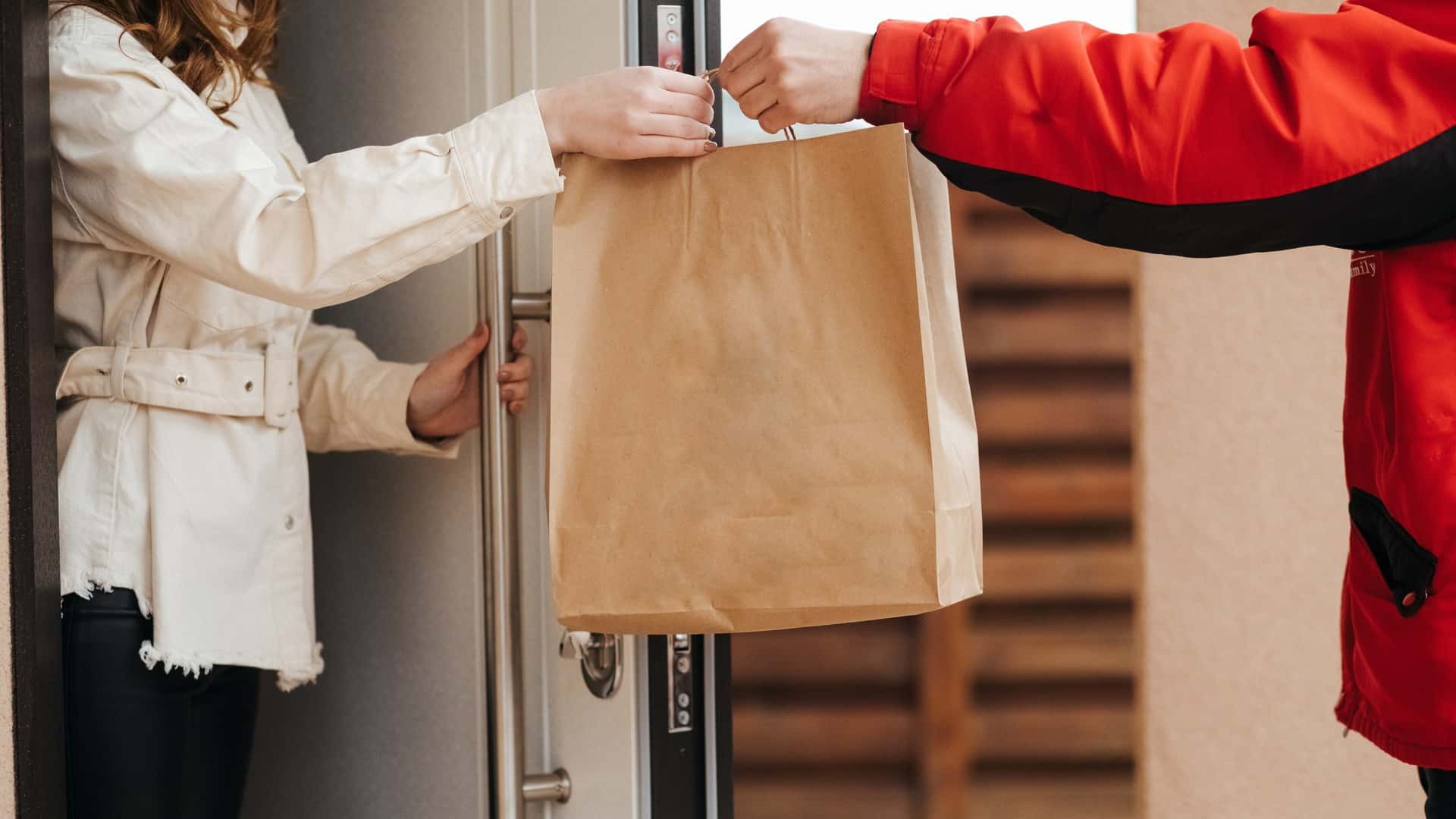
Avoid this chaos by using grocery pickup or delivery services. It saves time, reduces impulse buys, and lets you shop in your pajamas. Many stores offer free pickup if you meet a minimum (which is usually pretty easy to meet!). This can be totally worth it for the sanity you’ll save when you can just drive up, grab your food, and never have to get the kids out of the car.
6. Buy in Bulk (But Only for the Right Stuff)
Buying in bulk is amazing if you do it wisely. Stick to things that won’t go bad quickly, like toilet paper, pasta, rice, and frozen veggies. But don’t get carried away with perishable items like fresh produce unless you’re sure you’ll use them. No one wants to find a sad, forgotten bag of slimy lettuce in the fridge a week later.
7. Take Advantage of Store Brands
Brand-name groceries can be great, but store brands are often just as good (sometimes even better) and way cheaper. I swear by store-brand oatmeal, canned goods, and dairy products. They taste the same but cost a whole lot less. It is also a true fact that many store brands are made by the same manufacturers as the big-name versions, so you’re basically getting the same thing for less.
8. Organize Your Cart Like a Pro

This might sound a little extra, but hear me out. How you load your cart can make checkout and unpacking so much easier. As you fill up your grocery cart, try to keep cold items together and fragile things like bread and eggs on top, and group similar items together. It makes bagging more efficient and saves you from finding a crushed loaf of bread under a gallon of milk when you get home.
9. Set a Grocery Budget and Stick to It
It’s so easy to overspend at the grocery store. One minute, you’re grabbing essentials on sale, and the next, you’re debating whether you need that fancy artisanal cheese. Set a realistic budget and track your spending as you go through the store. If you tend to go overboard, try using cash instead of a card. It’s a great way to keep yourself in check and can make it impossible to overspend. If you only have $50 in cash for groceries on hand, then that is all you can get!
10. Make Unpacking Easy
Once you’re home, resist the urge to dump everything on the counter and collapse on the couch. Put it all away, right away! Try to keep things organized as you unpack. Do little things like keep snacks in easy-to-reach spots for kids, store older items in the front so they get used first, and pre-wash fruits and veggies to make meal prep easier during the week. A little effort now saves you a ton of time later!
Grocery shopping is a huge part of life, and tackling it with a little bit of planning, wisdom, and strategy can help you so much. Hopefully, these little grocery store tricks will help you change how you shop for the better! Now go forth and shop like a pro!
This article was first published at Spatula Desserts.
Leave a Reply