
Spring is when farmers’ markets hit their stride. Stalls fill with early greens, herbs, and the first wave of colorful produce, and the shift in seasons becomes something you can see and taste. Knowing how to shop it well turns a casual walk-through into a smart, efficient, and even creative way to plan your meals for the week.
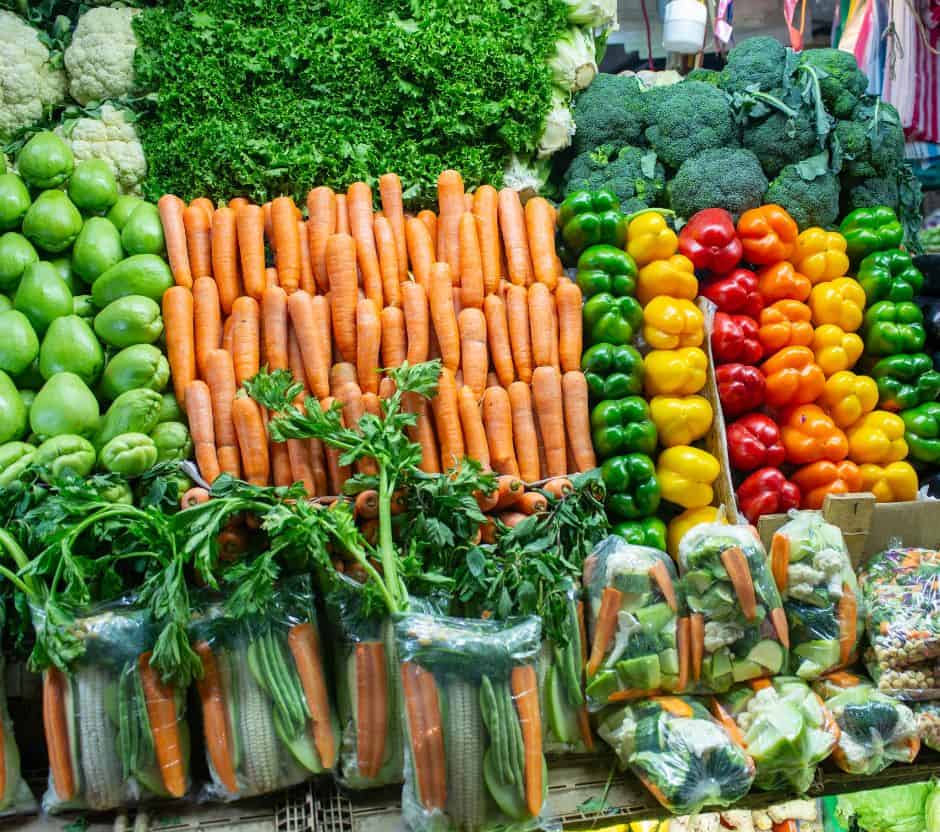
Go early, but not too early
There is a balance to timing your visit.
Arriving early gives you the best selection. The most popular items often sell out quickly, especially in spring when certain crops have short windows. Shopping early also means produce has been out for less time, so it looks fresher.
At the same time, arriving at the very end of the market can sometimes lead to better deals, as vendors may want to sell what is left rather than pack it up.
If you are focused on quality, aim for the earlier side. If you are more flexible and looking to save, later can work in your favor.
Start with a quick walk-through
The easiest way to shop like a chef is to avoid buying anything right away. Take one full lap first.
This gives you a sense of what is in season, which vendors have the best quality, and where prices vary. You may notice that one stand has brighter greens, while another has better-looking fresh strawberries or bundles of herbs that feel more generous.
This quick scan also helps you avoid impulse buying. Instead of filling your bag at the first table, you can make more intentional choices once you have seen everything available.
Learn what “fresh” actually looks like
Fresh produce at a farmers’ market often looks different from what you see at a grocery store, and that can throw people off at first.
Greens should look vibrant and crisp, not wilted or yellowing. Herbs should smell strong and feel soft, not dry. Strawberries may be smaller than store-bought versions, but they should be deeply colored and fragrant. Root vegetables should feel firm and heavy for their size.
A good rule is to use your senses. Look closely, smell when you can, and gently touch produce to check texture. Vendors expect it, and it helps you choose better.
Talk to the people behind the table
One of the biggest advantages of a farmers’ market is the direct connection to the person who grew the food.
A simple question like “What’s best today?” can lead you to the freshest picks on the table. Many vendors will also tell you how something was grown and even how they like to cook it.
This is where shopping becomes more than just buying ingredients. You start to learn what is actually in season and why certain items taste better at specific times of the year.
Shop with a loose plan, not a strict list
Going in with a rigid grocery list can limit what a farmers’ market offers. Spring produce changes week to week, and part of the value is working with what is at its peak.
Instead of planning exact meals, think in categories. Pick a few vegetables, a fruit, a protein if available, and something fresh like herbs or greens. From there, you can build simple meals at home.
For example, if you find asparagus and eggs, they can turn into a quick frittata. If strawberries and greens look great, you have the start of a salad with a simple vinaigrette.
This flexible approach keeps your meals seasonal without making planning harder.
Know what is in season
Understanding what is naturally available in spring helps you shop smarter and avoid disappointment.
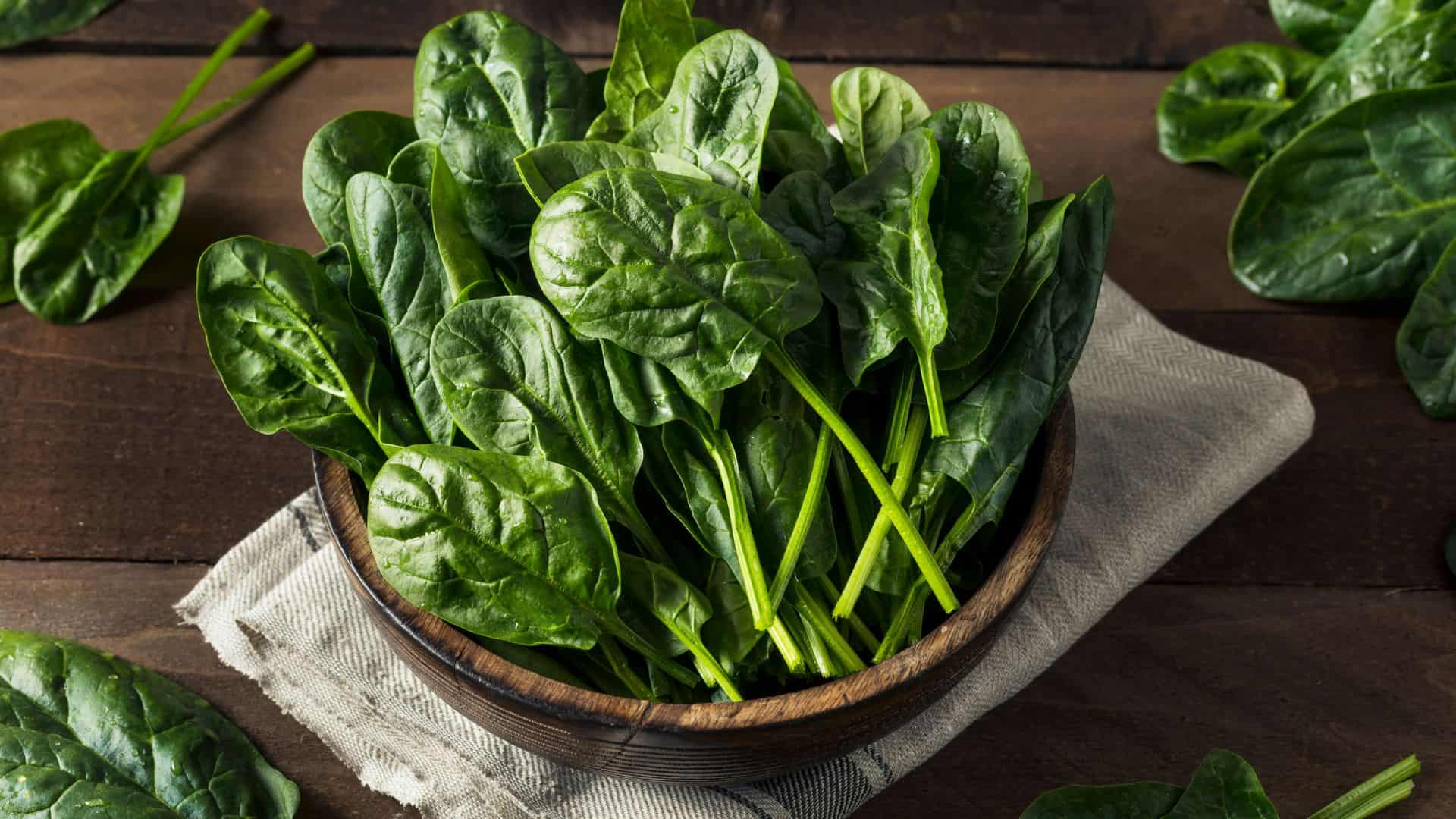
Early spring often brings asparagus, spinach, radishes, green onions, and herbs. As the season progresses, you start to see fresh berries, strawberries, and a wider variety of greens.
Buying what is in season usually means better flavor and better value. It also makes meal planning easier because those ingredients tend to pair well together.
Over time, you will start to recognize patterns and look forward to certain items each year. I know that once the berries are in season, they're a must-buy for making the best fresh berry desserts.
Bring the right setup
A small amount of preparation can make your trip smoother.
Reusable bags are a must, especially ones that can handle heavier items. A separate bag for delicate produce like fresh berries helps prevent damage. Some people bring a small cooler bag if they plan to stay out for a while, especially for items like dairy or eggs.
Cash can also be useful, though many vendors now accept cards. Being prepared means you can move through the market without interruptions.
Store your finds the right way
Getting great produce is only part of the process. How you store it at home makes a big difference.
Leafy greens last longer when washed, dried, and stored with a paper towel to absorb moisture. Herbs can be treated like flowers, placed in a glass of water in the fridge. Berries should be kept dry until you are ready to eat them to prevent spoilage.
Taking a few minutes to store everything properly helps extend freshness and reduces waste.
Make it part of your routine
Farmers’ markets work best when they become a regular habit rather than an occasional stop.
Going weekly helps you stay in tune with what is coming into season and allows you to build meals more naturally around fresh ingredients. It also builds familiarity with vendors, which often leads to better recommendations and a more enjoyable experience.
Over time, it becomes less about figuring out what to buy and more about recognizing what looks best that day.

Why this matters
Shopping at a farmers’ market changes how people think about food in a practical way. It encourages buying what is fresh, planning meals more simply, and wasting less. It also creates a stronger connection to where food comes from and how it is grown.
That shift often carries into everyday cooking. Meals become easier to put together, and the process feels less rushed.
Once you get comfortable navigating it, the experience becomes less about searching and more about discovering.
Leave a Reply