
One of the biggest holidays is just around the corner, and if you haven't done your grocery shopping yet, it's better to read this first before heading out for the big shopping. Grocery stores are good at offering all that we can dream of and maximizing our spending. To avoid overspending and buying the right thing for the holiday, we put together this guide to help you be on top of all the tricks and offers.
Have a plan

Start by figuring out how many people you're hosting and what you actually want to serve. A big BBQ and a few sides, or just festive desserts. Decide what you're cooking yourself and what others might bring, so you don't double up on items like chips or buns. Check your pantry and freezer before heading to the store. You might already have condiments, drinks, or even meat on hand. Make a plan and a shopping list to make sure you have enough food without wasting money or ending up with five bottles of mustard.
Shopping too late

Waiting until July 3rd or even the morning of the 4th can mean empty shelves, long lines, and frustration. Start now, plan ahead, and shop at least a few days in advance. If you're extremely busy, consider ordering online. Most grocery stores offer free delivery above a specific value. Some even offer same-day delivery, but due to the holiday rush, it is better to book it ahead.
Overbuying on Sale Items

Holiday sales can make it tempting to overbuy, especially when you see deals like "Buy One, Get One Free" or "3 for $10." While these offers seem like a bargain, they can lead to purchasing more than you actually need. Especially with items that expire quickly. It's easy to get caught up in the excitement and fill your cart with extra snacks or drinks you won't end up using. Before giving in to a deal, ask yourself if you'll really use it or if it will just take up space. Sticking to a list based on your actual plans can help you avoid waste and stay on budget.
End Cap Displays

The products featured at the end of aisles (end caps) often appear to be on sale, but that is not always the case. These prime spots are often reserved for higher-margin or promotional items, and similar products may be located in the aisle for a better price. It always takes a few extra steps and checks similar items. They might have a much better unit price.
Check the unit price.

Shopping online or in-store, offers are everywhere. Usually, all we can see are the big shiny price tags offering "real" bargains. But in reality, you should check the unit price. Unit pricing helps consumers spot better deals by breaking down the cost and allowing them to compare similar items more easily. However, this only works if you really look at the unit price and use it! For example, a smaller item on sale costs more per ounce than the regular-sized version. Take your time and look at the unit price rather than the red sticker.
Eye-Level = High Price
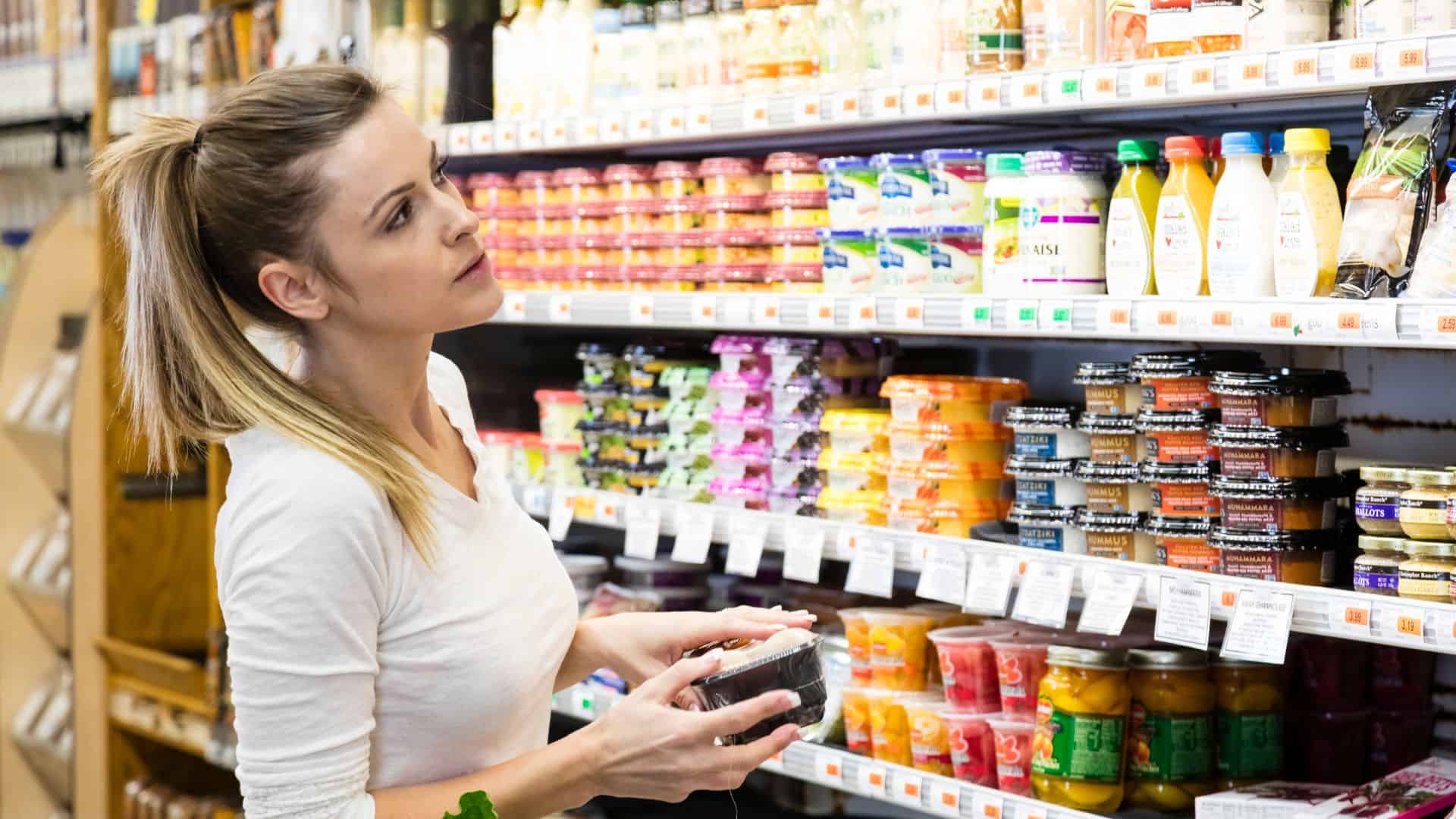
Eye level is buy level. Brands pay to be placed at eye level on shelves because that is where we naturally look first. However, items placed in prime positions usually come with higher price tags. Always check the top and bottom shelves for better deals, generic brands, or larger quantities that may be available at a lower unit cost.
Essentials Are Always in the Back
Did you ever notice how milk, eggs, and bread are almost always at the back of the grocery store? That is intentional placement on behalf of grocery store giants everywhere. Stores make you walk past dozens of tempting aisles filled with snacks, baked goods, and packaged foods that you didn't come in for. The longer you spend inside and the more products you see, the more likely you are to add something unplanned to your cart, which increases your grocery bill.
Seasonal Sales

Have you realized that grocery stores always have sales on seasonal products? It's worth checking what they have on offer, but always stick to your plan and shopping list. Even if you find something that you actually need, check the unit price and other similar products. A seasonal offer might sound good, but what's on sale is not a guarantee that it is the best value or the cheapest product. These are the products that they want you to buy.
Free Samples and Guilt Buying

A free sample may feel like a fun little treat, but it can actually come with strings attached. Many shoppers feel guilty about not buying a product after tasting it, especially if they had a conversation with the person serving it. But you don't have to fall into the guilt trap! If you like the product and believe it's something you need, go ahead and purchase it. However, be sure to check the price and your budget. Do not feel pressured into buying something you didn't enjoy or cannot afford.
Check out Candy and Impulse Buys

Those little shelves at checkout, filled with gum, candy, and energy shots, are gold mines for stores. In fact, people spend billions each year in the checkout area alone. Why are we so inclined to grab a pack of gum or a candy bar when standing at the checkout? Well, you are likely tired, your brain is decision-fatigued, and a sweet treat feels like a reward. Impulse purchases spike near checkout due to the reduced self-control most people experience at the end of a shopping trip.
With a little planning and the right mindset, you can complete your holiday grocery shopping without overspending your budget. Plan, make a list, and stick to it is the best way to control your spending. Take your time at the store, but be cautious not to fall for the big, bright sales signs. They might mislead you. I hope this helps you save and enjoy the holiday even more.
Leave a Reply