
Hosting Friendsgiving can feel overwhelming if you are not a comfortable cook, but it doesn’t mean you can’t bring people together. Plenty of hosts don’t make the main dishes themselves, and the gathering still turns out great. You can lean on potluck-style meals, store-bought options, or ordering in, while focusing on the parts of hosting that have nothing to do with cooking, like setting up the space, organizing the menu, and keeping the evening running smoothly.
Here are a few practical ways to host Friendsgiving even if you aren’t the one making the food.
Be honest: you’re hosting, not cooking
If you are not cooking for Friendsgiving, be honest about it with your guests without feeling embarassed. Often, guests are not comfortable eating food that was ordered in, or they might even have specific dietary requirements, so they may not take it well if a host hides who is behind the cooking. Being upfront, honest, and explaining one’s situation makes guests feel comfortable.
Make it a potluck, but organize it properly
You can make Friendsgiving a potluck. However, it is essential to pace things correctly and keep the guests informed to ensure the Friendsgiving potluck runs smoothly. It is recommended to create a shared list so dishes don’t overlap. Also, discuss dietary requirements, culinary preferences, and allergens to ensure all dishes at the potluck are inclusive and safe for everyone to eat.
Assigning categories like mains, sides, and drinks to guests makes it easier to decide the menu. Lastly, you can also offer store-bought options for guests who can’t cook either.
Choose easy, no-cook hosting tasks for yourself
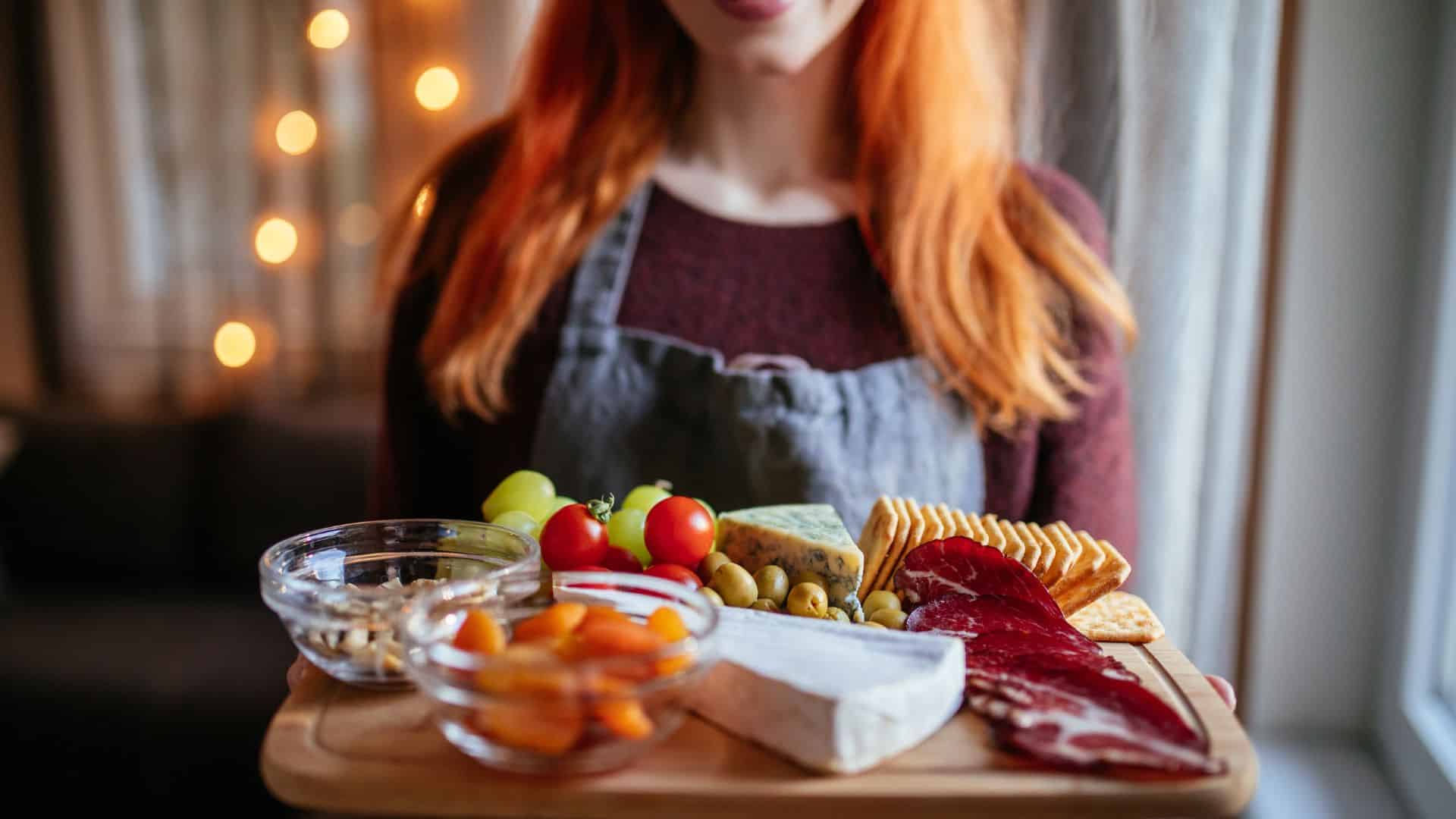
Not being able to cook doesn’t take away your ability to host well. There are plenty of simple tasks you can manage that make a big difference. Set up a drink station and refill it throughout the night. Make a charcuterie board with bread, dips, cheeses, and snacks. You can also take charge of the other things, like setting out store-bought desserts and making sure there’s always enough ice, napkins, and serveware.
Build a “no-cooking” menu
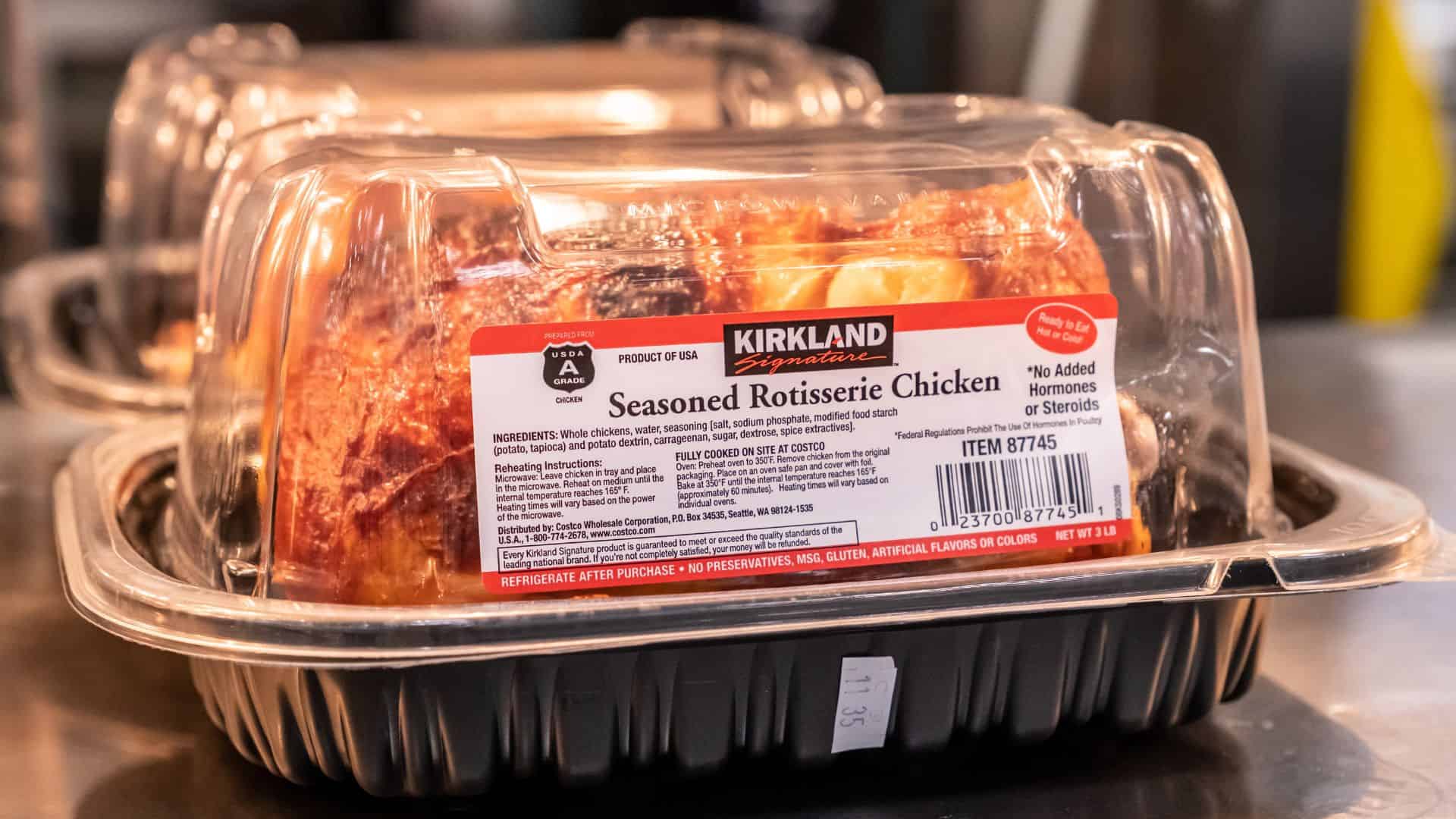
Hosts who can’t cook but don’t want to burden their guests with potlucks can build a no-cooking menu. In no-cooking menus, most dishes are store-bought, pre-made, or very easy to assemble at home. Recommended menu items include pre-made rotisserie chicken, precooked turkey breast, heat-and-serve sides, and frozen appetizers that can be toasted in the air fryer.
You can also buy pre-made desserts and top them with fruit, or go with a simple ice cream bowl.
Keep the space comfortable
A comfortable setup makes Friendsgiving feel easier for everyone. Clear the kitchen counters so people have a place to put their dishes, and move things off tables or couches if you need extra room. If you’re short on seating, throw a few blankets and cushions on the floor to create a relaxed spot for people to sit. In smaller apartments, try to keep the main pathways open so guests aren’t squeezing past each other all night.
Keep decorations simple

Friendsgiving doesn’t need elaborate décor to look nice. You can pick up some flowers, set out a couple of mini pumpkins, or plug in a strand of string lights. You can add whatever you already have on hand, too: a candle, a cozy throw, or a bowl of apples on the table. If you want to make it a little interactive, put out a few mini pumpkins or simple craft supplies and let guests decorate something of their own.
Borrow what you don’t have
If you’re short on chairs, plates, serving bowls, or even appliances like a slow cooker, ask friends to bring what they can. Most people are happy to help, and borrowing a few items makes the setup easier without forcing you to buy anything new. It also creates a more relaxed, shared atmosphere since everyone contributes in some way.
Give everyone a small take-home treat
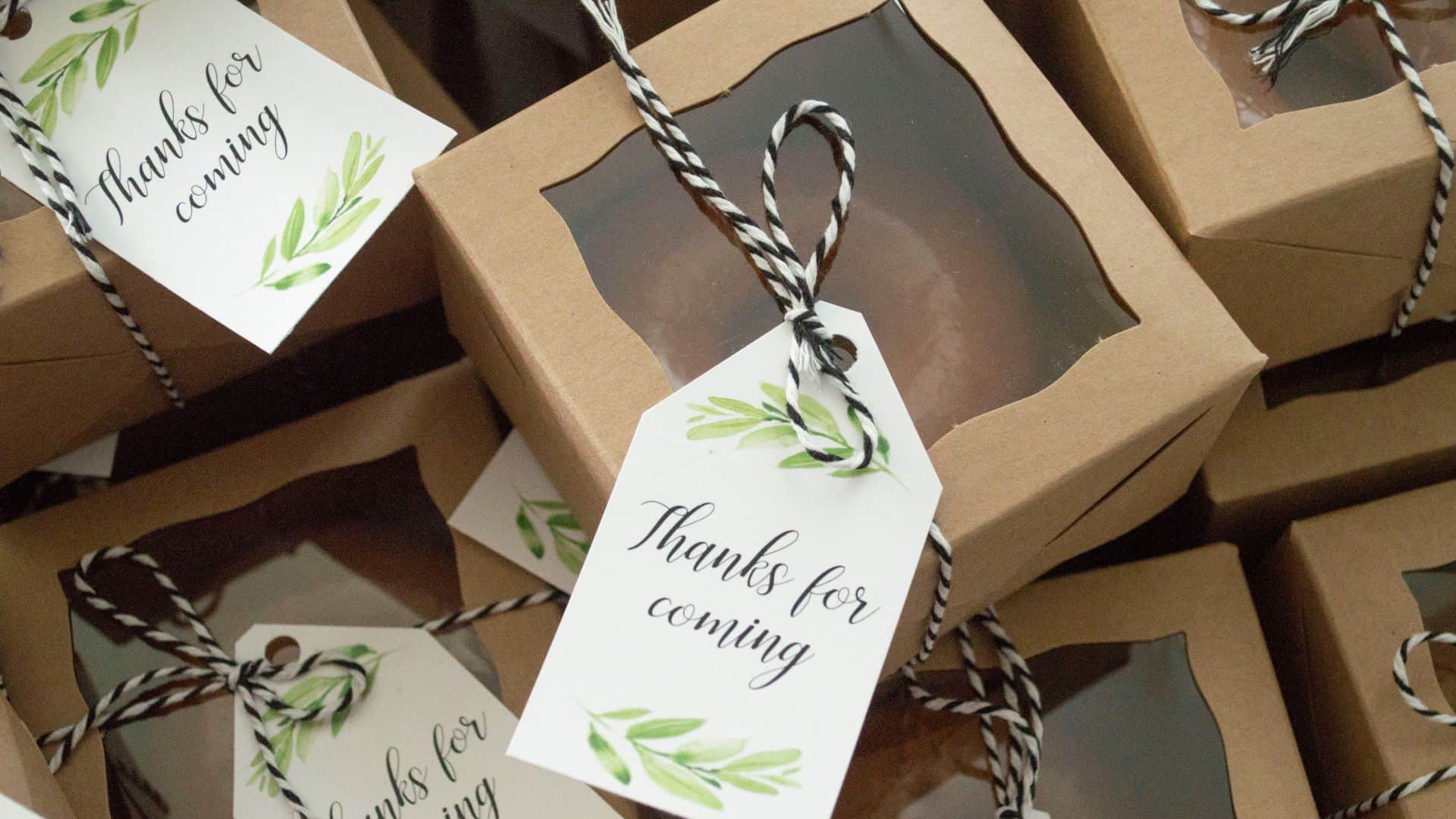
Even though you’re not cooking, you can still send guests home with something small. Pick up a few simple items like store-bought cookies, mini desserts, or individual snack packs. You can also give them a short handwritten note. Your friends will appreciate it, and it’s a great way to end the night on a good, friendly note.
Give guests a clear arrival plan
Friendsgiving is a busy day, so guests can get lost in directions and lose a sense of where they’re going. Send guests the address, parking notes, and any buzzer or entry details ahead of time, especially if your address is confusing to navigate. If your schedule shifts, update everyone so guests have no issue with arrival. If you live in an apartment or condo, communicate the presence of guests with the building manager and security.
Don’t stress about perfection
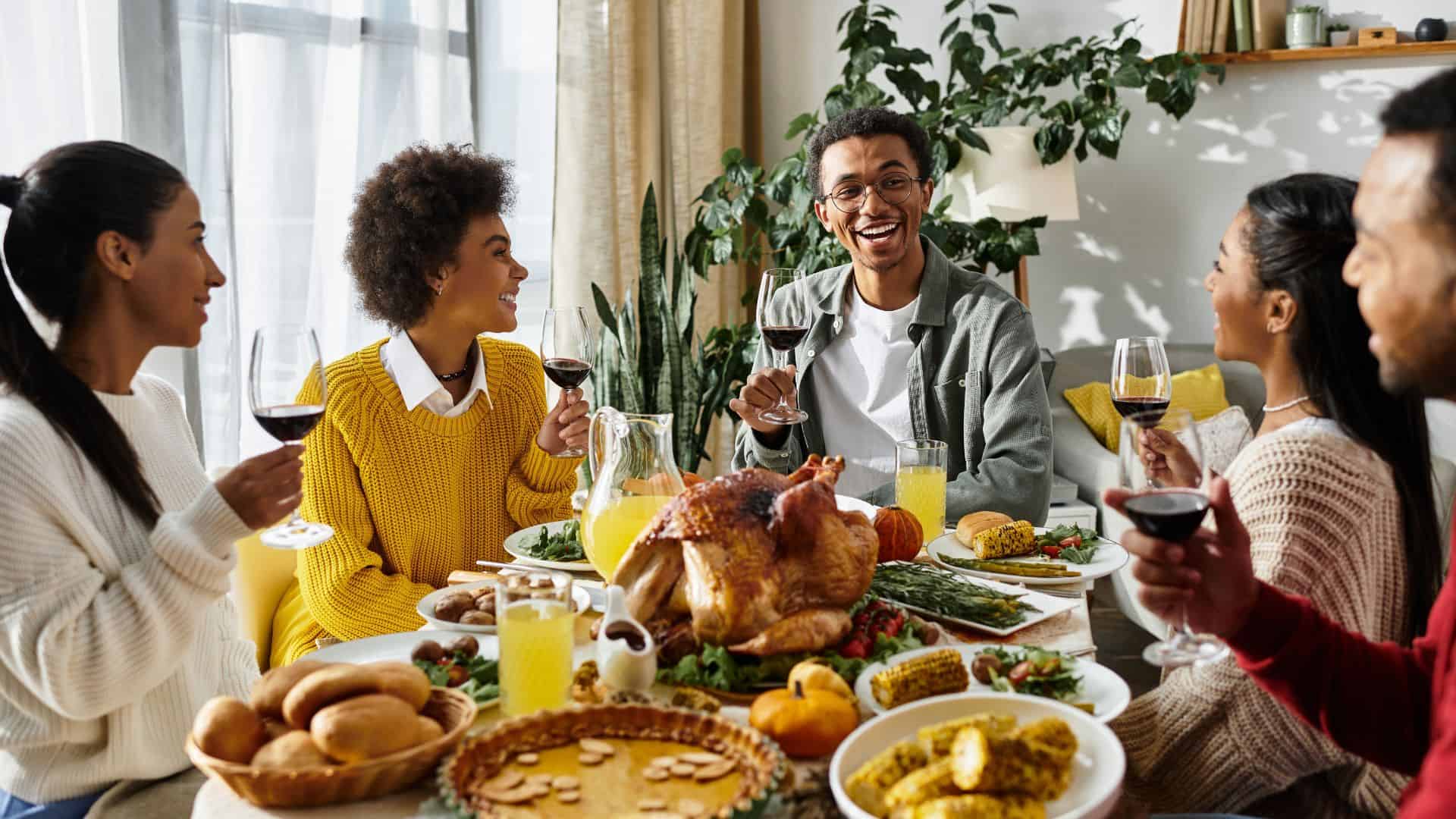
Friendsgiving is not about perfecting a food magazine cover meal. It’s simply a chance to sit together with your friends, catch up on stories, and share delicious food. Whether the meal is homemade, store-bought, or brought by friends, it doesn't matter. What matters is that everyone is together and enjoying the night.
Leave a Reply