
A glass of wine with dinner or a cocktail with friends might seem harmless, but how much is too much? Understanding healthy alcohol consumption isn’t always straightforward, and what feels “normal” can vary widely. Experts say it all comes down to how often you drink, how much you pour, and your personal health. In this guide, we’ll break down what counts as a standard drink, how alcohol affects your body, and the warning signs to watch for. It’s not about giving it up entirely—it’s about knowing your limits.
Note: The content of this article is for informational purposes only and is not a substitute for professional advice. Always consult with a qualified professional for advice tailored to your individual circumstances.
Understanding Standard Drink Sizes

A standard drink typically contains about 14 grams of pure alcohol. Experts say moderate drinking is up to one drink per day for women and up to two drinks per day for men, while heavy drinking is 5 or more a week for women and 8 drinks a week or more for men.
Following Guidelines

Do your best to adhere to health guidelines concerning alcohol consumption. Exceeding these limits regularly can lead to a variety of health issues. These guidelines are designed to balance the potential health benefits of alcohol with the risks associated with overconsumption.
Recognizing Binge Drinking

Binge drinking is defined by the CDC as having four or more drinks for women or five or more drinks for men during a single occasion. This pattern of drinking raises your blood alcohol concentration to dangerous levels in a short amount of time. It’s not just about having a few drinks—it’s about how quickly and how often they’re consumed. Binge drinking is linked to serious health risks, including injuries, liver disease, and long-term alcohol dependency. Even occasional episodes can have lasting effects on your health and well-being.
Health Risks

Chronic heavy drinking over time can take a serious toll on your body. According to the National Institute on Alcohol Abuse and Alcoholism, regularly consuming large amounts of alcohol can affect nearly every part of your system. The impact might not be obvious at first, but the damage builds slowly. What starts as a habit can turn into something that changes how your body functions in the long run.
Impact On Mental Health

Drinking too much alcohol doesn’t just affect your body—it can also take a serious toll on your mind. Alcohol is a depressant, and while it might seem relaxing at first, it can actually make things worse over time. It can cloud your thinking, affect your mood, and interfere with how you handle everyday stress. Over time, it may also reduce the benefits of other steps you're taking to care for your mental well-being.
Effects On Sleep

While alcohol might initially help you fall asleep, too much disrupts the sleep cycle, leading to poorer sleep quality and reduced restfulness. Alcohol consumption before bed can interfere with REM sleep and increase the likelihood of sleep disturbances.
Influence On Weight And Health

Alcohol has a lot of calories, so it can contribute to weight gain. It also affects your metabolism and can lead to poor dietary choices. Regular heavy drinking can result in malnutrition, as alcohol can interfere with the absorption and utilization of essential nutrients.
Impact On Life

Excessive drinking can strain relationships with family, friends, and colleagues. It can lead to conflicts, reduce your ability to perform well at work or school, and cause social isolation. Maintaining a balance and setting boundaries is crucial for preserving healthy relationships.
Recognizing Alcohol Use Disorder

Alcohol Use Disorder (AUD) is a medical condition characterized by an inability to control or stop drinking despite adverse consequences. Symptoms include a strong craving for alcohol, loss of control over drinking, and withdrawal symptoms when not drinking.
The Importance Of Hydration
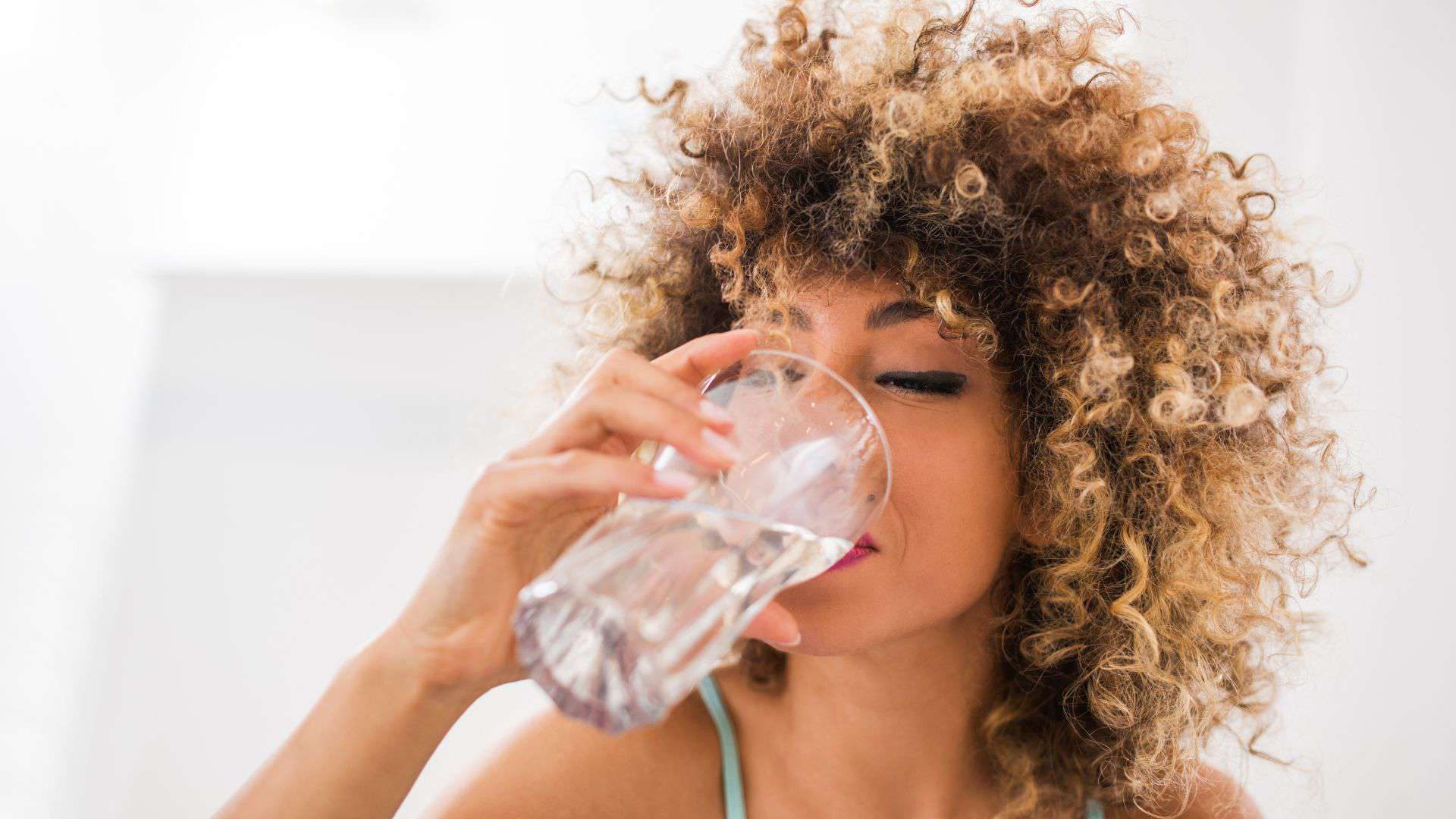
Drinking alcohol can lead to dehydration, which exacerbates hangover symptoms and affects overall health. Drink plenty of water alongside alcohol to stay hydrated and mitigate some of the negative effects.
Seeking Professional Advice

If you're unsure about your alcohol consumption or how it might be affecting your health, seeking advice from a healthcare professional can provide clarity. They can offer personalized guidance based on your medical history and health status, helping you make informed decisions.
Leave a Reply