
The grocery store is not arranged for your convenience, but for profit, and the difference shows up most clearly in shelf placement.
Every aisle in a grocery store is the result of a negotiation shoppers never see, fought between brands competing for the spots people notice first. Eye level sells the best; the top shelf is often ignored, and the bottom shelf often hides better value. Here is how that system actually works, and what it means the next time you push a cart down the aisle.
Most shoppers assume a grocery store is arranged for convenience, grouping similar items together so a trip stays simple and quick. That assumption is only partly true. Convenience matters, but so does a far less visible factor: which brand paid for the privilege of sitting exactly where your eyes land first, and which products got placed somewhere you would have to actually look for them.
Why eye level is the most valuable real estate in the store
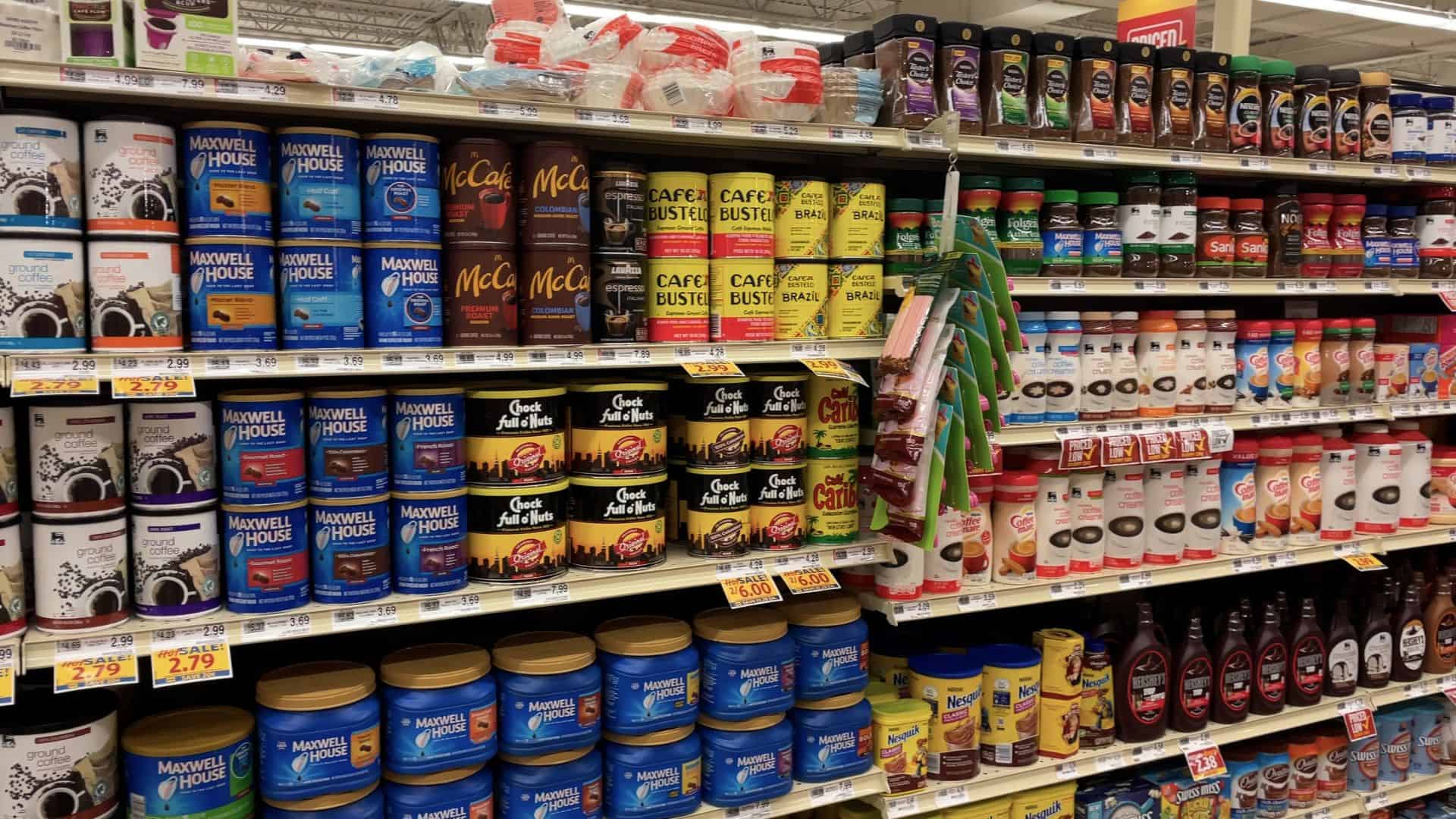
Retailers refer to the shelf at roughly eye height as the buy level, and for good reason. Products placed there sell at a noticeably higher rate than identical items placed a foot above or below, simply because shoppers tend to grab what they see first rather than scan an entire shelf. That tendency holds even when a cheaper or better option lies just beyond the natural sightline.
Brands know this, which is why eye-level space functions as advertising inventory rather than ordinary shelving. Larger, well-established brands often pay slotting fees or negotiate placement agreements to secure placement in that zone.
How shelf height splits shoppers into groups
Retail planners often describe the shelf hierarchy in three tiers, each aimed at a different shopper type. The eye-level shelf targets adults moving quickly through an aisle. The shelf just below, within easy reach, often holds children's cereals and snacks positioned at a height where a child in a cart can see and ask for them directly. The top and bottom shelves require more effort to reach or notice, so retailers tend to use them for bulk packaging, store brands, and items that already have strong enough demand not to need prime placement.
This is also where shoppers willing to look a little harder tend to find the best value. Store-brand versions of name-brand products often sit one shelf below their pricier counterparts, frequently below eye level, even though the contents are nearly identical.
Families shopping with kids encounter a different dynamic. A child reaching for a colorful box at exactly their eye height is not random. The packaging, the character on the front, and the shelf position are all working together, which is part of why so many parents find themselves negotiating in the cereal aisle without quite knowing why that particular box ended up in the cart.
What the bottom shelf is really telling you
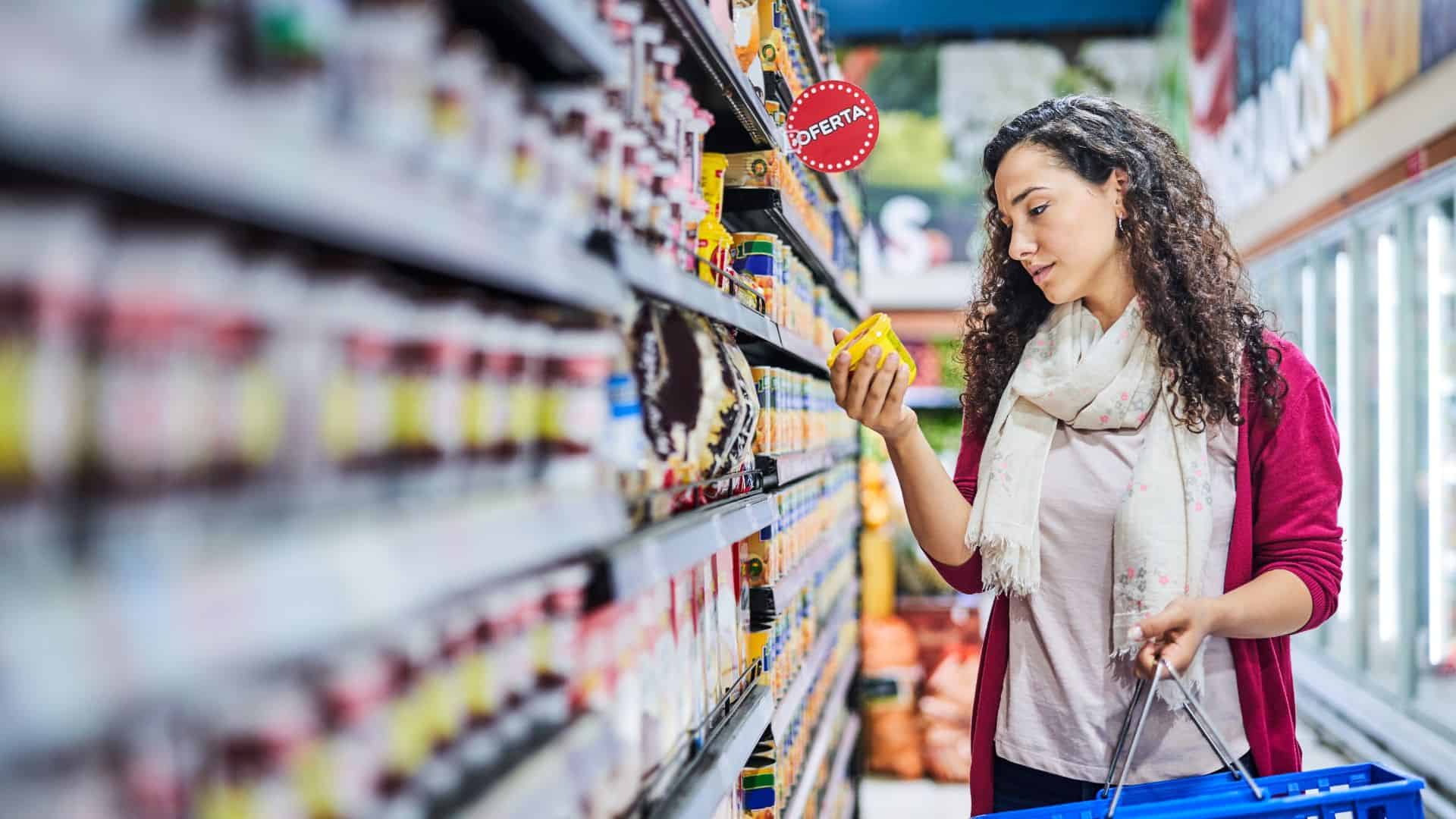
The bottom shelf carries its own reputation, and not always a flattering one, but it is often where the most overlooked deals live. Bulk bags, larger packaging, and private-label staples often end up there because they do not need the same visual push as a smaller, higher-margin product. Bending down for a moment is a small price for a noticeable improvement.
Bottom shelf placement is not always a sign of lower quality, either. Heavy items like cases of water or large bags of flour are often kept low for practical reasons, since stocking them at eye level would make shelves harder to manage and less stable.
How to shop the shelves instead of letting them shop you
None of this means eye-level products are bad; it only means their position is not a neutral recommendation. Treating a shelf as a full vertical space, rather than just the section directly in front of your face, takes only a few extra seconds per aisle. Glancing up and down before grabbing the first thing in sight is often enough to find the same product, or a comparable one, for noticeably less.
The most reliable way to cut through shelf placement entirely is to start comparing unit prices. Most stores print this figure directly on the shelf tag, usually as a smaller number showing cost per ounce or per pound, sitting just below the larger price that catches your eye first. Two boxes of pasta can look completely different in size and branding while costing nearly the same per pound, and checking that smaller number is the only way to know for certain, rather than trusting which box looks like the better deal.
Grocery shopping rewards a little curiosity. Check the unit price, glance above and below eye level, and the shelf usually has a better deal waiting for whoever bothers to look for it.
Leave a Reply