
Have you ever left the drive-through window and wondered why you just spent so much money? How did the simple fast-food order you planned to place turn into so much more? You were probably a victim of a fast food restaurant trick that made you order more and spend more. Take a look at what most restaurants do to get more of your money into their pockets.
Menu Items With "Value" In The Name
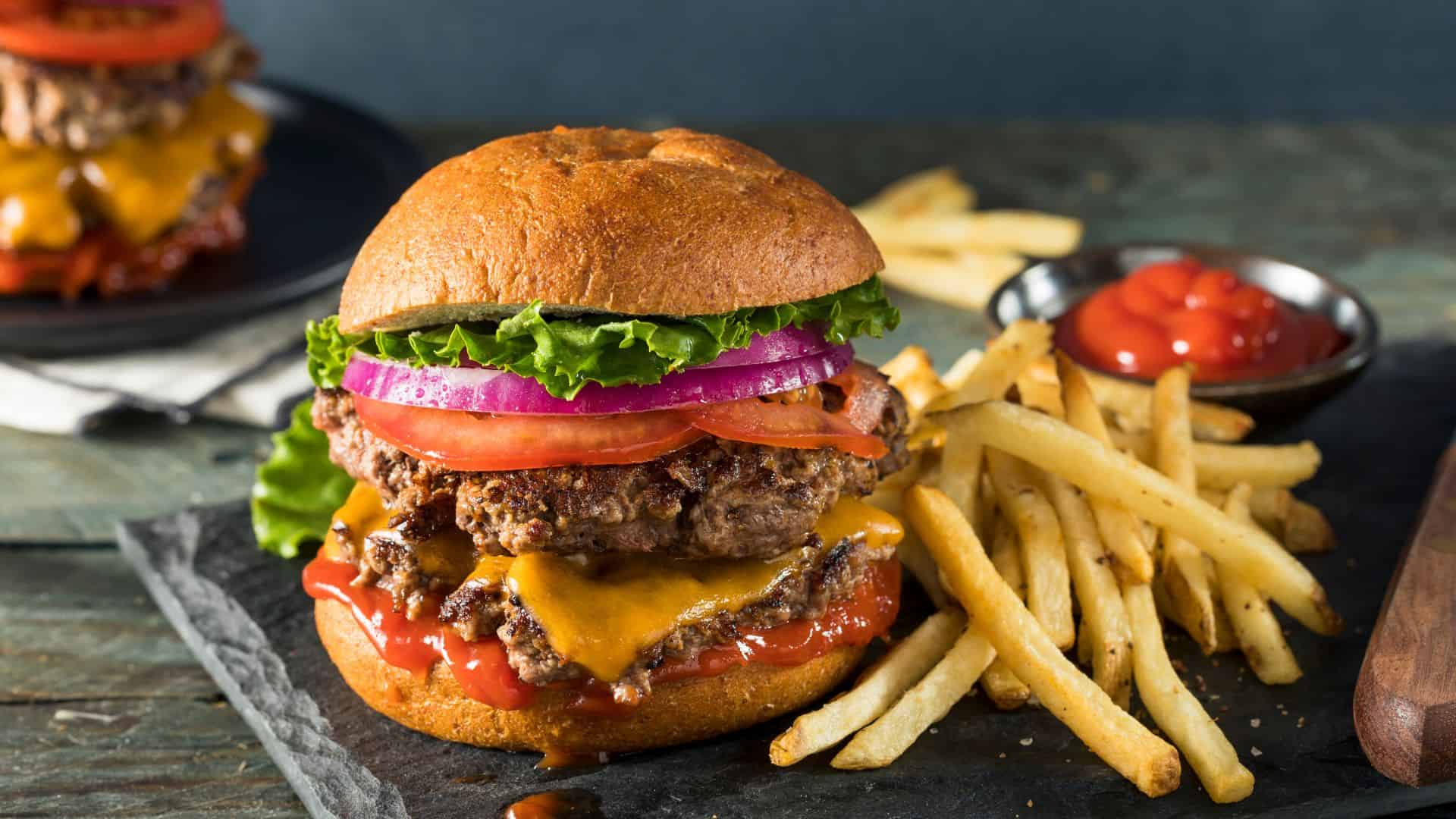
Have you ever ordered a value meal just because you think you will save a few cents? The word "value" always makes people feel like they are getting a great deal, even when the item may not be the cheapest or the best choice.
It is better to check each item separately and compare before grabbing the “value” combo, because the bundle can end up costing more and/or often contains items you don't actually need.
Upselling With Combo Meals

Cashiers and drive-through screens are programmed to offer combo meals, which appear to be a better deal than buying items individually. Also, when you place your order at the drive-through, you have probably heard the cashier ask if you would like to upgrade or add to your order. They are trained to do that! And now, AI has taken over and is automatically programmed to upsell you on even more food
Because the offer sounds so good, you will likely say yes without thinking, and end up with a big fries and drinks when you just wanted a simple burger. This little trick can turn a pre-planned small meal into a pricier one in seconds.
Larger Sizes Priced Just Slightly Higher

When a large fries or drink is only slightly more expensive than the medium, customers feel like upgrading is a smart choice. This pricing strategy is known as price bracketing, which encourages people to spend more for what feels like a better value. Why buy the small $1 fries when the large is just $1.50? Many people go right for spending a few cents more, even if they don't need or want the extra portion.
Encouraging Mobile App Deals That Lead to Impulse Buys

Many customers also prefer using apps over ordering via phone or at the drive-through. Fast food restaurants are aware of this and push their app sales even further.
Apps often offer "exclusive" discounts, but once you start browsing the digital menu, it's very easy to add more to your cart than you originally planned. Fast food chains use push notifications and limited-time deals to tempt you into making extra purchases. It generates FOMO, the fear of missing out and losing the deal.
Just remember that you may be spending more than if you just placed your order at the regular storefront window.
Advertising "Family Deals" That Cost More Than Ordering Individually

Family meals may sound budget-friendly, but they can often be inflated bundles that cost significantly more than ordering à la carte. The packaging and name give the illusion of savings when, in reality, you are often paying for convenience and over-ordering. We admit that it is easy to be lured by the word "deal," especially when it is paired with "family." One package to feed everyone? Sounds good, but may not be a savings in reality.
Offering Customization Options At An Added Cost

Build-your-own meals definitely feel empowering, but each extra topping or sauce usually comes with a hidden extra fee. You start with the base price, then add one more thing after another, until your meal is significantly more expensive than expected. Fast food chains profit from your desire for personalization.
Offering Free Add-Ons Only After Spending a Minimum Amount

That offer for "Free fries with $10 purchase" sounds pretty generous, but it definitely tricks you into spending more money to get something small for free. You might have only planned to pay $6, but now you are increasing the order to reach the minimum. In reality, that so-called freebie ends up costing you extra.
Limited-Time Offers That Create Urgency

Fast food menus often feature new items with phrases like "for a limited time only." This tactic creates urgency and total FOMO (fear of missing out), which makes many customers more likely to rush to make a purchase and spend quickly before it is gone. While variety is nice, avoid buying items just because they are supposedly being removed from the menu.
Strategic Menu Placement of High-Margin Items
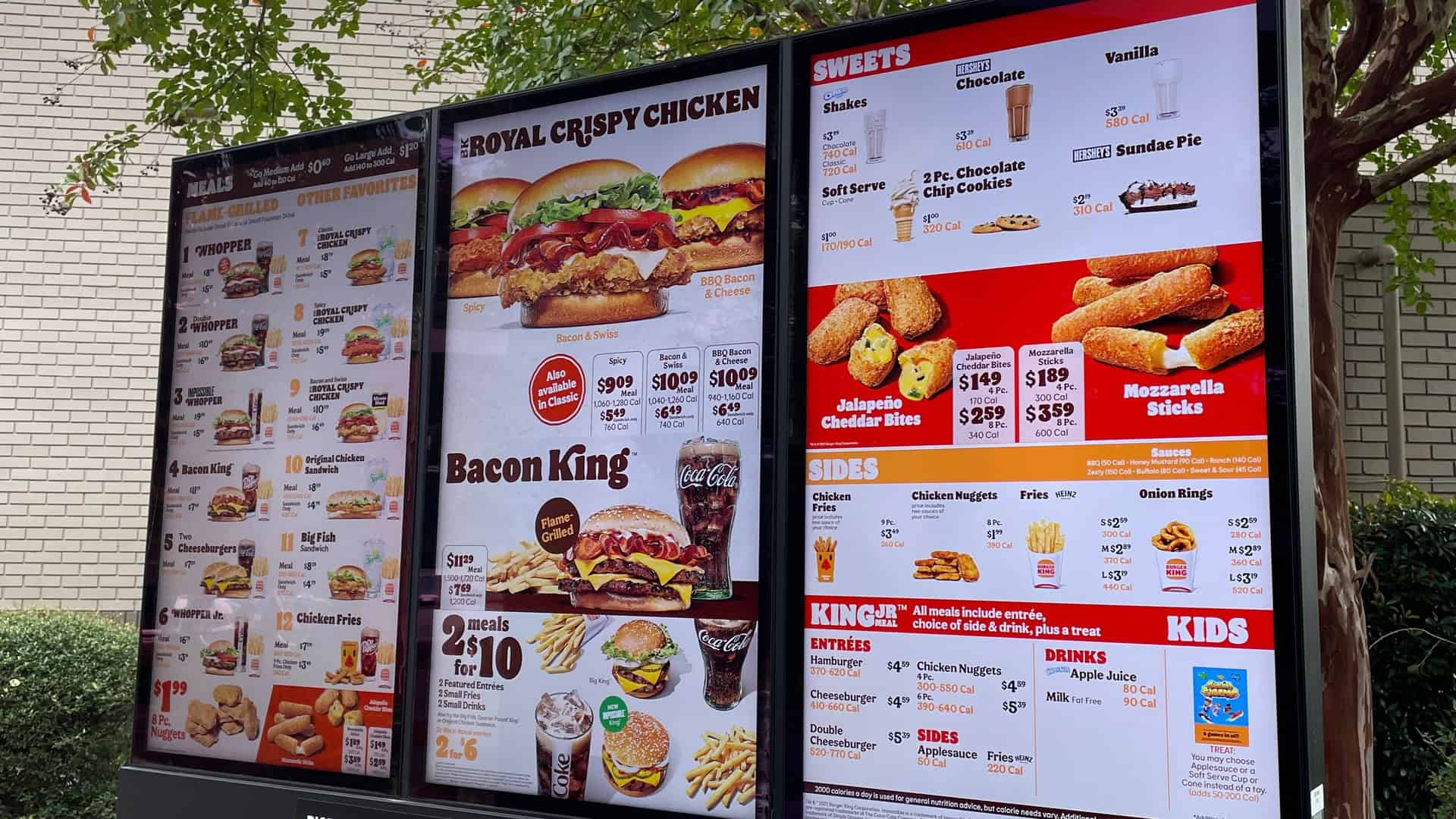
Fast food menus are designed in a way that your eyes are drawn first to the most profitable items. These usually appear in the center or top-right corner, where you are most likely to look. You are subtly steered toward higher-priced items before you even consider the cheaper options.
Using Appetizing Images to Influence Choices

If you have ever walked into a fast food restaurant and seen those images on the screen, only to become hungry in just seconds, then you are not alone. Those mouthwatering photos of juicy burgers, cheesy fries, and creamy milkshakes are there for a reason! They are there to trigger cravings. Visuals can override logic and prompt people to order what looks best, even if it is more expensive or was not something they planned. Photos are simply food marketing at its finest.
Using Enticing Smell Marketing Inside and Near Drive-Thrus

The smell of fresh fries or grilled meat is often intentionally released through vents near fast-food store entrances and drive-thrus. These aromas stimulate your appetite and increase the likelihood that you will make a purchase or buy more than you intended. This sensory manipulation has been proven to work almost instantly.
Promoting Loyalty Points to Justify Extra Purchases
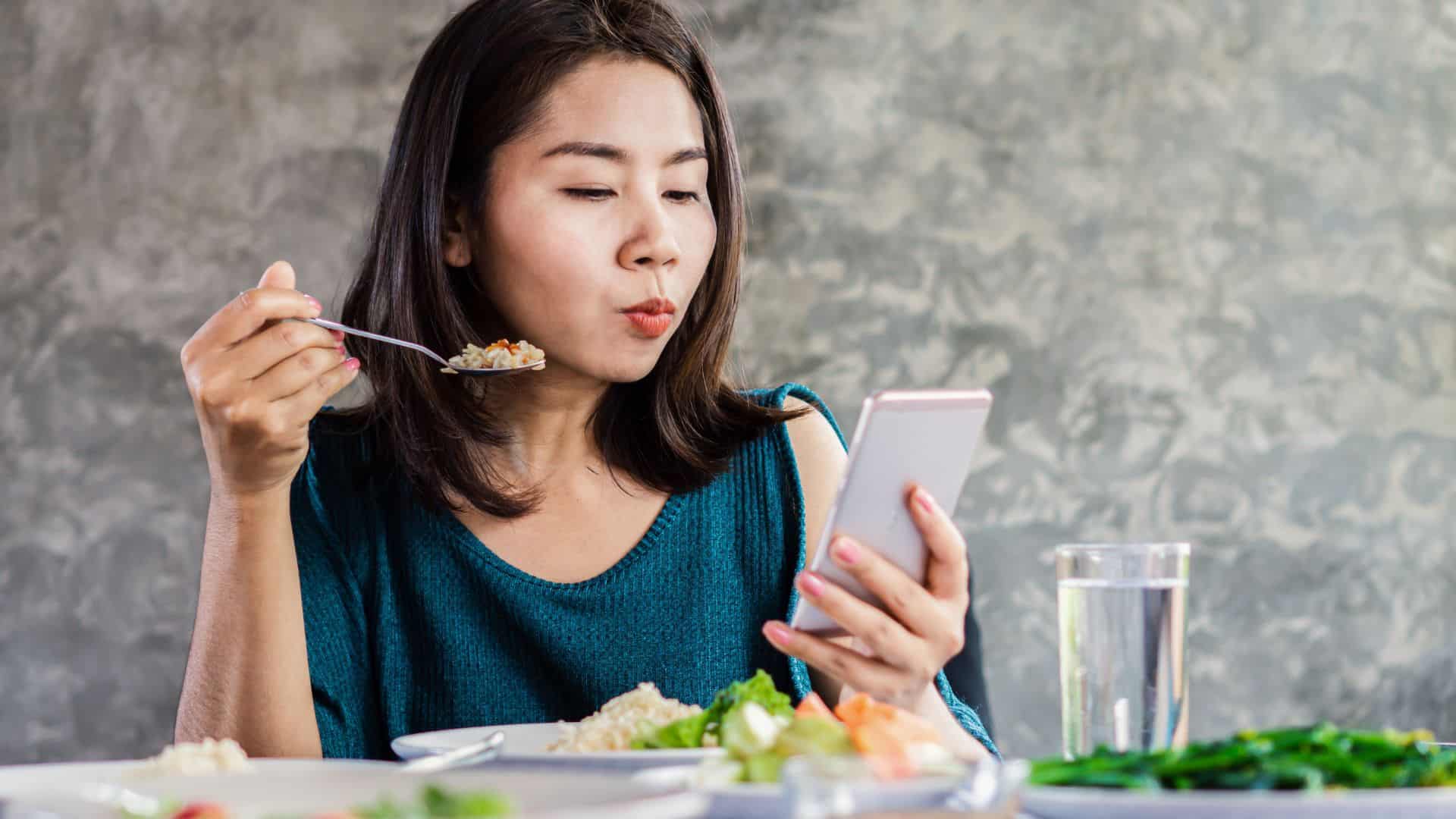
Loyalty apps reward you with points, but you usually have to spend a lot to earn them. Offering points per order or extra points for purchasing specific items encourages customers to place frequent orders or add items to "unlock" a reward. Fast food brands tend to keep people hooked through a cycle of spending and small incentives.
Leave a Reply