
Over the past few decades, fast food has become an integral part of American culture, influencing the way we eat, socialize, and even think about food in general. But how did this fast food phenomenon ever happen? What made fast food such a big deal? With a little help from Daily Grind Unwind, we will explore how fast food has evolved from a convenient option to a cultural phenomenon.
Note: The content of this article is for informational purposes only and is not a substitute for professional advice. Always consult with a qualified professional for advice tailored to your individual circumstances.
How McDonald's Started the Fast Food Restaurants
You really can't discuss the beginnings of fast food restaurants without mentioning McDonald's. It is the restaurant that is credited for the start of it all! Back in the 1940s, brothers Richard and Maurice McDonald revolutionized the way food was served. Their restaurant in San Bernardino, California, wasn't the first place to offer quick meals, but they were the ones who nailed the concept of speed, consistency, and affordability. By introducing its "Speedee Service System," McDonald's streamlined food preparation, enabling it to serve customers in record time.

The golden arches we know today emerged when Ray Kroc, a traveling salesman of milkshake machines, joined the team in the 1950s. He saw the potential to franchise the concept nationwide, and he was right. Under Kroc's leadership, McDonald's exploded, becoming the face of fast food in America. The idea was simple: serve delicious, inexpensive meals quickly and consistently, no matter where you were. The rest, as they say, is history.
The Next Wave of Fast Food Chains
After McDonald's paved the way for the fast-food style, numerous fast-food chains followed, each with its own unique twist. In the 1950s and 1960s, Burger King and Wendy's entered the market, offering their versions of fast, affordable meals. While McDonald's focused on burgers and fries, other chains, like KFC, explored other cravings and ways to serve up new fast foods, such as the now-classic fried chicken.
Taco Bell joined the mix in the 1960s, bringing Mexican-inspired flavors to the table. The idea of grabbing a taco on the go? Genius! These chains weren't just competing with McDonald's, but they were expanding the idea of what fast food could be. Whether you wanted a burger, fried chicken, or a crunchy taco, fast food restaurants were ready to deliver, all while keeping things quick and affordable.
By the 1970s and 1980s, fast food was everywhere. Pizza chains like Pizza Hut and Domino's introduced fast food delivery, which then took fast food to a whole new level of convenience. You didn't even have to leave your house to enjoy a fast meal! This era solidified fast food as a staple in American culture.
Fast Food Today: A Part of Everyday Life
Fast forward to today, and the fast-food industry is bigger than ever. There are over 200,000 fast-food restaurants in the United States alone, and they're not just limited to burgers and fries anymore. From sandwiches and salads to smoothies and sushi, there's a fast-food option for just about everything.
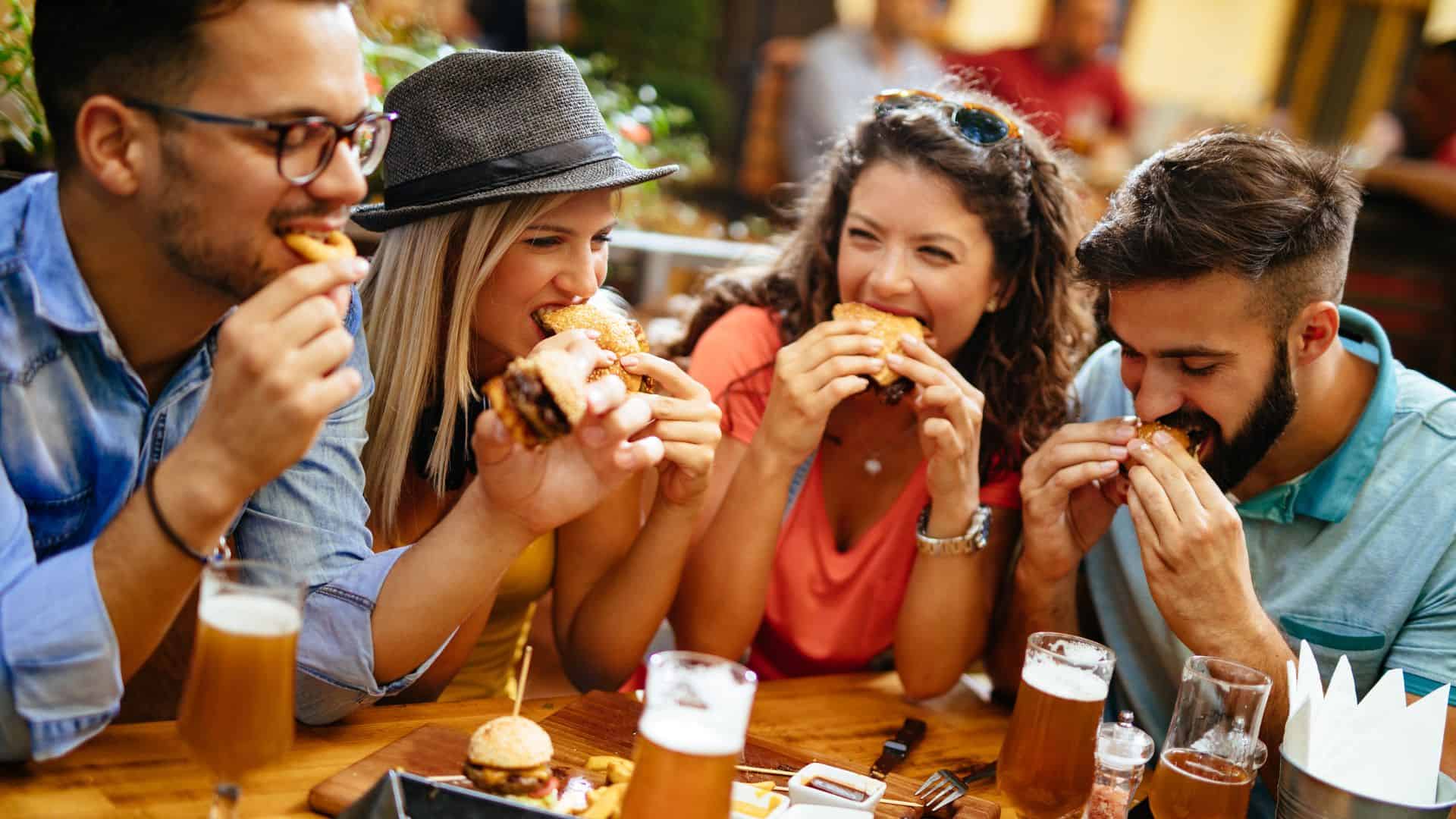
And, as you may well know, Americans love their fast food. Studies show that nearly 1 in 3 adults eats fast food at least once a day. From a quick breakfast sandwich on the way to work to a lunchtime burger or even a late-night taco run, fast food fits perfectly into our busy schedules. And it's not just drive-thrus anymore. Many chains have now adopted delivery apps like DoorDash, Uber Eats, and Grubhub, making it even easier to get your favorite meals without even needing to leave the house.
Fast food has also evolved to keep up with changing tastes and dietary preferences. Many chains now offer healthier options, like salads, grilled proteins, and plant-based menu items. Fast food is no longer just about indulgence; it's about choice, catering to whatever mood or need you're in.
As good as it sounds (and tastes), the world of fast food is not all sunshine and roses. These quick, convenient meals have also been criticized for decades for not being the healthiest choice. A lot of fast-food items are packed with calories, fat, sugar, and salt, which can lead to health problems like weight gain, diabetes, and heart issues if you eat them too often. Because fast food is so cheap and convenient, it's such an easy go-to for many people, but health experts caution against relying on it too much.
The Future of Fast Food
So, what's next for fast food? The industry is constantly evolving, and the future looks exciting and also very high-tech. With so many constant advancements in technology, people expect their meals to evolve as well, becoming even faster, more personalized, and even more convenient. Self-service kiosks are already a common sight at many fast-food joints, allowing customers to customize their orders without waiting in line.
Delivery and takeout will continue to dominate, especially as people get used to the convenience of having food brought to their doorsteps. Some companies are even experimenting with drone delivery to get meals to customers in record time. Imagine ordering a burger and having it dropped off by a flying robot within minutes. All of this might sound futuristic, but it's a reality that is closer than you may think.

Sustainability is another big focus in the fast food industry for the future. Many fast-food chains are committing to eco-friendly packaging and exploring ways to reduce their carbon footprint. Many fast food restaurants now offer plant-based menu items, which are likely to continue growing, allowing every fast food establishment to cater to the increasing number of people seeking healthier and environmentally friendly options.
Finally, we can expect fast food to embrace even more global flavors. As America's food culture becomes more diverse, so will its fast-food menus. Whether it's Korean-inspired fried chicken or Mediterranean wraps, the possibilities are endless, and I am pretty excited about it all!
Fast food has come a long way from its humble beginnings with McDonald's. Over the decades, it has grown into a massive industry that feeds millions of people every day and is deeply rooted in American culture. While it's not without its challenges, the future of fast food is all about innovation, convenience, and meeting the ever-changing needs of its customers. One thing's for sure: fast food isn't going anywhere! It will likely remain a significant part of American culture for decades to come.
This article was inspired by Daily Grind Unwind and originally published at Spatula Desserts.
Leave a Reply