
Matcha has dominated menus for years, while hojicha is gaining attention for a very different reason. Both come from the same plant, yet they deliver distinct flavors and everyday appeal.
The basics
Matcha and hojicha are both Japanese green teas made from the Camellia sinensis plant. The difference begins in how they are grown and processed.
Matcha is made from shade-grown tea leaves that are carefully ground into a fine powder. The entire leaf is consumed when mixed with water, which gives matcha its bold color and concentrated flavor.
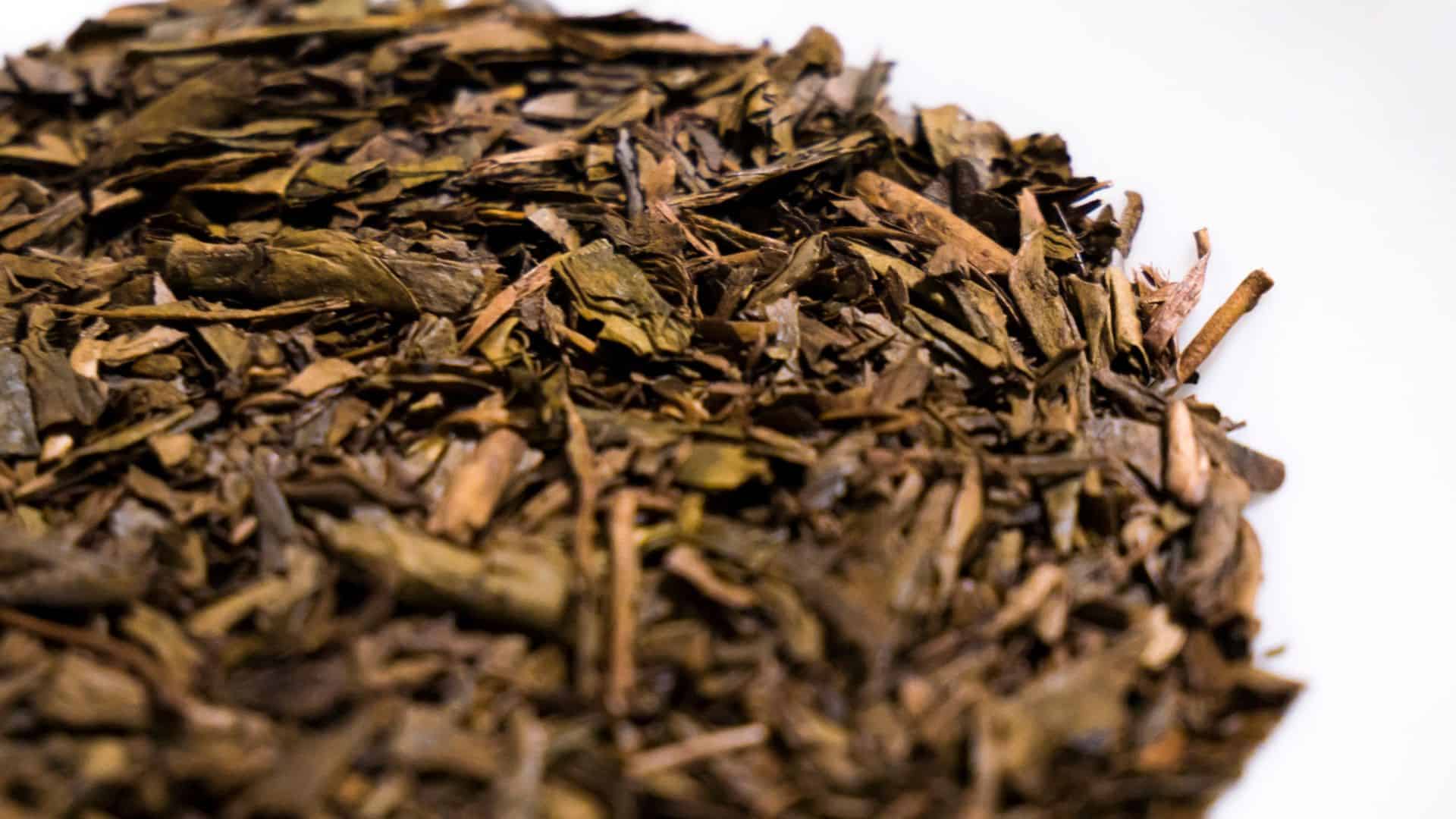
Hojicha takes a different path. It is made by roasting green tea leaves, often bancha or sencha, at high temperatures. The roasting process changes the color from green to a warm brown and mellows the taste.
This single step, roasting, is what separates hojicha from most other green teas and shapes nearly every part of the experience.

Flavor and aroma
Now that we've learned a bit about what matcha is, let's dive into the taste profile. It is known for its grassy, slightly sweet taste with a hint of bitterness. The flavor is layered and often described as rich or umami-forward. The aroma leans fresh and vegetal, which some people love and others take time to get used to.
Hojicha is softer. The roasting process removes much of the grassy edge and replaces it with warm, nutty notes. Some describe hints of caramel or toasted grain. The aroma is closer to roasted coffee or toasted rice than a traditional green tea.
This difference is a key reason hojicha is trending. It feels more familiar to people who may not enjoy matcha's sharper profile. The contrast between the two is clear from the first sip.
Caffeine content
Caffeine is another point where these teas part ways.
Matcha contains more caffeine because the whole leaf is consumed. A typical serving can offer a sustained energy boost, often described as calmer than coffee but still noticeable.
Hojicha is naturally lower in caffeine. The roasting process reduces caffeine levels, and the types of leaves used also tend to have lower levels. This makes hojicha a common choice for late afternoons or evenings.
For people trying to cut back on caffeine without giving up a warm drink, hojicha offers an easy option.
Preparation styles
How each tea is prepared also shapes how people use it at home.
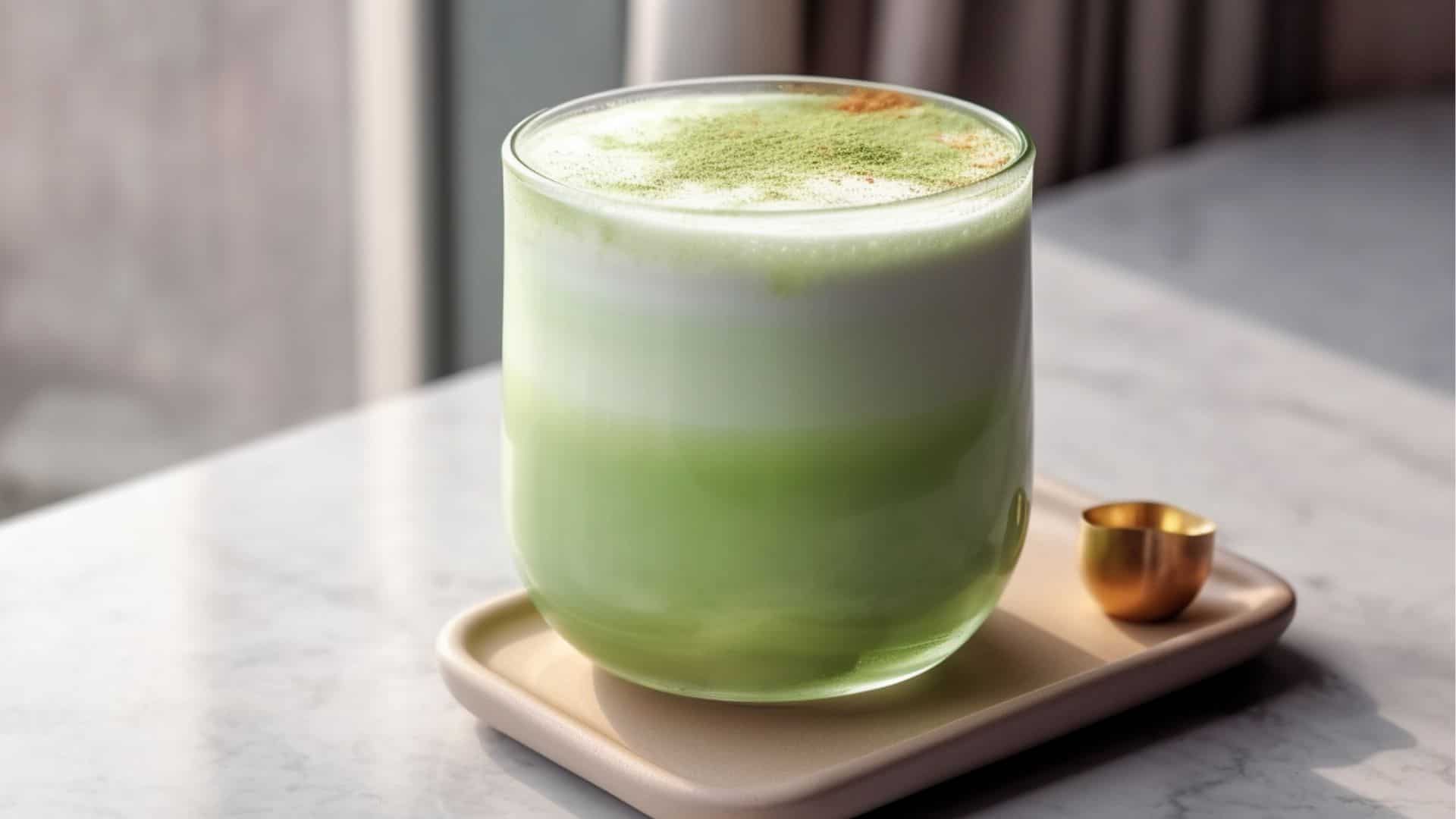
Matcha is whisked with hot water using a bamboo whisk until it becomes smooth and slightly frothy. It can also be added to lattes, used to create delicious matcha desserts, and baked goods. The process has a ritual-like feel, even in casual settings.
Hojicha is typically brewed like a standard loose-leaf tea. Leaves are steeped in hot water for a short time, then strained. It can also be ground into a powder and used in lattes, though this is less traditional.
The simpler preparation makes hojicha more approachable for people who want a low-effort option without special tools.
Health profile
Both teas come from green tea leaves, so they share some common benefits. They contain antioxidants and compounds that support general wellness.
Matcha is often highlighted for its high concentration of catechins, since the entire leaf is consumed. This makes it appealing to those focused on nutrient density.
Hojicha still offers antioxidants, though in lower amounts compared to matcha. The roasting process slightly reduces some of these compounds. At the same time, it makes the tea gentler on the stomach for many people.
Some find hojicha easier to drink daily, especially if they are sensitive to bitterness or caffeine.
Why hojicha is trending
Hojicha’s rise is not happening by accident. It fits into several current habits and preferences.
First, there is growing interest in lower-caffeine drinks. Many people are looking for ways to scale back without giving up routine. Hojicha provides that balance.
Second, its flavor feels more accessible. Not everyone enjoys the intensity of matcha, especially at first. Hojicha offers a softer entry point into Japanese teas.
Cafés have also started to feature hojicha in lattes and seasonal drinks. Its warm, roasted taste pairs well with milk and sweet flavors, making it easy to incorporate into menus that already highlight coffee and espresso.
Social media has played a role as well. Hojicha lattes, with their creamy brown color and subtle sweetness, have become a visual alternative to the bright green matcha drinks that have dominated for years.
@miiisheru shows how to make a hojicha latte.
Matcha’s staying power
Even with hojicha gaining ground, matcha remains widely popular.
Its strong identity, from its color to its preparation, keeps it at the center of tea culture. It is tied to tradition but also adapts well to modern recipes, from smoothies to baked goods, and these matcha brownies are the perfect example.
Many people continue to reach for matcha for its energy boost and its distinct taste. It offers something that hojicha does not: a more concentrated experience.
Rather than replacing matcha, hojicha is expanding the conversation around what green tea can be.
The takeaway
Matcha and hojicha may start from the same plant, but they offer two very different experiences. Matcha is bright and energizing. Hojicha is warm and easy to return to throughout the day.
Hojicha’s growing popularity reflects a shift toward balance and flexibility in everyday routines. It meets people where they are, whether they want less caffeine or simply something new.
The rise of hojicha does not push matcha aside. It adds another option, one that broadens the way people think about tea and its place in daily life.
Leave a Reply