
Buying ground beef sounds straightforward. Most people grab a familiar brand or store-label package and move on without paying much attention to what’s written on the front. But not all ground beef is the same. Different fat ratios and cuts have their own flavors and textures. Once you understand what those terms actually mean, choosing the right ground beef for burgers, meatballs, or other dishes becomes a lot easier.

What the numbers actually mean
When you see something like 80/20 or 90/10, it is simply the lean-to-fat ratio. The first number is the percentage of lean meat, and the second is the percentage of fat. An 80/20 blend means 80 percent lean meat and 20 percent fat, while 90/10 means 90 percent lean and 10 percent fat.
That ratio directly affects how the meat cooks, how it tastes, and even how much you end up with after cooking. It is one of those small details that can completely change the final result.
Fat is not just there for calories. It plays a major role in flavor and moisture. Ground beef with a higher fat percentage tends to be juicier and more flavorful. It is also more forgiving if you cook it a little too long.
On the flip side, leaner ground beef cooks up firmer and produces less grease. It also holds its shape a bit better, but it can dry out faster if you are not careful.
There is also a practical difference in cooking yield. Higher-fat beef will shrink more because the fat renders out during cooking. Leaner beef keeps more of its original weight, which is something to keep in mind when planning portions.
The easiest way to think about ground beef is to match the fat level to the role it plays in your dish. If the beef is the main focus, like in burgers, a higher fat ratio will give you better flavor and texture.
If the beef is part of a larger dish with sauces or other ingredients, a leaner option usually makes more sense. It keeps the dish from becoming too greasy and lets the other components shine.
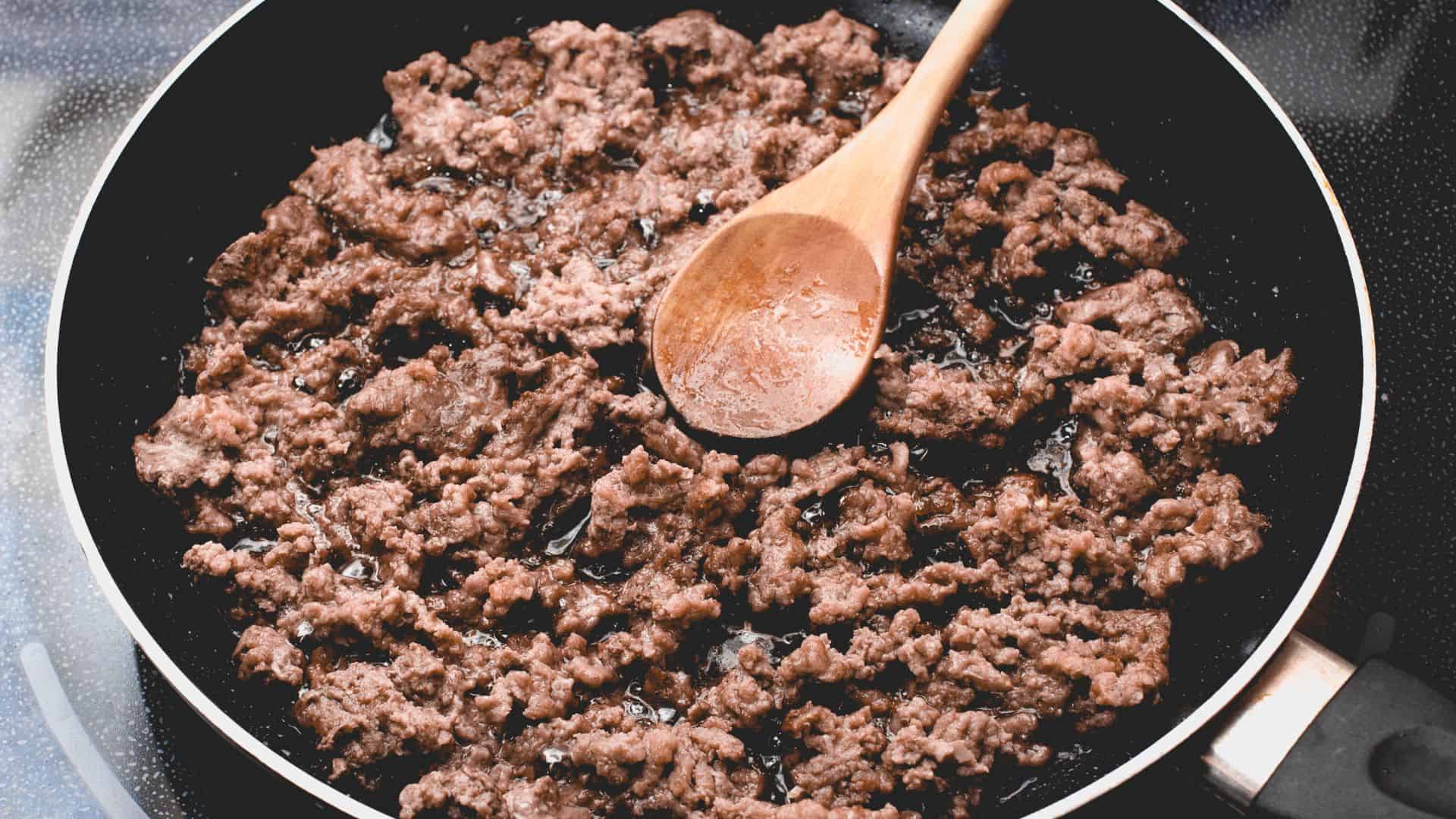
70/30 and 75/25: Affordable high fat options
These higher-fat blends are not always front and center at the store, but they are often available in larger or value packs. They tend to be the most affordable options.
This type of ground beef is extremely rich and flavorful. It is especially good for burgers, where that extra fat helps create a juicy texture and a better crust when cooking. The trade-off is that it produces a lot of grease and shrinks more than other options.
If you are trying to save money or cooking for a group, these blends are often the most economical choice. You just have to be prepared to drain off excess fat depending on the recipe.
80/20: The all-purpose standard
This is the most common ground beef you will find. It strikes a balance between flavor and practicality, making it a reliable choice for a wide range of recipes.
With 80/20, you get enough fat to keep things juicy without overwhelming the dish. It works well for burgers, meatloaf, meatballs, tacos, and just about anything else you might make with ground beef.
In terms of price, it usually sits in the middle. It is easy to find in nearly every grocery store and typically offers the best overall value. If you are not sure what to buy, this is the safest and most versatile option.
85/15: A slightly leaner balance
Moving up to 85/15 gives you a little less fat while still holding onto good flavor. It produces less grease in the pan and has a slightly firmer texture once cooked.
This ratio is a great fit for dishes where you want a cleaner finish without sacrificing too much moisture. It works especially well in meatloaf, meatballs, and skillet meals, where you do not want to deal with draining off a lot of fat.
It is usually a bit more expensive than 80/20, but it is still widely available. For many people, this ends up being a comfortable middle ground between flavor and leanness.
90/10 and 93/7: Leaner and cleaner
These leaner options are popular for recipes that combine beef with other ingredients, such as sauces or broths. Because they contain very little fat, they produce very little grease and shrink less during cooking.
They are often used in tacos, chili, pasta sauces, and casseroles, where the beef is not the only source of flavor. The trade-off is that they can be a bit drier when overcooked, so they pair well with ingredients that add moisture.
Lean ground beef tends to cost more because you are paying for a higher percentage of actual meat. Keep in mind, though, that even though the price is higher, you may end up with more usable cooked meat since less fat cooks off.
What labels like chuck, round, and sirloin mean
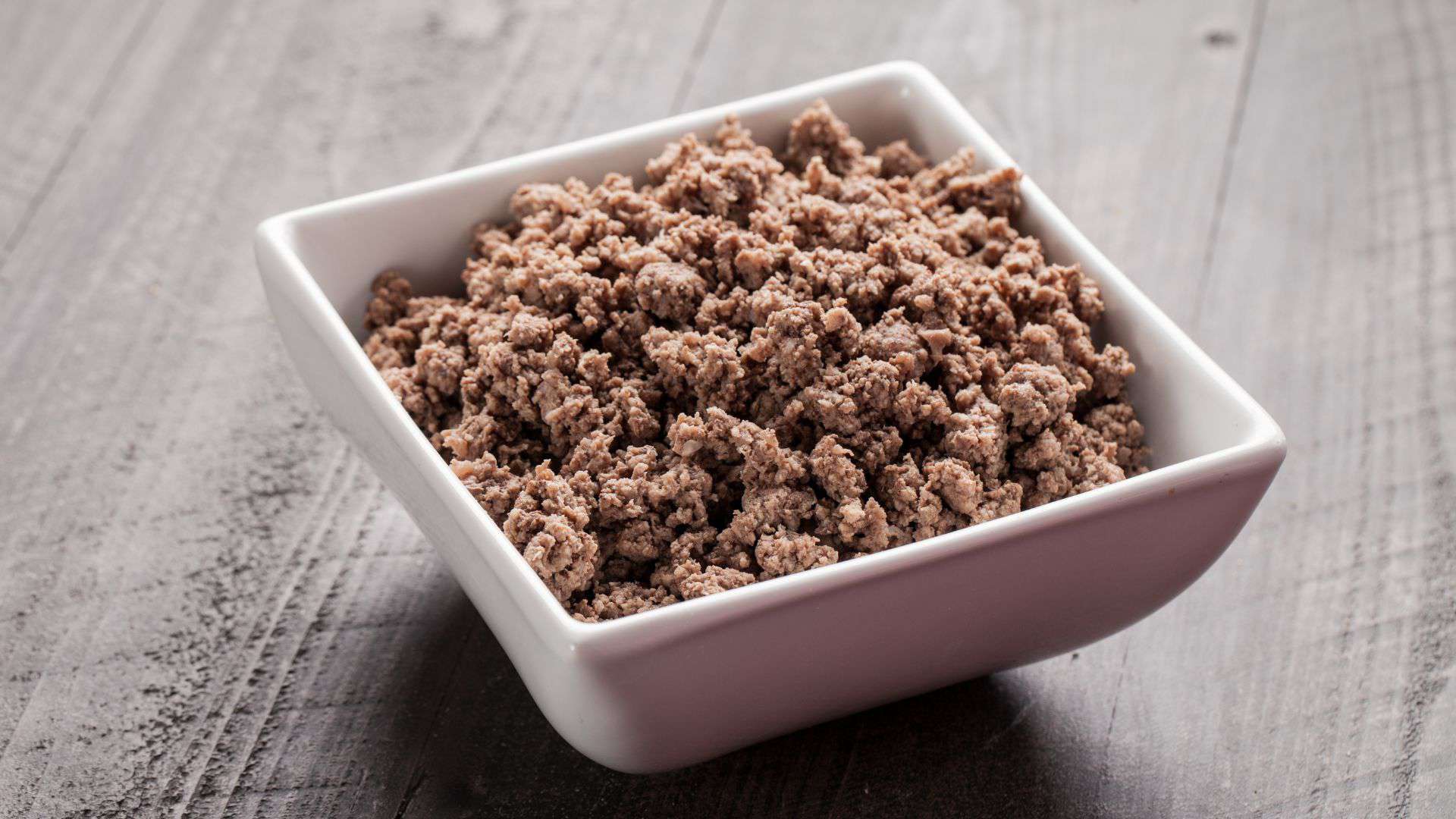
In addition to percentages, you may see ground beef labeled by the cut it comes from. Ground chuck is higher in fat and known for its flavor. Ground round is leaner and a bit firmer, while ground sirloin is one of the leanest options with a tighter texture.
These labels usually align with the fat ratios shown on the package. Chuck tends to fall closer to 80/20, round is often around 85/15, and sirloin is typically in the 90/10 range.
There is no single best ground beef; it is the one that fits what you are making.
Once you start paying attention to the ratios, it becomes second nature to choose the right one. It is a simple shift that can make a noticeable difference in how your meals turn out.
Leave a Reply