
A grocery bill rarely climbs because of one bad purchase. It climbs in tiny increments, a dollar here for the convenience of pre-shredded cheese, fifty cents there for a flavored yogurt cup, until the total at checkout feels disconnected from what is actually in the cart.
The good news is that the reverse is also true. A handful of modest, repeatable swaps, made consistently, can bring that total down without anyone at the table noticing a difference. Here are ten I rely on every week.
Block cheese instead of pre-shredded

I always reach for a block of cheese rather than the bagged shredded version, and the savings are immediate and consistent. Pre-shredded cheese carries a premium for the labor and packaging involved, and that premium shows up clearly in the price per ounce.
A few minutes with a box grater costs nothing, and the cheese you end up with often performs better in the kitchen.
Plus, many bagged shredded cheeses are coated with potato starch or cellulose to prevent clumping in the bag, and that coating can leave sauces slightly grainy or prevent the cheese from melting into the smooth, even layer you want in a casserole or on a pizza.
Plain yogurt instead of flavored cups
A large tub of plain yogurt is one of the more dramatic savings in the dairy aisle once you do the math per serving. Individually packaged flavored cups carry the cost of that packaging, as well as the added sugar, fruit purees, and flavorings, all of which push the price per ounce well above that of plain yogurt sold in bulk.
I buy a large tub and sweeten my own portions with honey, a spoonful of jam, or whatever fruit is in season. This also means I control exactly how sweet my breakfast is, which is something the prepackaged versions never quite get right for my taste.
Whole chicken instead of cut parts
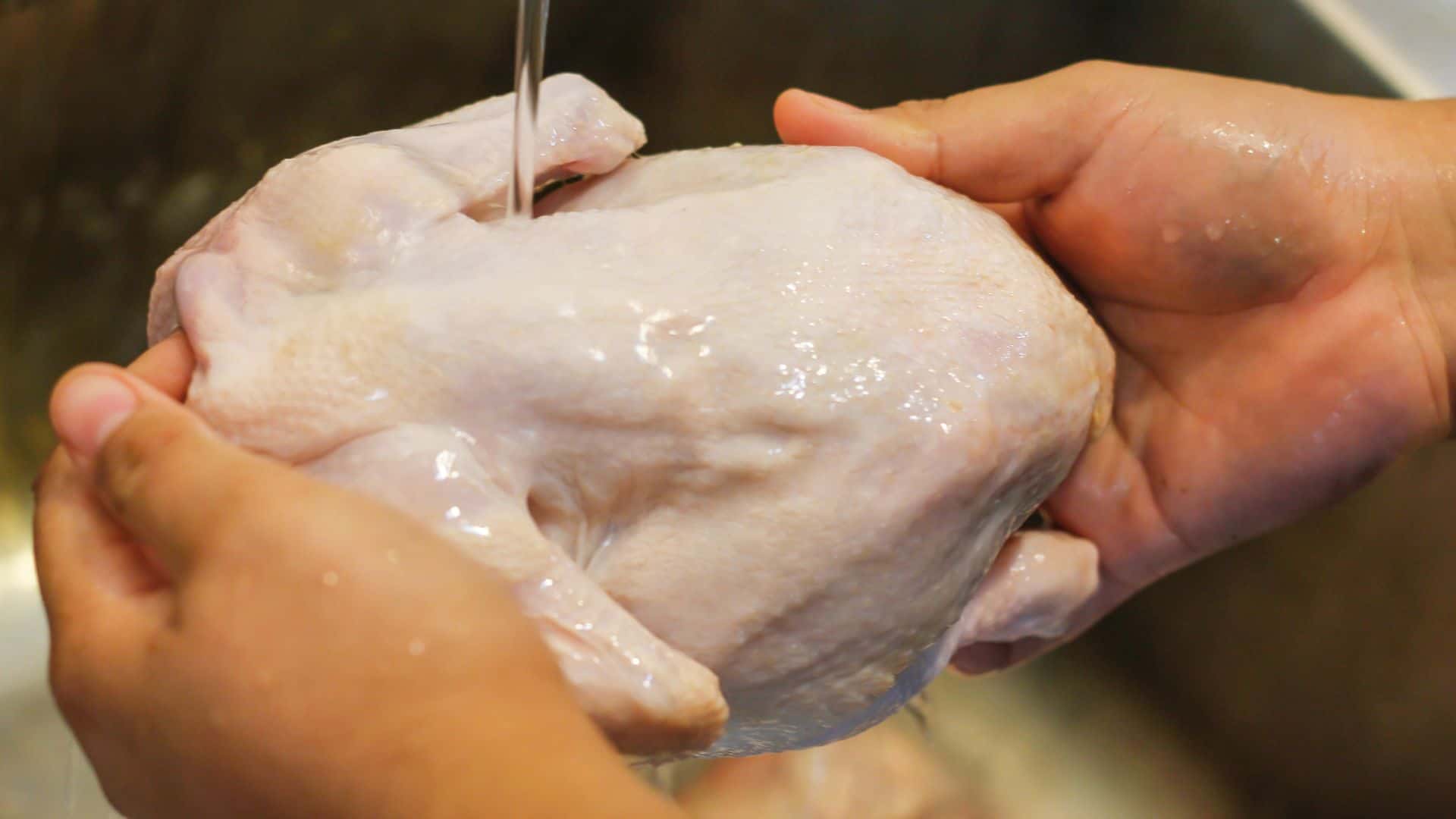
Buying a whole chicken instead of pre-cut breasts or thighs is one of the most reliable ways to lower your cost per pound of protein, and it gives you more than just dinner. Roasting a whole bird provides a main course, often enough leftovers for sandwiches, salads, or a quick weeknight pasta, and a carcass that can be simmered into stock with very little effort.
That stock becomes the base for soups later in the week, which means a single chicken can quietly anchor several meals. Breaking down a whole chicken yourself takes practice, but even if you roast it whole and carve it at the table, the savings compared to buying parts separately are substantial.
Store brand pantry staples
For flour, sugar, oats, baking soda, and similar pantry basics, I buy store brand without a second thought. These ingredients are frequently produced in the same facilities as their name-brand counterparts, sometimes on the same production lines, and the differences are negligible once the ingredient is measured into a recipe.
The price difference on these staples, especially on items you buy in five-pound bags, adds up quickly over a year of regular baking.
In season produce over imported

Shopping with the seasons is one of those swaps that asks for a little flexibility in exchange for a meaningful difference in both cost and flavor. A winter squash, a head of cabbage, or a citrus fruit in the colder months will typically taste better and cost less than a tomato or a bell pepper that has been shipped in from somewhere warm during the off-season.
Produce that is in season locally or regionally has traveled a shorter distance and spent less time in storage, both of which translate into lower prices and better flavor. Letting the season guide a few meals each week, rather than working from a fixed shopping list, opens up recipes you might not otherwise try and tends to lower the total at checkout.
Canned tomatoes instead of fresh for cooking
For sauces, soups, stews, and braises, canned tomatoes are not a compromise; they are often the better choice. Tomatoes destined for canning are picked and processed at peak ripeness, which often makes them more flavorful than an off-season fresh tomato picked early to survive shipping.
Canned tomatoes also cost considerably less per pound and store indefinitely in the pantry, which means there is no waste if your plans change. I keep a steady supply of whole peeled, crushed, and diced tomatoes on hand and use fresh tomatoes only when they are in season and the dish calls for their raw texture, like a salad or a quick salsa.
None of these swaps will transform your finances overnight, but together they shift the weekly total in a way you will notice by the end of the month, all without changing how good your food tastes.
Leave a Reply