
Gas, electric, and induction stoves each promise control and better meals. The real difference shows up in daily use and how you like to cook.
Choosing a stove is not a small upgrade. It shapes how dinner comes together on a busy weeknight and how smoothly a holiday meal runs. The debate has grown in recent years, but most kitchens still come down to three main options: gas, traditional electric, and induction. Each has clear strengths and real drawbacks. The best fit depends on how you cook and what trade-offs you can live with.
Gas stoves
Gas has long been seen as the gold standard in many kitchens. The open flame offers instant visual feedback. Turn the knob, see the flame rise or fall, and adjust in seconds.
Pros
Gas offers fast heat and easy control. The flame responds immediately to your adjustments, which helps when you are simmering a sauce or trying not to burn garlic. Many say this direct control feels natural.
Gas also works during a power outage. As long as the gas line is active and you can light the burner, you can still cook. In areas prone to storms, that matters.
Another benefit is compatibility. Gas works with nearly all types of cookware. You do not need special pots or pans, which saves the headache of swapping out and the cost.

Cons
Cleaning a gas stove can be frustrating. Grates or burner caps, and drip pans collect grease and spills. A boil-over can mean scrubbing multiple parts, and that requires taking off different parts of the stove.
Indoor air quality is another concern. Gas stoves release nitrogen dioxide and other byproducts when in use. Good ventilation helps, but not every kitchen has a strong vent hood.
Installation can also be costly if your home does not already have a gas line. Adding a new line increases the total price. In some areas, new gas hookups are subject to local restrictions, which can limit options for new builds.
Gas stoves also tend to lose heat around the sides of the pan. That means some energy escapes into the air instead of going straight into the food.
Electric coil and smooth-top stoves
Traditional electric stoves use either exposed coils or a smooth glass-ceramic surface with radiant heat underneath. They are common in apartments and entry-level homes.
Pros
Electric stoves are often less expensive upfront, and installing dedicated wires for the stove is significantly cheaper than installing a gas pipeline.
Smooth-top electric ranges offer a flat surface that wipes clean more easily than gas grates. Without open flames or removable parts, daily cleanup can be faster.
They also do not burn gas indoors, eliminating concerns about combustion byproducts. For people focused on indoor air, that can be a plus.
Electric ovens, which often come paired with these cooktops, tend to provide steady baking heat, and many bakers prefer that consistency.
Cons
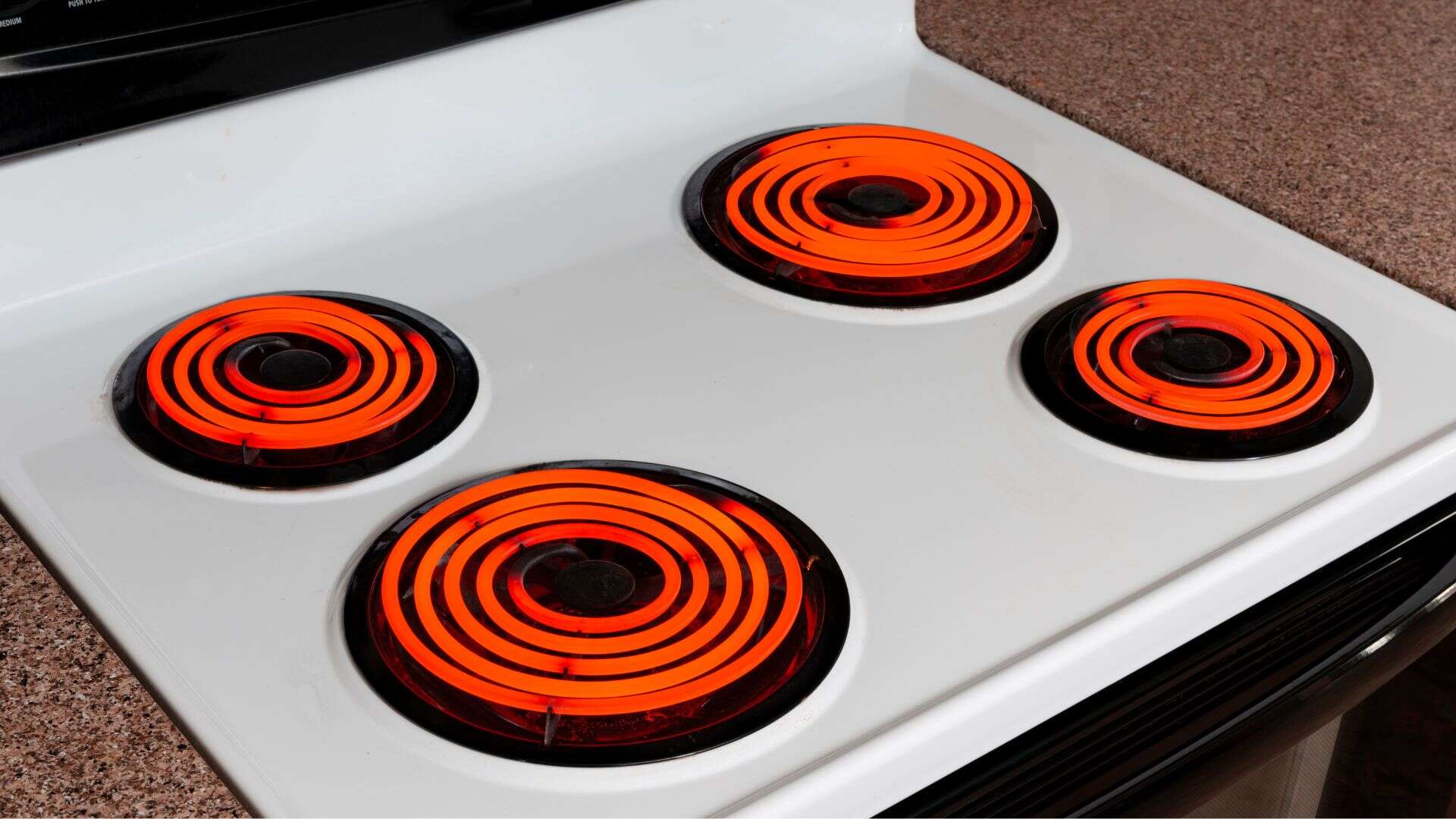
Heat control can feel slower. Electric coils take time to warm up and cool down. If a pot begins to boil over, turning down the dial does not produce an instant drop in heat. Residual heat can also lead to overcooking. The burner may still be hot even after you turn it off, and that can be frustrating when precision matters.
Smooth-top surfaces can scratch if you slide heavy pans across them, and some cookware with rough bottoms may leave marks. Spills that burn onto the surface can also require special cleaners, which adds to the frustration and cost.
Electric stoves are ineffective during outages because they don't work without electricity.

Induction cooktops
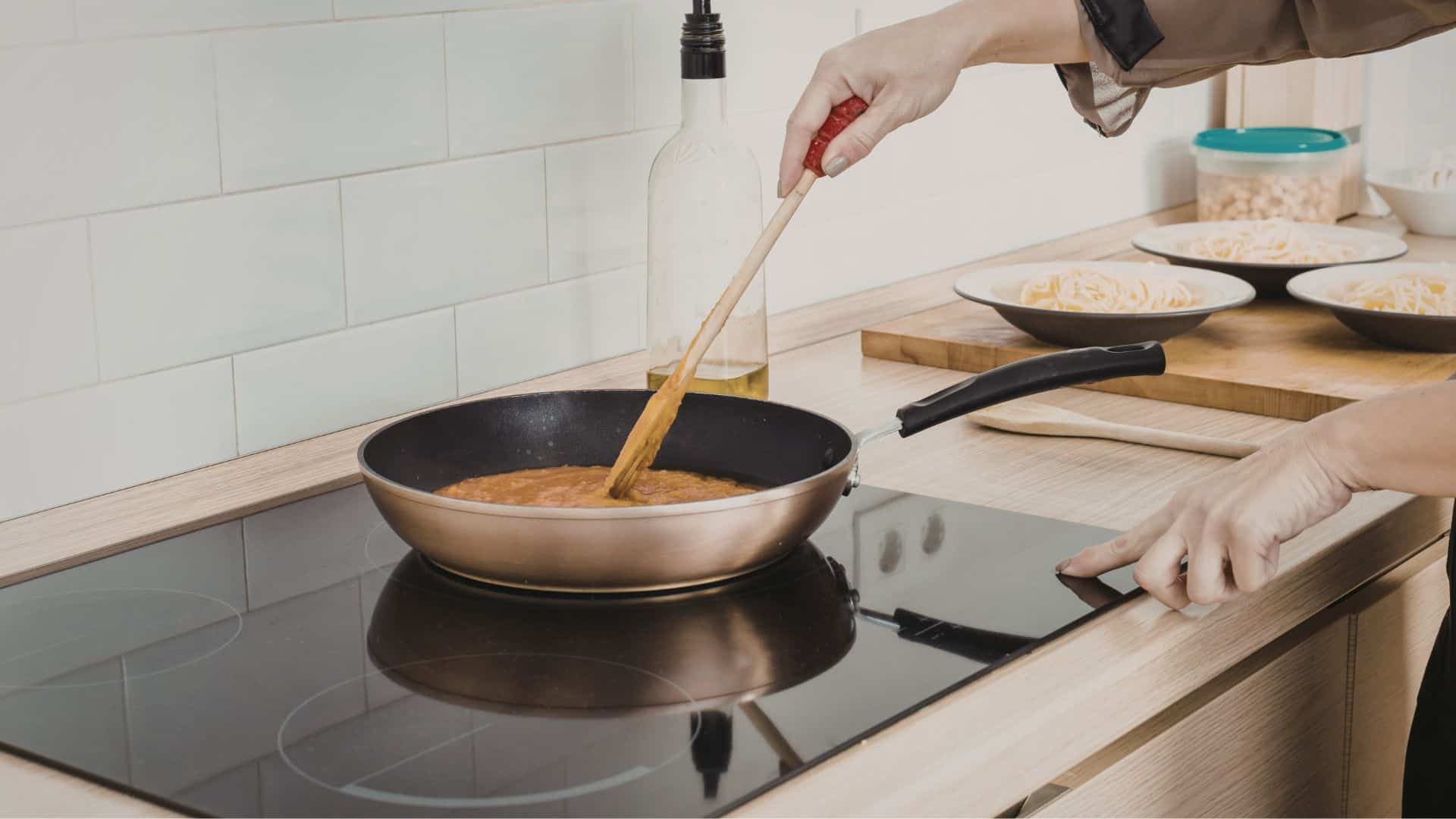
Induction stoves are similar to traditional electric stoves but much more efficient. Instead of heating a burner that then heats the pan, induction uses electromagnetic energy to heat the cookware directly.
Pros
Speed is one of induction’s biggest advantages. Water can boil significantly faster than on a gas or traditional electric stove. Because the pan itself becomes the heat source, energy transfer is efficient.
Control is precise. Adjusting the temperature results in an immediate change, closer to the responsiveness of gas. Many induction models allow low, steady simmers without scorching.
The surface stays relatively cool. Only the area under the pan heats up, and it cools quickly once the pan is removed. That reduces burn risk and makes cleanup easier. This also means that spills are less likely to bake onto the surface.
Energy efficiency is another benefit. Induction sends more heat directly into the cookware, with less wasted heat into the surrounding air.

Cons
Cookware compatibility is the main hurdle. Induction requires pots with a flat magnetic base. Cast iron and many stainless steel pieces work well, but aluminum and copper do not unless they have a magnetic base. This may require some kitchens to have a full cookware update.
The upfront cost is higher as well. Induction ranges and cooktops often carry a higher price tag than basic gas or electric models. Electrical upgrades may also be needed. These appliances require high power and a dedicated electric wire is often needed.
Some people notice a faint humming sound when the cooktop is running at high power. It is not loud, but it can be noticeable in quiet kitchens, which could bother people who have sensitive hearing.
There is also a learning curve. The speed and sensitivity can surprise people who are used to slower electric coils.
Safety and air quality
Safety concerns vary by type. Gas involves an open flame, which increases fire risk if towels or paper products get too close. Gas leaks, though rare with proper maintenance, are serious and can prompt some to seek other solutions.
Electric coil burners stay hot long after use. It is easy to forget that a red glow is no longer visible even though the surface remains hot. Many people have burned towels or their hands by overlooking this fact.
Induction reduces some of these risks. Without an open flame and with faster cooling surfaces, the risk of accidental burns can be lower. Still, the cookware itself becomes very hot, so caution remains important.
Air quality has become a bigger topic in recent years. Gas stoves release combustion byproducts indoors. According to the Environmental Health Sciences Center, cooking with a gas stove is a major source of household air pollution. Strong ventilation helps, but not every home has a high-powered vent hood. Electric and induction models avoid those emissions because they do not burn fuel inside the kitchen.
Cost over time

Upfront cost is only part of the equation. Gas prices and electricity rates vary by region. In some areas, gas remains cheaper to operate. In others, rising gas rates narrow the gap.
Induction’s efficiency can lower energy use, but savings depend on how often you cook and local utility costs. Over several years, the difference in energy bills may be modest compared to the purchase price.
Maintenance also plays a role. Gas burners may require occasional cleaning or replacement of parts. Smooth-top electric and induction surfaces may need careful handling to avoid cracks or scratches and will likely need to be replaced sooner than a gas stove.
So which makes the most sense?
There is no single winner. The right choice depends on your priorities.
If you value visible flame control and already have a gas line, gas can feel intuitive and reliable. If budget and simplicity matter most, traditional electric may be the easiest path.
If speed and easy cleanup are high priorities, induction stands out. Many who switch to induction say they would not go back, especially once they adjust to the pace.
Before deciding, think about how you cook. Do you simmer sauces for hours or mostly boil pasta and sauté vegetables? Are you remodeling a full kitchen or replacing a single appliance? Do you want the lowest upfront cost or the most modern features?
A stove is used almost every day. The best option is the one that fits your habits and your comfort level. In the end, the smartest choice is not about trends. It is about what works in your kitchen when dinner needs to get on the table.
Leave a Reply