
Buying a turkey may seem simple, but the choice between fresh and frozen can change your entire Thanksgiving experience. From flavor and texture to price and prep time, each option has its pros and cons. Understanding what you’re purchasing can help you choose the best bird for your table.
What is the difference between a fresh turkey and a frozen turkey?
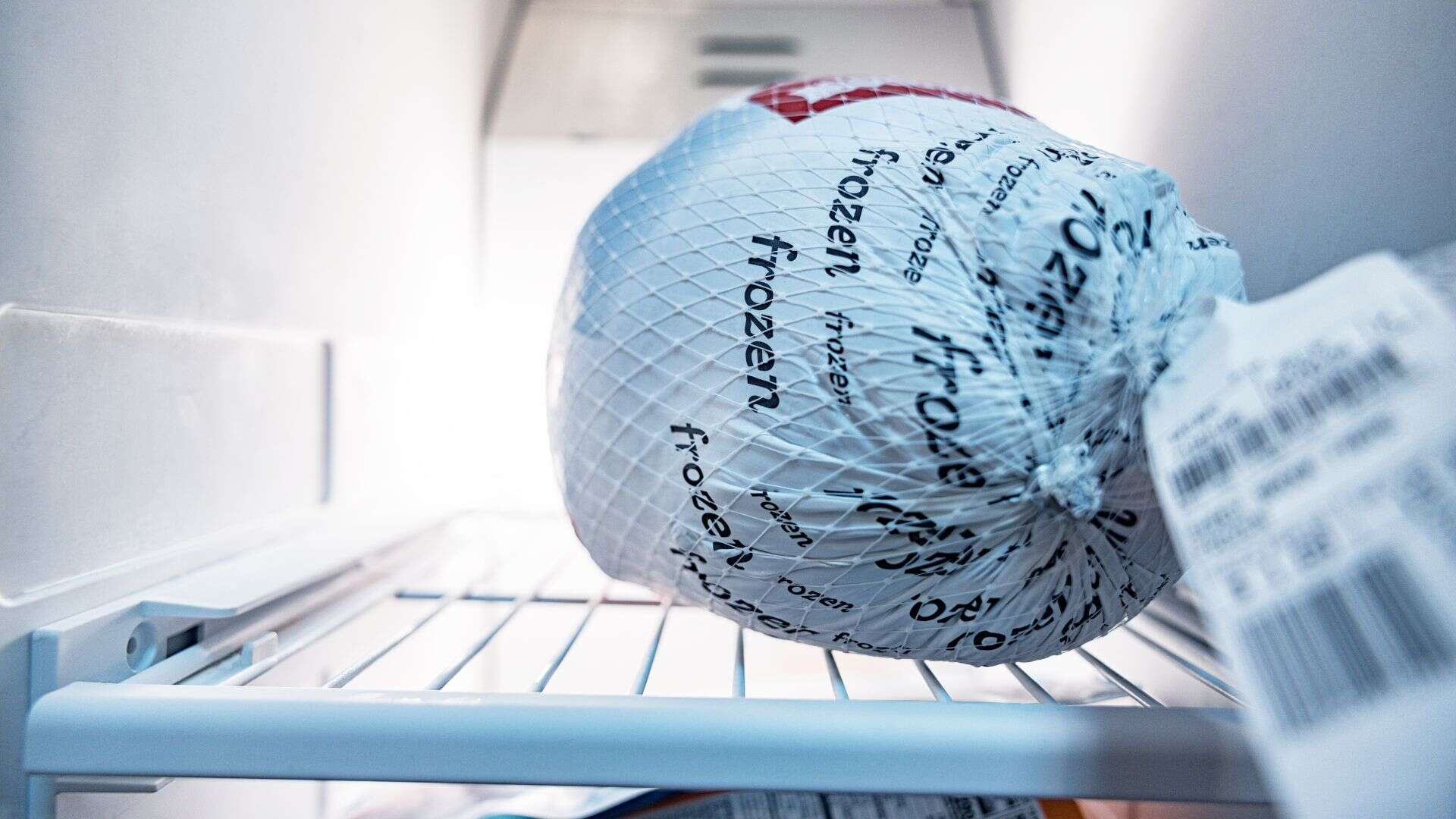
At the most basic level, fresh and frozen refer to how the turkey was handled and stored, rather than any difference in quality. To be exact, according to the United States Department of Agriculture (USDA), fresh turkeys are those that have never been chilled below about 26 °F and remain refrigerated, while frozen turkeys have been held at 0 °F or below.
Should I choose a fresh or frozen turkey?
The answer depends on your timeframe and the cooking deadline. So, be sure to choose the bird that fits your timeline and kitchen.
Choose fresh if:
- You’ll purchase the bird only a day or two before cooking, and you'll have refrigerator space to keep it properly chilled.
- You prefer not to plan or deal with thawing ahead of time.
- You're fine paying a premium, and you’re comfortable purchasing closer to your event date, even if it risks being out of stock.
Choose frozen if:
- You’re buying well in advance of your cooking date (weeks or even months ahead).
- You have the freezer space and you’re comfortable letting it thaw properly.
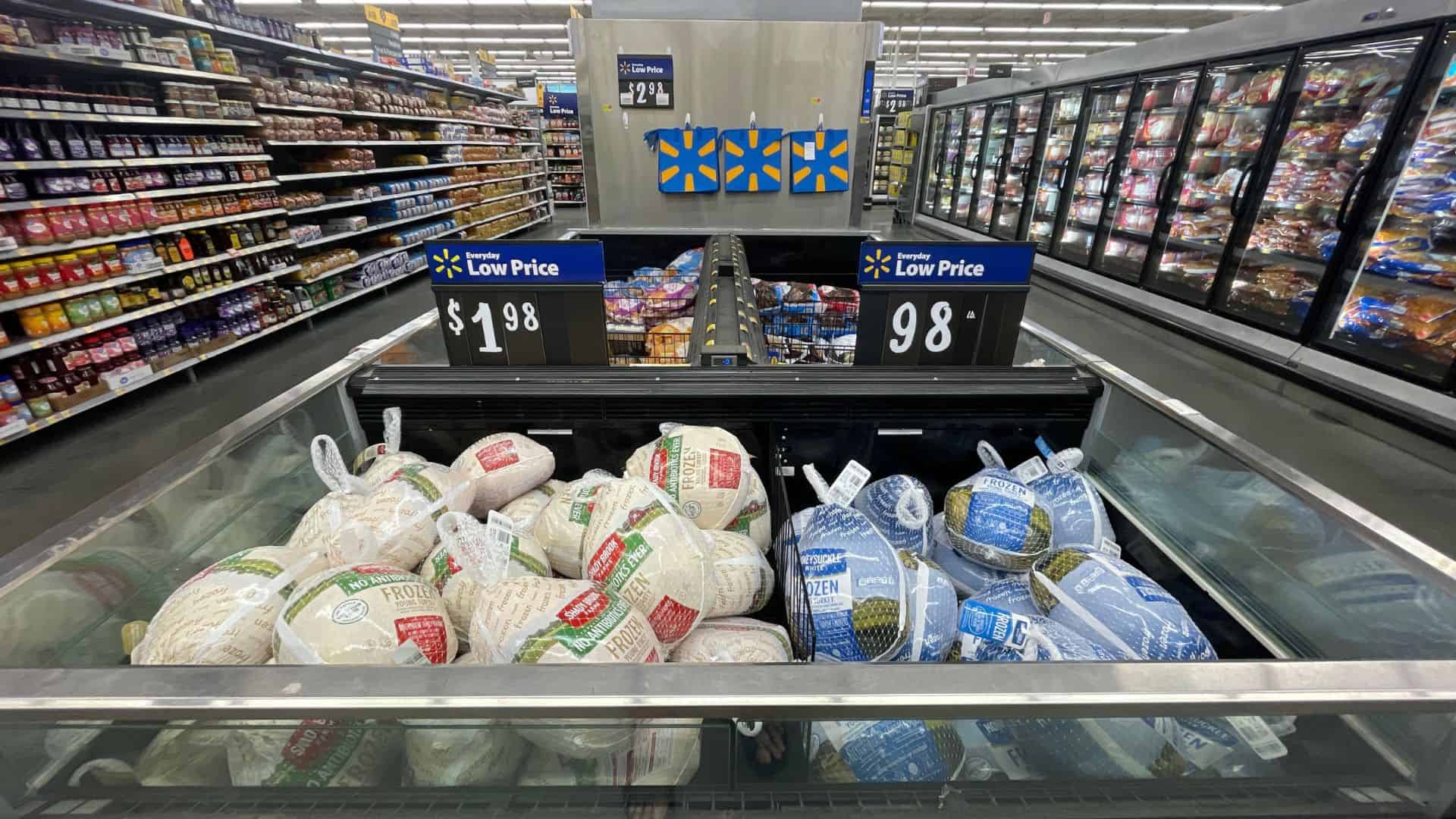
- You want to pay a cheaper price without the stress of turkeys being sold out.
How do I know how much turkey to buy for my gathering?
Good planning avoids either too much leftover bird or not enough. Plan for 1 to 1½ pounds of uncooked turkey per person, yielding roughly 10 ounces of cooked turkey per person.
If you want bigger servings or want leftovers, bump up those numbers. You could also purchase a smaller turkey to cut costs and add more side dishes to the table to fill bellies full.

What should I inspect on the turkey label and packaging?
When you’re at the store or ordering ahead, the label provides important details that shouldn't be overlooked.
Look at 'Best by', 'Use by', and 'Sell by' dates. 'Best if Used By/Before' indicates flavor quality, not necessarily safety. Make sure the USDA or state mark of inspection appears on the packaging, indicating compliance with food safety standards.
Labels that say self‐basted, basted, free-range, organic, and no antibiotics will affect the price and, sometimes, the flavor. Self-basted or basted means the turkey has been injected with a solution that increases its sodium content. More on this later.
Most importantly, make sure that the package is intact, free of damage, leakage, or frost. Don't buy if there are signs of freezer burn.
Where and when is the best place/time to buy my turkey?
Big supermarkets typically have both fresh and frozen options. The sooner you can buy a turkey, the better, as there is always a last-minute holiday rush to get them the week before.
On the other hand, local farms or butcher shops may offer high-quality, fresh birds that support local farmers. These likely have to be pre-ordered, as they are typically in high demand and in short supply.
If you’re buying a fresh turkey, you’ll want to shop 1‐2 days before cooking so you don’t risk spoilage. If you’re buying frozen, you can purchase weeks or months in advance, which helps with early planning. Make sure you have freezer space and thaw it appropriately.
How should I store and thaw my turkey safely once I bring it home?
For a fresh turkey, keep it at or below 40°F in your refrigerator. Make sure to place it on a tray or pan to catch any juices. For a frozen turkey, keep it frozen at 0°F or below until you’re ready to thaw.
Thawing:
- The safest method for thawing a turkey is in the refrigerator, allowing approximately 24 hours for every 4‐5 lb of turkey.
- Never thaw at room temperature.
- Once thawed, a fresh bird should be cooked within 1–2 days.
Handling safety:
- Avoid cross-contamination. Keep fresh and frozen raw turkey separate, and wash your hands and surfaces after handling it.
- If you buy a pre-stuffed bird, follow the specific instructions on the packaging. The USDA advises against buying fresh pre-stuffed birds unless they bear the appropriate mark.
No matter if it's fresh or frozen, treat the bird like any other raw protein. Know the timeline, store correctly, keep the area clean, and you’ll set yourself up for success.
Are there special considerations (organic, free-range, self‐basted, size) that matter before I cook?
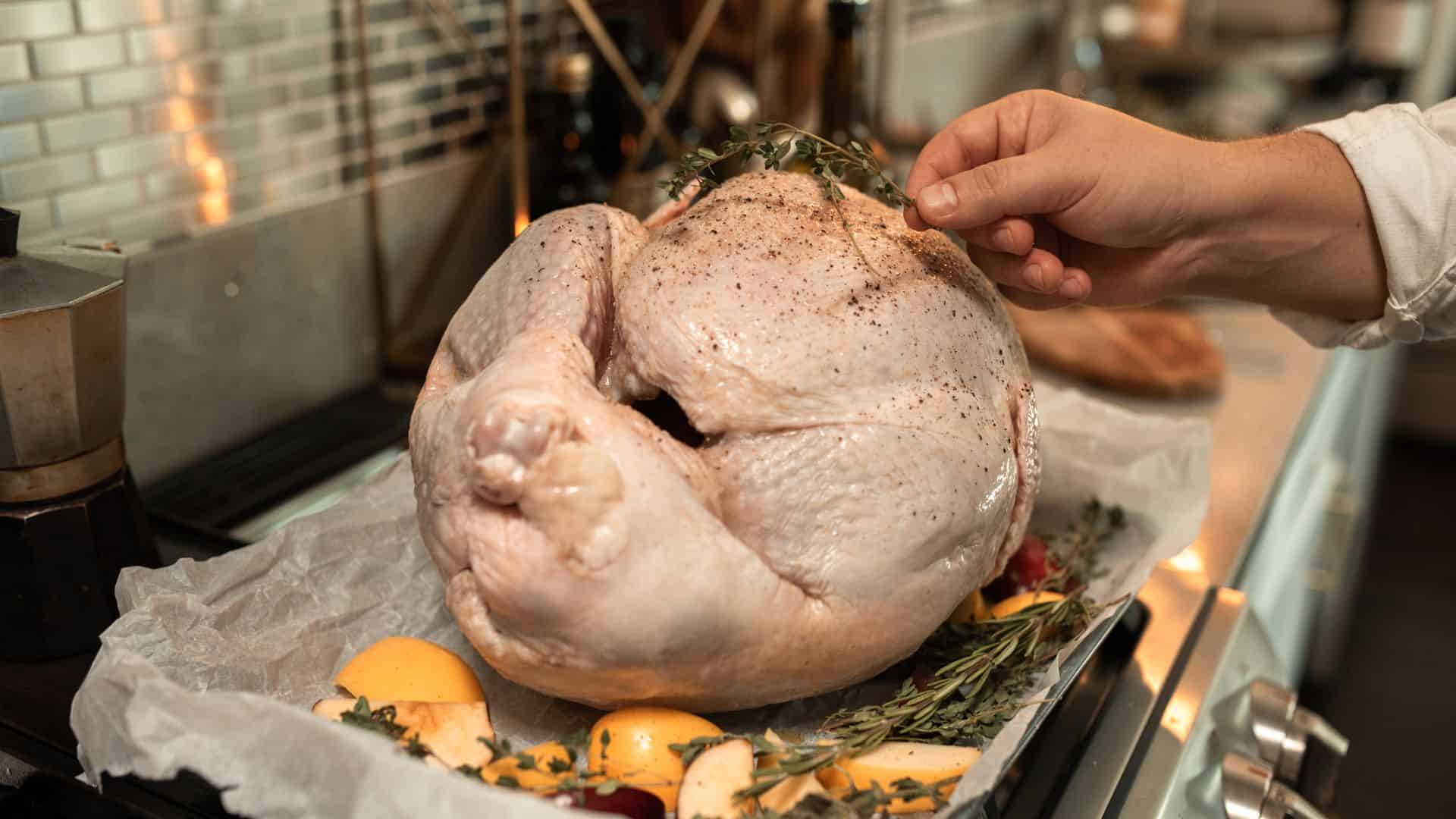
These are all factors that can influence price, flavor, texture, and the logistics of preparation.
Smaller birds cook more evenly and faster, while larger ones take longer and risk uneven cooking. Having a meat thermometer is key to accurate cooking.
Many turkeys come self‐basted or basted, meaning they already have salt injections. These can increase the moisture of the turkey meat, but will likely raise its sodium content. The label will indicate "contains up to X% of solution” if this is the case.
Always check the label. Free‐range relates to a bird’s environment, not necessarily what it's been fed. If these words are on a label, you're going to pay a higher price.
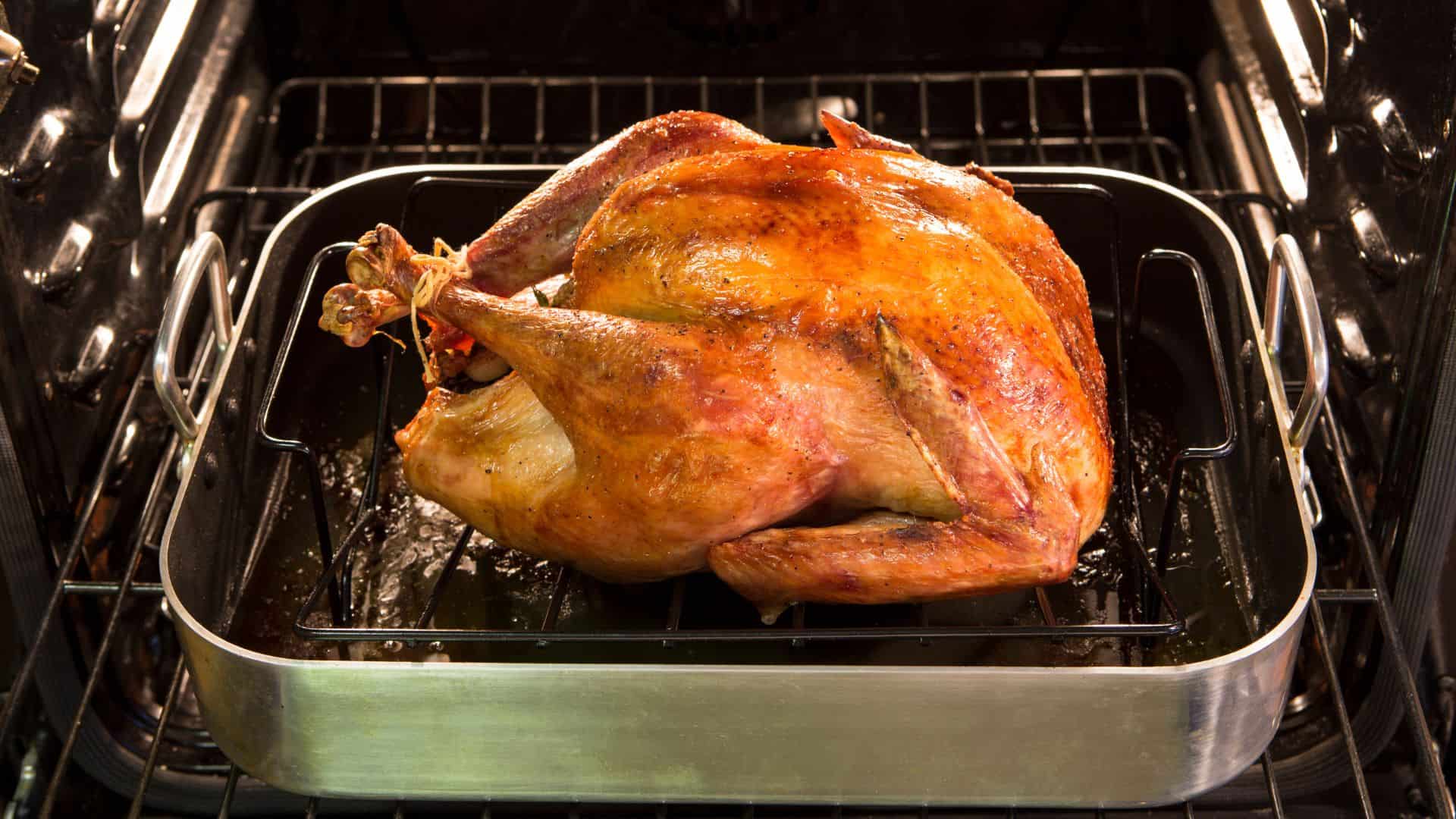
The quality difference between fresh and frozen is minimal. What matters more is buying from a trusted source, making sure the bird is stored and thawed safely, and selecting a size that works for your gathering. With good planning and smart selection, you’ll start your turkey day with confidence and end with a full belly.
Leave a Reply