
Inviting friends over for a home-cooked meal is usually a simple gesture of hospitality, built on shared food and unspoken expectations about comfort and hygiene. But when pets are part of the household, ideas about what’s normal can quickly differ. What feels routine and harmless to one person may cross a line for someone else, especially at the table.
The story
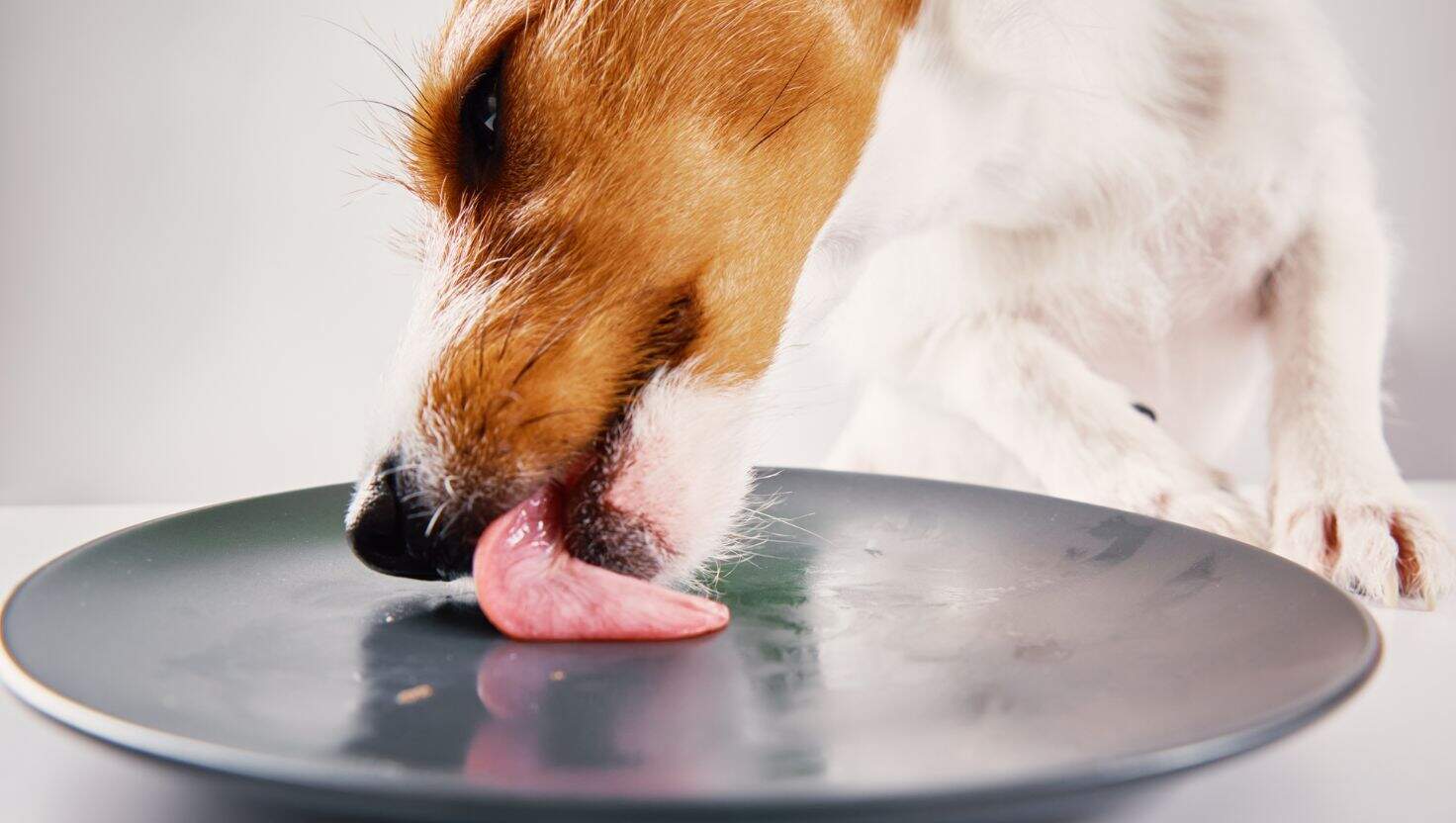
In a recent Reddit thread, it was asked, "Am I in the wrong because I let my dog lick off my plate?" They went on to say that they had a friend over for lunch and made steak. After they eat, they put their plate down for their dog to lick and clean up the leftover food. Their friend acted disgusted, telling them it was unsanitary and that they'd never eat their cooking again because of their hygiene.
The dog owner told them the plates get cleaned in the dishwasher right after, but their friend didn't care.
Now they're wondering if they were in the wrong and if their actions are the problem here.
The reactions
Over 1,000 people jumped in to share their thoughts.
One person related, "If I find dog hair in the food, (we have a Husky, Malamute, and GSD), I will just take it out and continue eating. If I find a human hair, I am done. And I’ve got no clue where these limits come from."
Everyone is different in what feels normal and what doesn't. People who grow up with animals in the home may have a more relaxed approach than those who don't.
Another asked, "So you don’t think dishwashers work?"
They do, but maybe not good enough for what some people consider clean. Again, it's hard to judge people for what they think is clean or clean enough.
This person pointed out, "Besides being disgusting (maybe not logically, but still) and bad manners, it’s also bad behavior for the dog to learn. What the owner eats and what the dog eats should be completely separate. You get a dog who begs and begs and begs at every meal."
Dogs do learn quickly, and if they see a plate, they're going to be waiting for a chance to clean that plate, and this will cause them to beg and sit around close to everyone all the time.
This comment said, "I love my dog, but she has her own dishes, and we do not share. Do you kiss your dog on the mouth, too? It's also a bad idea to let them eat off human plates, because then they view food on plates as their food and will be more likely to scavenge something when you aren't looking."
A lot of people in the thread referenced kissing dogs and the amount of germs on their mouths, and then those same mouths licking off the plates.

Different homes, different hygiene lines
Scroll through the replies, and it becomes clear this debate is less about one plate and more about personal standards.
For some people, pets are woven into everyday routines in ways that feel natural and harmless. They share beds and sometimes quick tastes of leftover food. A dishwasher cycle feels like a clear reset button. If high heat and detergent sanitize restaurant plates that have touched countless strangers, then, logically, a plate that briefly touched a family dog should not be any different after washing.
For others, the issue is not about science. It is about comfort. Clean is not always a technical definition. It is also emotional. The image of a dog’s tongue on a dinner plate can override any explanation about sanitizing cycles and heat levels. Once that mental picture forms, it is hard to separate it from the idea of future meals served on that same dish.
This situation sits in a gray area. There was no obvious malicious intent and no health violation in the legal sense. It was a collision between two different upbringings and two different definitions of what feels acceptable.
The takeaway
Not every disagreement needs a villain. This moment highlights how much of daily life runs on unspoken norms. People rarely sit down and outline their kitchen rules for friends. They assume shared understanding. When that assumption breaks, it can feel shocking.
If there is a lesson here, it may be about awareness rather than blame. Habits that feel automatic inside our own homes can look very different through someone else’s eyes. That does not automatically make them wrong. But once you know someone is uncomfortable, you have new information. What you choose to do with that information matters.
In the end, shared meals are built on trust. When trust feels shaken, even over something small, emotions rise quickly. The healthiest path forward often lies in acknowledging the difference and remembering that long-term friendships usually deserve more weight than a single uncomfortable moment in the kitchen.
Leave a Reply