
You probably don't think twice before tossing ingredients into a salad or snacking on something straight from the produce store. Most of us assume that if it's sold in grocery stores, it's automatically safe to eat. However, that is not true. A recent online discussion talked about foods that can be harmful if not consumed or cooked in a certain way.
The story
A question on Reddit sparked an interesting discussion about everyday foods that need special preparation after someone got sick from eating undercooked beans. They were also surprised when someone else mentioned that a tablespoon of nutmeg is dangerous and asked the community about other common foods that need to be prepared a certain way or should be avoided in higher quantities.
The reactions
Rhubarb
Spring vegetables have a reputation for being healthy, but that's not the case when it comes to rhubarb. It's used for both savory and sweet dishes, but while rhubarb may look harmless, one commenter shared: "Rhubarb. The stems are safe to eat, but the leaves are highly toxic with symptoms ranging from stomach pain to seizures."
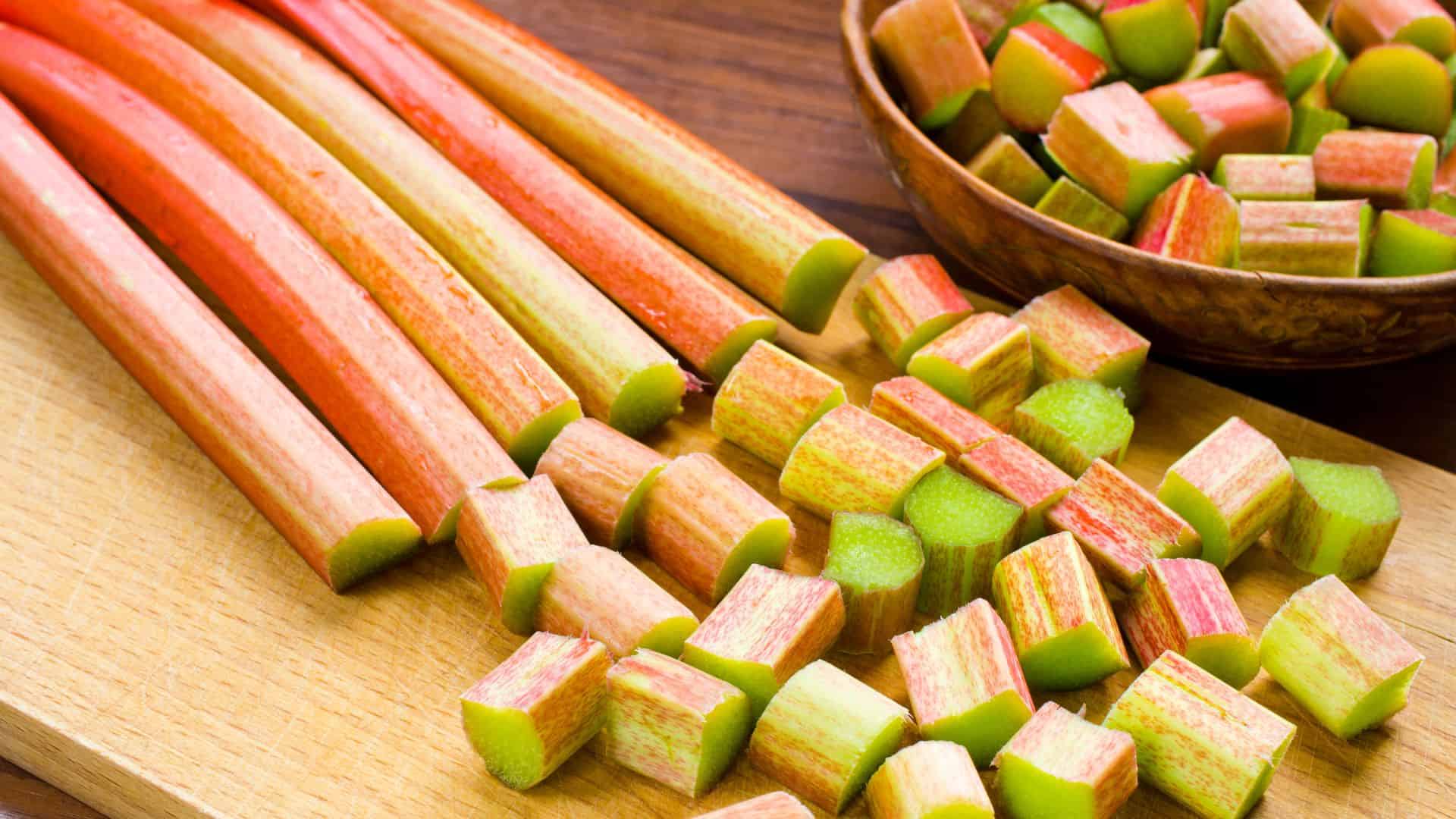
The stalks of rhubarb can be eaten without any issue. However, it is proven that leaves contain oxalic acid that can cause kidney damage, difficulty breathing, or even prove fatal in severe cases. To cook them properly, always trim the leaves completely away from the stalks and dispose of them safely, ensuring they are out of reach of pets and wildlife.
Lentils
While rhubarb's danger lies in its leaves, other everyday foods can be risky when they're undercooked. Lentils, for example, can cause health issues if not cooked through.
"Undercooked lentils can cause some very uncomfortable stomach issues. They don't even have to be still hard inside, just not fully cooked," one person warned. Another added, "Quinoa is the same way."
Lentils and legumes contain a protein called lectin that can trigger digestive problems when consumed undercooked. Raw or undercooked legumes can cause several health issues, such as nausea, vomiting, and diarrhea.
For safe consumption, it is recommended to let lentils reach a full boil and cook until completely tender. Similarly, Quinoa should be rinsed several times before cooking to remove saponins that taste bitter and can upset your stomach.
Brazil nuts
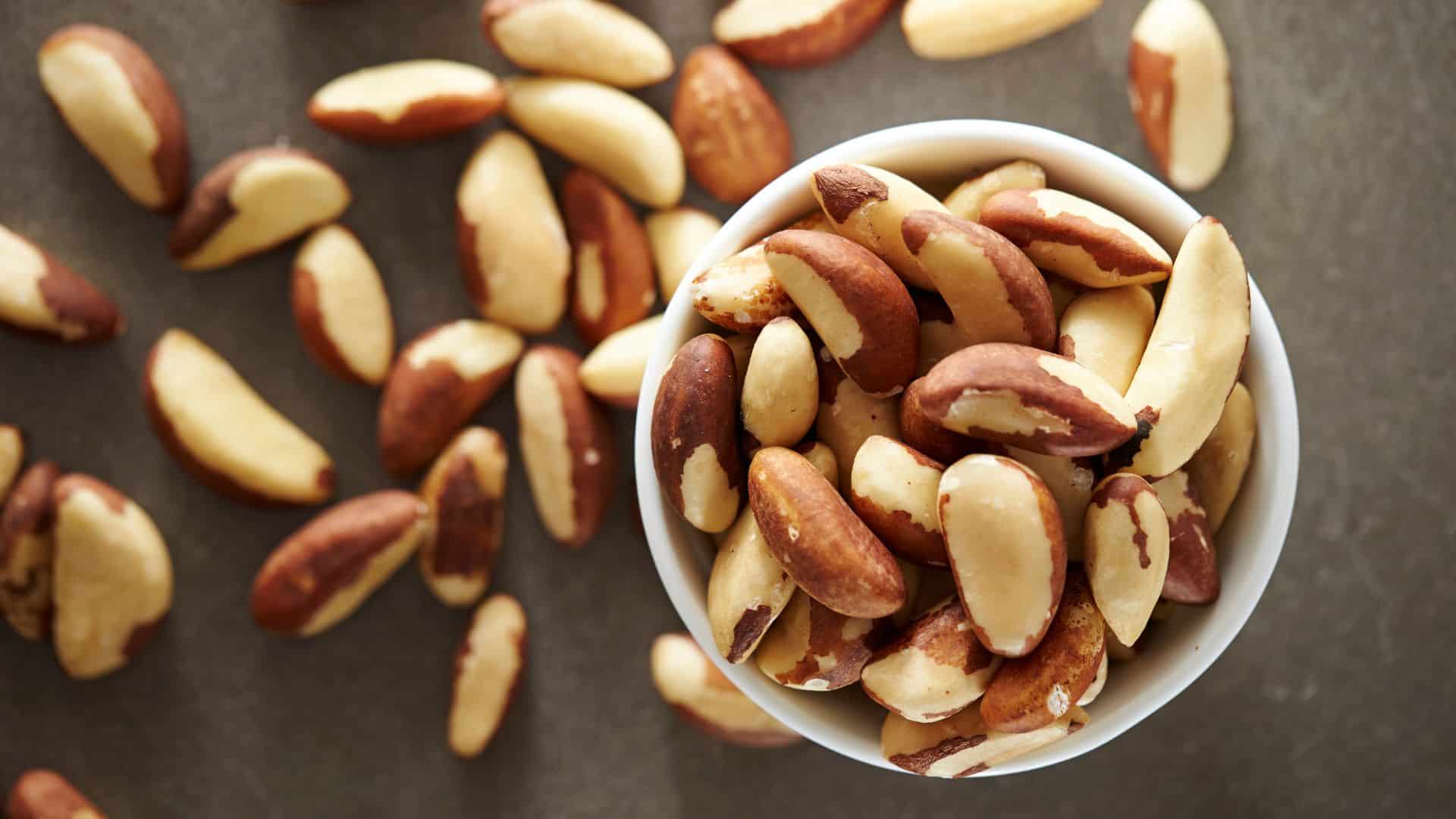
One person commented, "Brazil nuts. The amount you can eat per day without potentially causing issues is very small — like, five nuts." Brazil nuts help support thyroid function, immunity, and reduce inflammation, amongst other benefits. But since they are rich in selenium, they can pose health risks if consumed excessively.
Grapefruit
Some dangers don't come from toxins or cooking methods, but from how foods interact with your medications. "Grapefruit needs special prep by checking your daily medications," one commenter reminded.
Grapefruit and grapefruit juice can block the enzymes in the body, reducing the absorption of certain medicines. Therefore, always check with your doctor before mixing grapefruit with prescriptions.
Lychee
Fruits are generally considered safe; however, lychee has a narrow window of safety. "Lychee flesh needs to be a white color. If it turns transparent, brown, mottled, red, etc., it has spoiled," one commenter said.
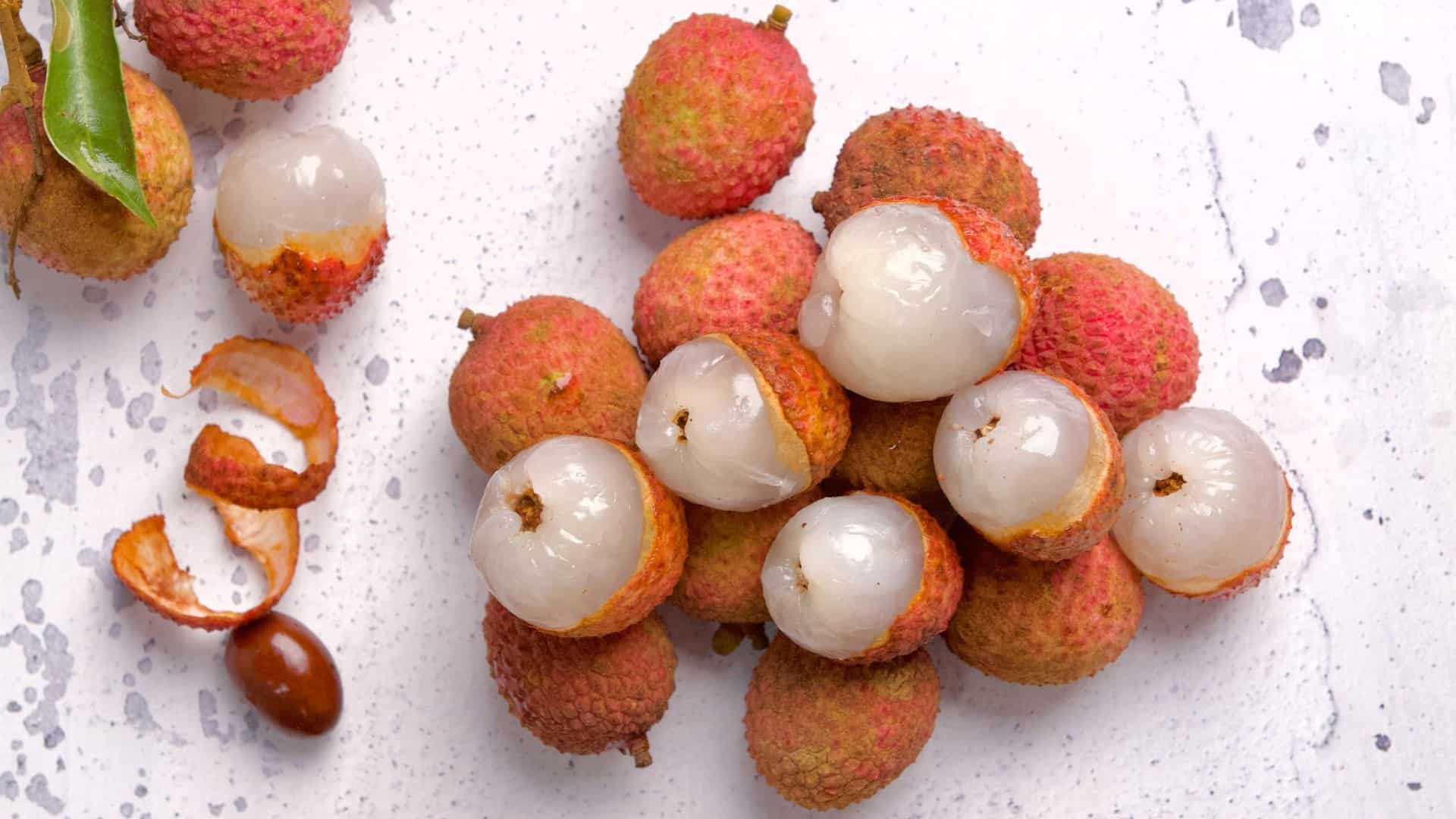
Spoiled or unripe lychees can contain toxins that cause hypoglycemia, especially in children. Before consumption, make sure the flesh is opaque white and firm. Once it turns brown or discolored, it is no longer safe to consume and should be discarded.
Fiddleheads
Fiddleheads are a popular choice among health-conscious eaters since they protect against certain diseases. However, they need to be cooked carefully, or they can cause severe sickness. "Fiddleheads. If you don't boil them, the toxins they contain won't be removed and will make you sick," one commenter said. Another added, "I love them and was instructed to boil them, throw out the water. Boil them again and throw out the water. Do this one more time, and then sauté in butter. Have never had a problem."
Consuming raw or undercooked fiddleheads can cause health issues such as diarrhea, nausea, and vomiting. The proper way to cook fiddleheads is by boiling them for at least 15 minutes or steaming them for 10 to 12 minutes.
Celery
Celery is another vegetable that should be eaten with caution, as one person shared, "Raw celery juice makes your skin EXTREMELY sensitive to sunlight/UV rays. It can cause severe burns and blistering, and sometimes the effect is delayed." They further added, "The burns can surface a few hours after celery + sun exposure."
Celery can cause phytophotodermatitis, a type of plant dermatitis, which is a skin reaction caused by contamination of skin with its sap or juice. Wash your hands thoroughly with soap after handling celery, especially before spending time outdoors. If you notice kids eating celery sticks outside, make sure to wipe their hands and faces right away.
Lettuce
Similarly, lettuce is yet another staple food for health, but surprisingly carries more risk than people realize. Leafy greens cause more foodborne illness outbreaks than almost any other food category.
A commenter warned. "If you don't properly wash out the leaves, LETTUCE can be worse than being poisoned by undercooked or raw chicken or pork. The bacteria hiding in lettuce can include listeria, which is already terrible if you manage to survive the effects."
Always make sure to wash all lettuce thoroughly under running water.
Butternut squash
Just like celery, one person mentioned catching dermatitis from butternut squash: "I cut up a butternut squash and I got 'squash hands'. My skin became hard, cracked, and peeling. Found out right then that raw squash can cause dermatitis."
Raw butternut squash can cause an allergic skin reaction to some people, known as 'squash hands'. To avoid this reaction, wear gloves while peeling or cutting raw squash and wash your hands immediately afterward.
The takeaway
You don't have to avoid these foods altogether, but it's important to be cautious when buying and preparing them. Always read warning labels and follow cooking instructions carefully to help keep you and your family safe from potential side effects.
Leave a Reply