
Cookouts have their own unspoken rules. Most people appreciate someone who shows up with a great side dish, a homemade dessert, or a tray of food that actually complements the menu. But not every contribution receives the same warm welcome.
Over the years, I’ve attended enough backyard barbecues, neighborhood gatherings, and family cookouts to notice a pattern. Certain foods always seem to linger on the table long after everything else has disappeared. Nobody wants to hurt anyone’s feelings, so guests politely take a small spoonful or avoid the dish altogether while loading their plates with favorites.
If you're planning to bring something to your next cookout, these are the foods that often generate more polite smiles than genuine excitement.
Warm mayonnaise-based salads
Potato salad, macaroni salad, and similar dishes can be excellent when prepared properly. The problem starts when they spend hours sitting in the summer heat.
Many guests become cautious once a creamy salad has been sitting outdoors for a while. Even if the dish is perfectly safe, people often avoid taking a second serving because they aren't sure how long it has been out. If you're bringing one of these classics, keeping it properly chilled can make a huge difference.
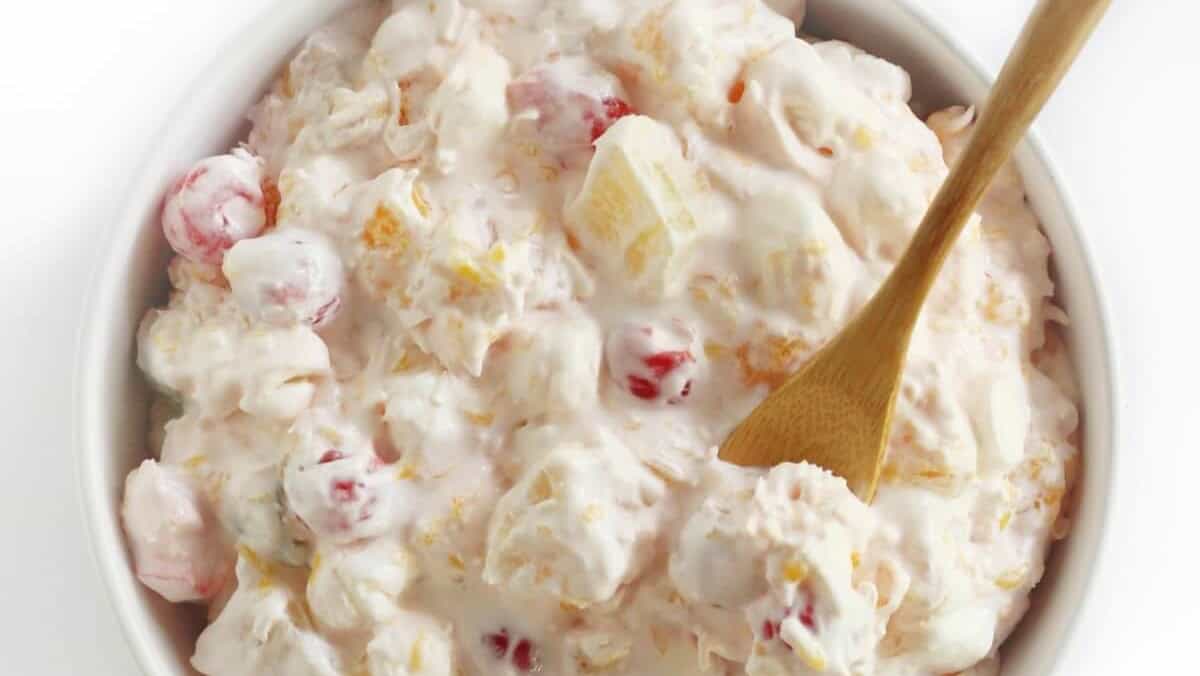
The mystery casserole
Cookouts tend to be casual affairs built around familiar foods. Burgers, hot dogs, grilled chicken, baked beans, and simple sides fit naturally into the occasion.
A heavy casserole packed with ingredients that nobody can immediately identify often struggles to find an audience. Guests usually gravitate toward foods they recognize, especially when there are plenty of other options available. If people have to ask what’s inside before serving themselves, the dish may spend most of the afternoon untouched.
Overly healthy vegetable platters
There is nothing wrong with fresh vegetables. In fact, many people appreciate having lighter options available.
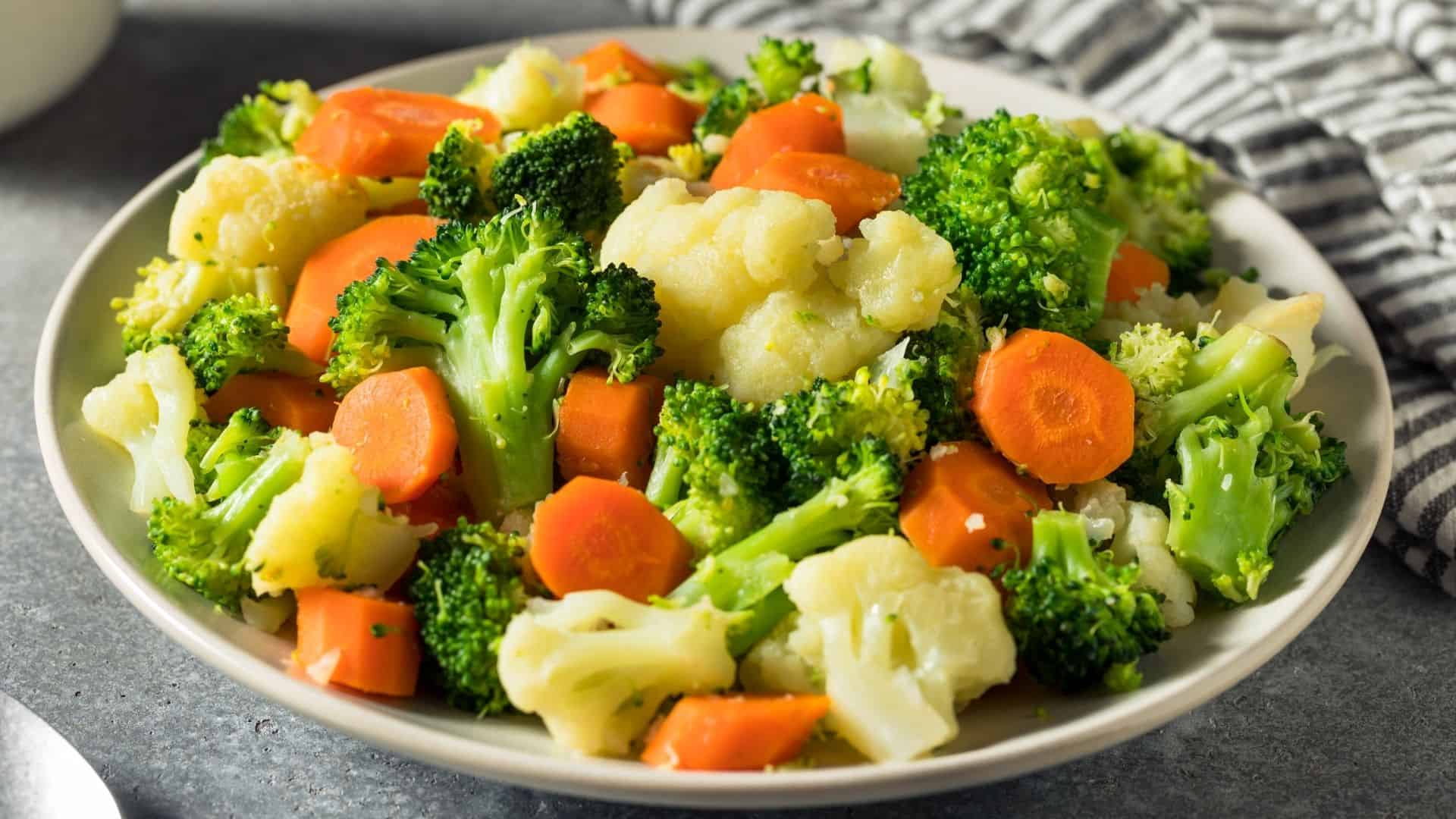
The issue is that a plain tray of raw celery, cauliflower, and broccoli tends to compete poorly against smoked ribs, grilled burgers, and creamy side dishes. Unless it's paired with a fantastic dip or presented creatively, the vegetable platter often becomes the last thing people reach for.
Store-bought cookies in the plastic container
Most guests appreciate the effort that goes into a homemade dessert or a thoughtfully selected bakery treat.
A generic package of cookies picked up on the way to the event can sometimes feel like an afterthought. People will certainly eat them if they are hungry enough, but they rarely become the dessert everyone talks about afterward. Presentation matters more than many people realize.
Extremely spicy side dishes
Every cookout seems to have at least one person who loves pushing the limits of heat.
The problem is that most guests prefer food they can comfortably enjoy. A pasta salad loaded with ghost peppers or a dip that leaves people reaching for water immediately limits its audience. Mild foods can always be made hotter with extra sauce. Once something is overwhelmingly spicy, there is no going back.
Fruitcake and holiday leftovers
Some foods simply feel out of place at a summer gathering.
Bringing a leftover fruitcake from the freezer or serving dishes commonly associated with winter holidays can leave guests confused. Cookouts tend to celebrate fresh, seasonal flavors. People generally expect watermelon, berry desserts, pasta salads, and grilled foods rather than dishes that look like they belong on a Christmas table.

Complicated dishes that require instructions
When people approach a buffet table, they want to build a plate quickly and get back to socializing.
A dish that requires a detailed explanation, multiple toppings, special assembly, or a lengthy description often creates hesitation. Guests are more likely to choose foods they can identify immediately rather than navigate an elaborate serving process.
Desserts that melt instantly
A towering cream cake may look spectacular when it arrives.
Unfortunately, summer temperatures can turn beautiful desserts into a messy situation surprisingly fast. Frostings soften, fillings collapse, and slices become difficult to serve. Guests may still enjoy the flavor, but desserts that can withstand the heat usually perform much better at outdoor gatherings.
Leave a Reply