
If you’re serious about what you eat or follow a special diet, food labels are the best way to understand what you buy. Labels contain key information about ingredients and nutrition, giving you a glimpse of what’s really inside. While labeling in the U.S. is regulated, not every word or phrase is strictly defined. In many cases, the rules leave room for food companies to showcase their products in the best possible way, and labels do not always tell the whole story.
What is on the food label
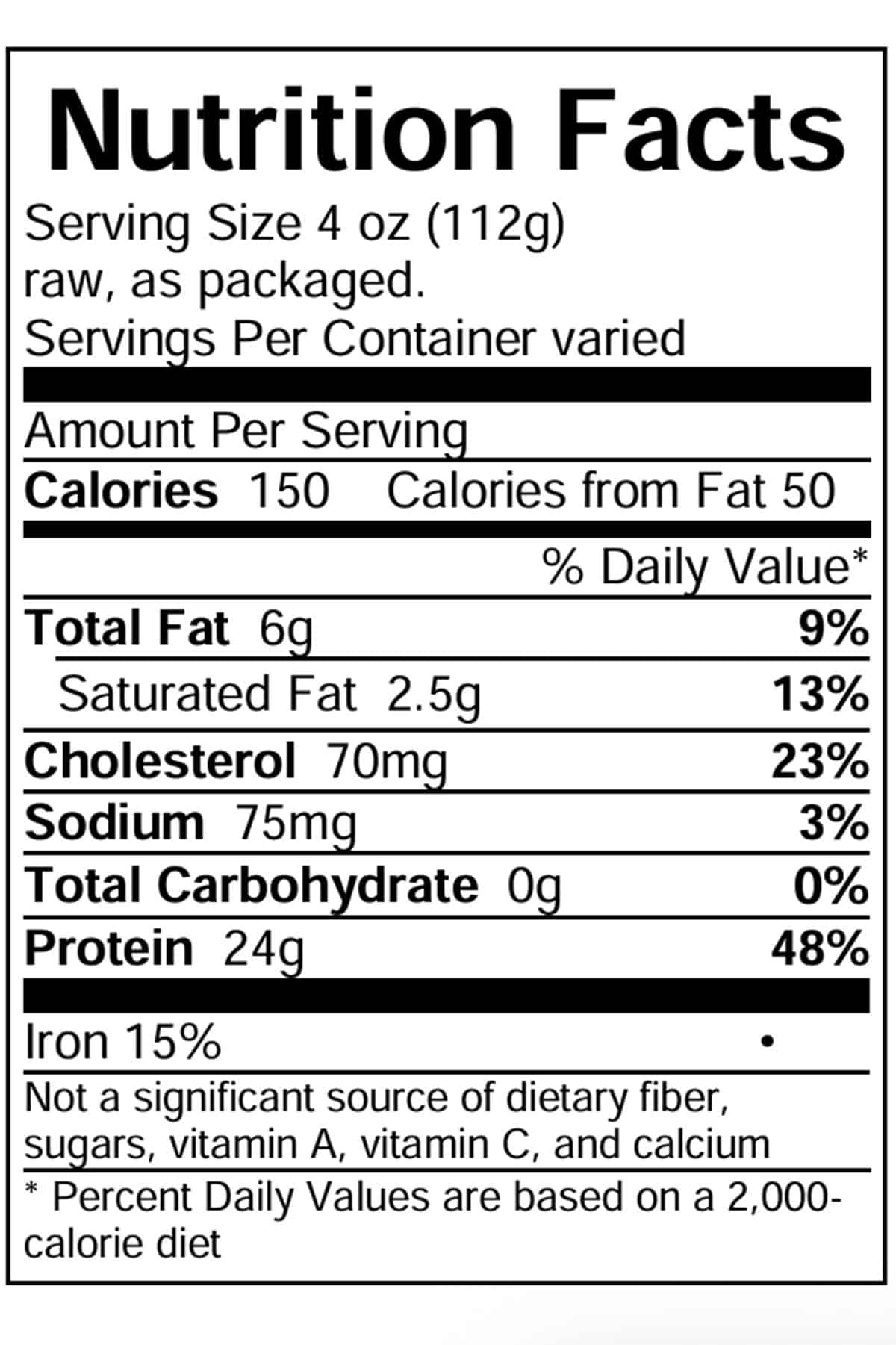
Every food package must have a Nutrition Facts label that provides key information to help you make informed eating choices. It starts with the serving size (how much one “serving” is) and the number of servings per container.
You’ll see total calories, plus the amounts of macronutrients like total fat (including saturated and trans fats), cholesterol, sodium, total carbohydrates (with fiber and sugars broken out), and protein. There are also certain vitamins and minerals listed — for example, vitamin D, calcium, iron, and potassium — because many Americans don’t get enough of these.
Another important part is the % Daily Value (%DV) column, which shows how much a nutrient in one serving contributes to a daily diet based on a 2,000-calorie intake. The label may also list “added sugars,” which helps distinguish sugars added during processing from sugars that occur naturally. All of this is regulated by the FDA to help consumers compare similar products and assess their nutrition at a glance.
The Nutrition Facts label is the regulated part of the package, but it’s only one piece of the story. Food companies often fill the front of the box or bottle with clever words, claims, and slogans designed to make the product sound healthier or more appealing. These statements don’t always match the whole reality of what’s inside. Some can be vague, loosely regulated, or even misleading, which is why it’s essential to look beyond the marketing and carefully check the details before deciding what’s right for you.
Labels that can trick you
Light
The word "light" is one of the most confusing and overused terms in food labeling. According to the FDA, it can legally mean the product has one-third fewer calories or 50% less fat compared to the regular version. That sounds straightforward, but in practice, the term is often stretched.
Food companies can also use "light" to describe a product's color or flavor, such as "lightly salted" chips or "light" olive oil, which has nothing to do with the product's calorie or fat content. Unless you look closely at the Nutrition Facts panel, it’s hard to know if the product is truly a lighter option or just lighter in appearance or taste. Additionally, just because a product is 30% lighter than the original version, it does not necessarily mean it is healthier or better for you.
Organic
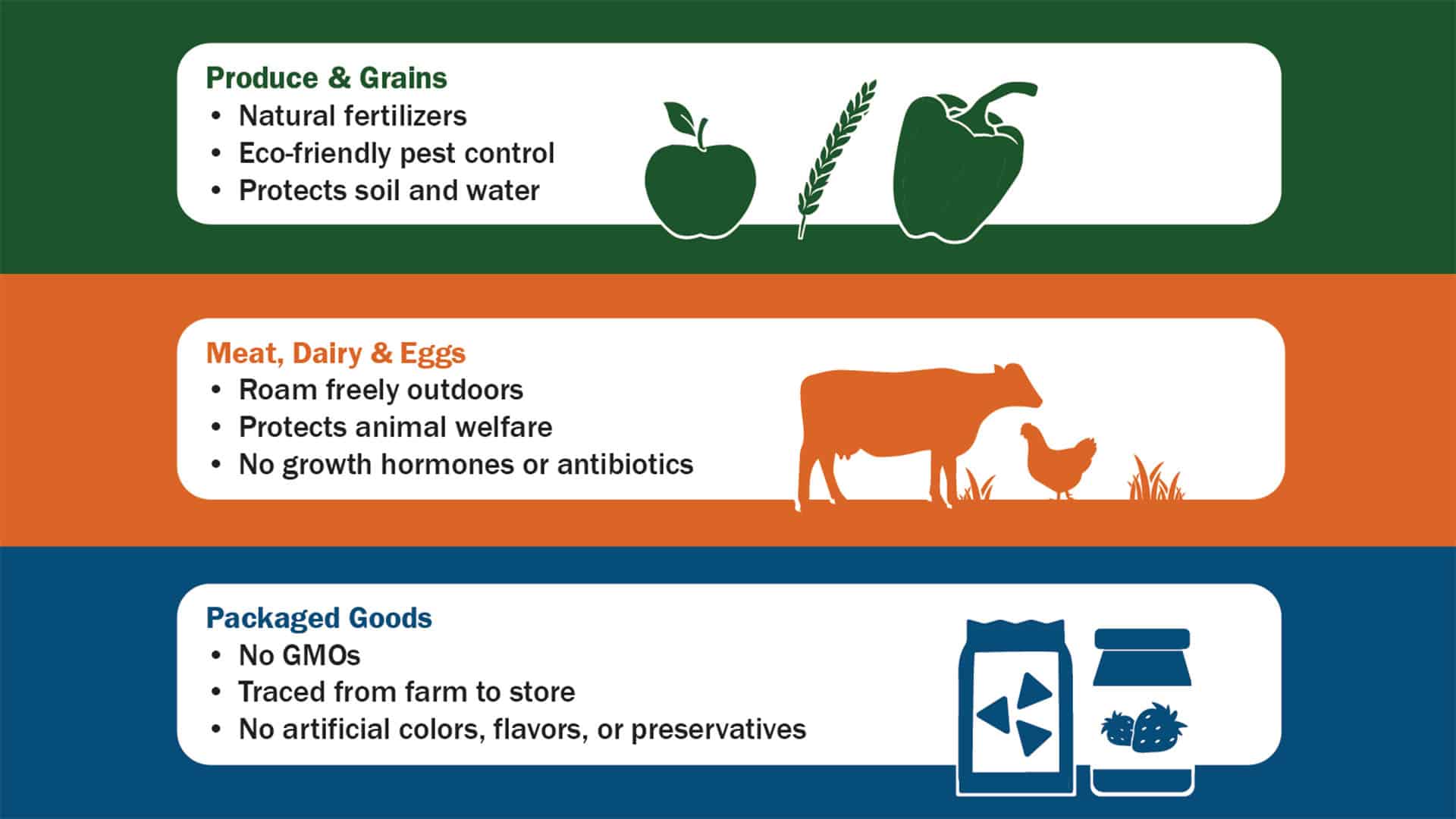
Organic is a label that indicates that a food or agricultural product has been produced according to the USDA organic standards, which require operations to use practices that cycle resources, conserve biodiversity, and preserve ecological balance.
But organic doesn’t mean the product is low in sugar, fat, or sodium. An organic cookie is still a cookie. While choosing organic may reduce your exposure to some chemicals, it isn’t automatically the healthier option.
Sugar-Free
When a product is labeled "sugar-free," the FDA allows it to contain less than 0.5 grams of sugar per serving. That doesn’t mean the product is free of sweetness. To replace sugar, manufacturers often use artificial sweeteners, such as aspartame, saccharin, or sugar alcohols like sorbitol, xylitol, or erythritol.
These substitutes can reduce calories, but they don’t always make the product healthier overall. Some sugar alcohols may cause digestive issues like diarrhea if consumed in large amounts. It’s also worth noting that "sugar-free" doesn’t guarantee the product is low in calories, fat, or carbs. Checking the Nutrition Facts label and ingredient list is the best way to see what you’re really getting.
Gluten-Free

The FDA defines "gluten-free" as containing less than 20 ppm (parts per million) for the unavoidable presence of gluten in foods that carry this label. This level is considered safe, and most people with celiac disease can tolerate foods with tiny amounts of gluten. The standard applies to all packaged foods in the U.S., including those labeled "without gluten" or "no gluten."
While gluten-free foods are essential for people with celiac disease or gluten sensitivity, they aren’t automatically healthier. Many gluten-free snacks and baked goods are still high in sugar, fat, and calories. They may also contain refined flours or starches that offer little nutritional value. Unless you need to avoid gluten for medical reasons, a gluten-free label shouldn’t be mistaken for a healthier choice.
Free Range
"Free range" is a term regulated by the USDA for poultry, but the requirements are less strict than many shoppers expect. The birds' housing conditions are reviewed regularly to ensure continuous, free access to the outdoors throughout their normal growth cycle. However, the rules don't specify the minimum amount of space or duration required for outdoor access.
At the end of the day, food labels don’t have to be confusing. Once you understand what the Nutrition Facts panel tells you and how marketing claims can sometimes be overstated, you can shop with confidence. Even if a slogan on the front sounds appealing, understanding the real meaning behind these terms helps you cut through the noise and choose products that truly align with your health goals, diet, or lifestyle.
Leave a Reply