
Fast food is one of the most American inventions ever. It’s simple—good food, served fast, in a welcoming place where families and friends can gather. The idea revolutionized the way we eat and has since become a global phenomenon. But with fast food’s popularity comes a long list of myths, legends, and straight-up falsehoods that have spread over the years.
How many of these fast food myths have you believed? Let’s separate fact from fiction once and for all.
Myth: Nuggets Of Pink Slime
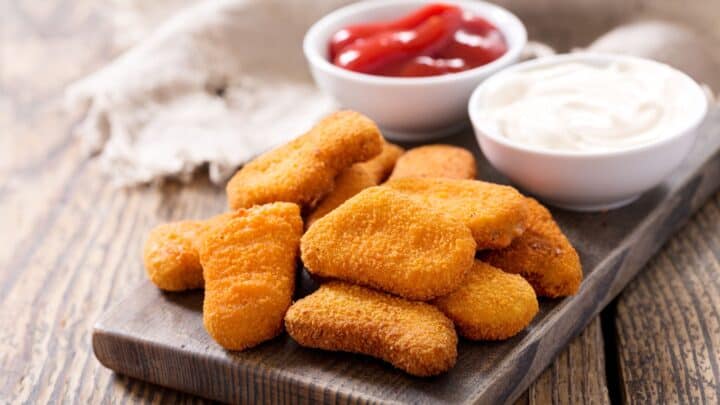
This myth is not true. Years ago, McDonald’s confirmed that "pink slime" —a finely processed meat mixture that looked a little too much like strawberry ice cream —is not how their food is made.
McDonald's nuggets are made from 100% white meat chicken—so if you’ve been avoiding them for years, you can relax.
Myth: McDonald's Invented It?

Many people assume McDonald’s was the first fast-food chain, but that’s not true. The real pioneer was White Castle, which started serving small, affordable hamburgers in 1921—about 30 years before McDonald's even opened.
At the time, ground beef had a bad reputation because of safety concerns, but White Castle changed the game. Employees dressed in all white, restaurants were spotless, and prices were incredibly low. It worked—fast food as we know it was born.
Myth: Mutant Chickens

Ever heard that KFC uses genetically engineered, six-legged chickens? This is one of the wildest fast food myths out there.
While it’s true that chickens are bred to grow larger, there is no such thing as mutant chickens with extra legs or wings being served at fast-food restaurants. The U.S. food industry is highly regulated, and no company could get away with such a thing. So, you can enjoy your fried chicken worry-free.
Myth: The Burgers That Don't Go Bad

A viral video showed a McDonald's burger sitting untouched for years, looking exactly the same. Naturally, this led people to believe the food was packed with preservatives and chemicals.
The truth? The burger didn’t rot because it dried out. When food dehydrates quickly, it doesn’t mold—it just gets hard as a rock. But that doesn’t mean you should eat an old McDonald’s burger—unless you want a one-way trip to the hospital.
Myth: Supersize Me!

Remember Supersize Me, the 2004 documentary that criticized McDonald's for selling huge portions? The Supersize option was discontinued after the film’s release, but some people still believe you can order it if you ask the right way.
This is 100% false. McDonald's officially ended the Supersize option in 2004, and there’s no secret menu hack to bring it back. Thankfully, large portions are still big enough for most people.
Myth: A Real Colonel?

Colonel Sanders was very real, but he wasn’t an actual military colonel. The famous founder of KFC was given the title of "Kentucky Colonel", an honorary award from the state of Kentucky.
While he never served in the military, he was a real businessman and spent years perfecting his "finger-lickin' good" fried chicken recipe. So yes, he was a colonel—just not the army kind.
Myth: Serving Human Burgers?
This myth is as disturbing as it is false. A few years ago, a satirical news site started a fake story claiming that McDonald's had been caught serving human meat. Unfortunately, some people actually believed it.
Rest assured, no fast-food chain serves human meat. The USDA and FDA have strict regulations, and every fast food company would be shut down instantly if something like this happened.
Myth: Grill Scraping Chili
Wendy’s chili has always been a topic of fast food myths, with some claiming it’s made from leftover burger scraps. The idea is that Wendy’s saves the meat that falls off the grill and tosses it into the chili pot.
While it’s true that Wendy’s uses cooked beef from its burgers in its chili, it’s not scraps—it’s perfectly fine beef that didn’t get used in a sandwich. In fact, Wendy’s chili is one of the healthier options on their menu!
Myth: Taco Bell Serves Horse Meat

Back in 2013, Taco Bell was caught using meat contaminated with traces of horse meat in some of its European locations. Naturally, this sparked rumors that Taco Bell always serves horse meat.
But here’s the truth—Taco Bell quickly removed the affected products and reinforced its food quality standards. This never happened in the U.S., and today, Taco Bell’s beef is 100% real. So, no need to worry—your tacos are definitely made from beef, not pony.
Myth: Misspelled Names

Have you ever gotten a Starbucks cup with your name completely butchered? Many people think baristas do it on purpose—some even believe it’s a marketing tactic to get people to post their funny name fails online.
But the reality is way less exciting. Starbucks locations are busy, and baristas write names quickly. That’s it—no conspiracy, just rushed handwriting.
Fact: No Taco Bells In Mexico

Taco Bell might be a Mexican-inspired brand, but guess what? There are no Taco Bells in Mexico. The chain tried to open 300 locations, but locals rejected it completely, saying the food wasn’t authentic Mexican cuisine.
Taco Bell even tried rebranding itself as "authentic American food", but it didn’t work. To this day, you won’t find a Taco Bell anywhere in Mexico. The irony is almost too much to handle.
Fact: Paid For Rosa Parks

Fast food isn’t always the bad guy. One of the most heartwarming fast-food facts is that Little Caesars founder Mike Ilitch personally paid Rosa Parks’ rent after she was assaulted and robbed in her Detroit home.
Ilitch, a huge civil rights supporter, found her a safer apartment and covered her rent for the rest of her life. The story only came out years later, when a judge publicly thanked him.
Fast food has been surrounded by myths for years, and while some are entertaining, most are completely false. From pink slime nuggets to mutant chickens, the internet loves a good fast-food conspiracy.
But the truth is, fast food is highly regulated, and while it’s not always the healthiest choice, it’s not nearly as shady as some of these myths make it seem.
Leave a Reply