
Letting family spend time with a baby is usually built on trust. Parents often rely on relatives to follow simple instructions, especially when it comes to a child’s health and safety. But those expectations can quickly unravel when someone decides the rules don’t apply to them.
The question
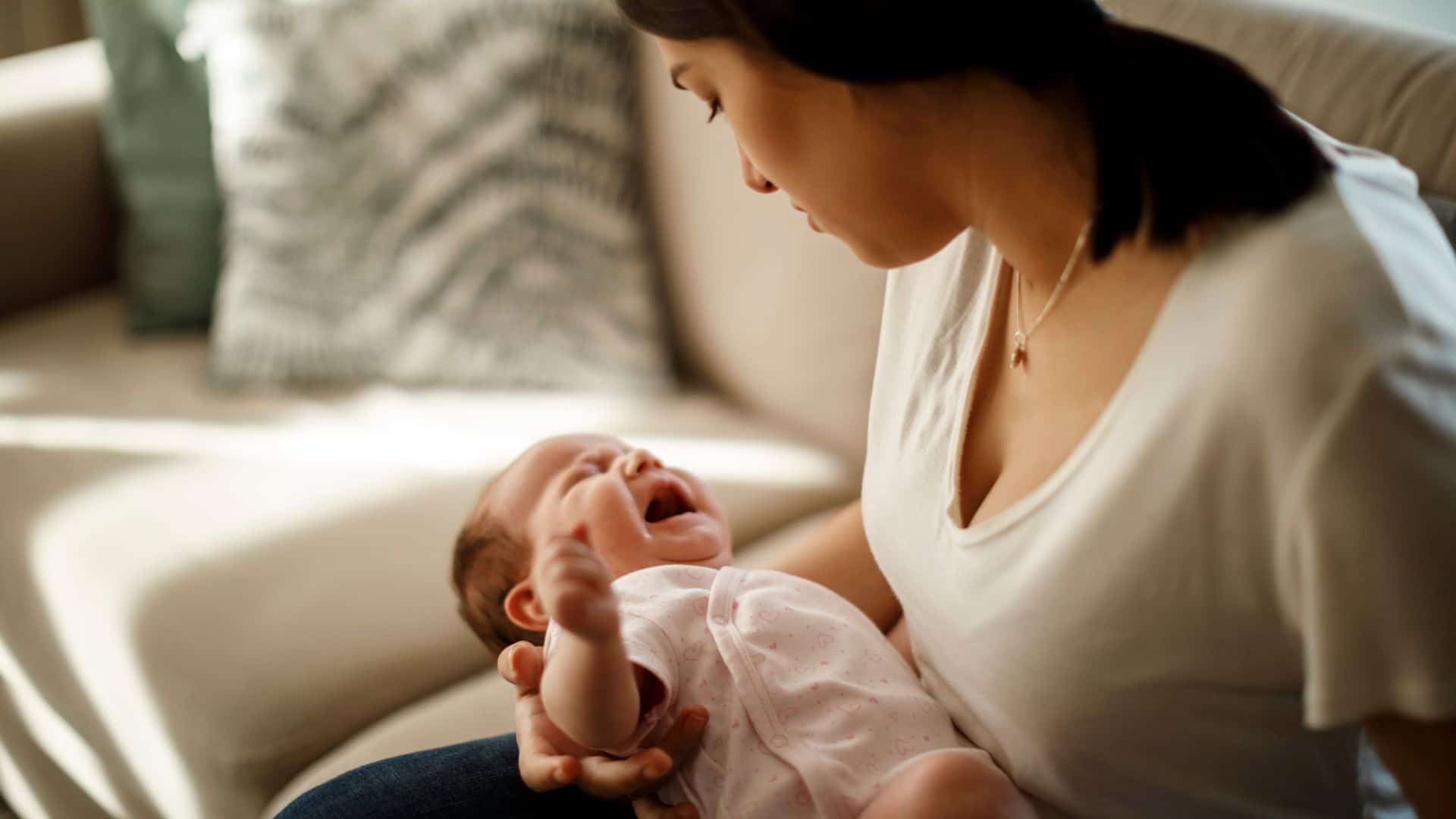
In a recent Reddit thread, it was asked, "Would I be in the wrong if I told off my husband’s Aunt for feeding my child without consent?" She went on to say that their child has a severe allergy and everyone in the family knows about it. Her husband took the kids to his family's farm for the night, and after breakfast, their son needed a bottle.
The bottles were at another house nearby, so he left the kids at his Grandma's house and went to pick them up. He was gone for maybe three minutes, and when he got back, his aunt was bragging about how much their son loved her cinnamon buns. The husband told her that their son couldn't have any food without checking the ingredients, to which his aunt replied that it would be fine because it was only a few bites.
Over the next 24 hours, their son screamed in pain for the entire day, had an eczema flare-up, and had other issues. Now the mom wants to know if she's in the wrong for wanting to send a strongly worded message to her husband's aunt about the whole situation.

The reactions
Over 1,000 people had immediate thoughts on how the mom should handle this one.
One person said, "Don't leave this person alone with your child again."
Agreed. If she is that flippant about the dangers and went ahead and did whatever she wanted to see if a small baby would like her food, she shouldn't be left alone with him again.
Another person suggested, "Take pictures to show her. Show everyone and make sure everyone really knows how serious his allergies are."
Showing pictures of all that the little child had to go through is a good way to get the point across. That way, she can see that the mom isn't exaggerating and that the child was extremely ill because of her actions.

This person made a good point. "She didn’t just give him a treat, she gambled with his health. The sneaky part while your husband stepped away makes it worse. That’s not a misunderstanding, that’s reckless"
If the aunt waited until the husband was gone to do this, then she knew what she was doing and knew that she shouldn't be doing it.
Someone spoke the truth. "Being flippant about food allergies is WILD to me, that could have been a death sentence for your baby."
It's the truth. The aunt had no idea how serious the allergy was, and her actions proved that she really didn't care or didn't believe them in the first place.
This person wasn't messing around. "If it were me, and a relative who was WELL aware of my kid's allergies purposely fed my kid food that they knew would harm him, I would be looking up the laws of my state (poisoning, for example) and figuring out what kind of legal recourse I have against them. This is COMPLETELY unacceptable behavior, and the aunt is a dangerous person for your child to be around."
This could be an option, but it would be hard to do, as it would likely cause a much bigger rift in family dynamics.
This person said, "Send her the bill too."
The mom should. If she has to get other medicines or pay for things out of pocket because of the aunt's carelessness, she should send that bill right over to her to take care of.
One piece of advice said, "Wait until things have calmed down a little. The last thing you need while dealing with a sick baby is to also be arguing with the aunt. Write the message if you want but don’t send it quite yet."
This is a good point of view. Take some time to get a clear head.

The takeaway
Situations like this highlight how serious food allergies can be, especially for young children who rely entirely on the people around them to keep them safe. A small bite of the wrong ingredient can trigger painful reactions and lasting symptoms that others must manage long after the moment has passed.
For many people, the bigger issue in moments like this is trust. Ignoring clear instructions about a child’s health raises difficult questions about boundaries and whether that person can be relied on in the future.
In this case, many people felt the mother would be justified in addressing it directly. Not necessarily to create conflict, but to make it clear that allergies are not something that can be brushed off or treated casually.
At the end of the day, protecting a child’s health has to come first, even if it means having an uncomfortable conversation.
Leave a Reply