
Every restaurant menu tells a story about what sells and what truly pays the bills. A recent discussion among restaurant workers on Reddit provided a rare inside look at which foods bring in the biggest profits, revealing that the simplest dishes are often the most rewarding to make. Later in this article, I’ll also share some insights from my own experience about bakeries, where certain pastries surprisingly bring in much higher margins than others.
The story
The discussion started when a Reddit user asked what type of food tends to bring in the highest profit margins. They posted, "What is the food (not drink) that has the biggest margin in a restaurant? I have to think it's salad."
The question quickly drew responses from people working across the industry, from line cooks to restaurant owners.
The reactions
One person said salads aren't nearly as profitable as people assume. "Produce is crazy expensive. Definitely not salad. And you also have to consider the labor," they wrote. Fresh produce spoils quickly and may take some time to prepare. Even if the plate looks light, it's often costly to keep on the menu.

Another worker had a different view. "Caesar salad can have some high margins. We charge $16 for romaine lettuce, croutons, Caesar dressing from US Foods, anchovies, and some shaved Parm. +$14 chicken breast +$20 salmon or shrimp."
As the thread continued, people who see food costs every day shared their own insight. One comment mentioned a product that's been saving businesses for decades: popcorn. "The insane margin you make on selling popcorn has basically kept the cinema industry afloat for the last 20 or so years."
That idea applies to restaurants, too. Snacks like popcorn, fries, or fried pickles often help offset rising ingredient prices. They're easy to prepare, quick to serve, and almost never go to waste.
One restaurant worker shared how much they earn from a single appetizer. "At my store, it's fried pickles. I can't remember the exact numbers the chef told me, but it was something like the big bucket of pickles is like $25, and we sell an order of 5 pickles for $12.49.
I can't remember how many pickles he said came in the bucket, but Google is telling me 200-300+. So that could be at least $2473 profit, minus some for batter and labor, of course."
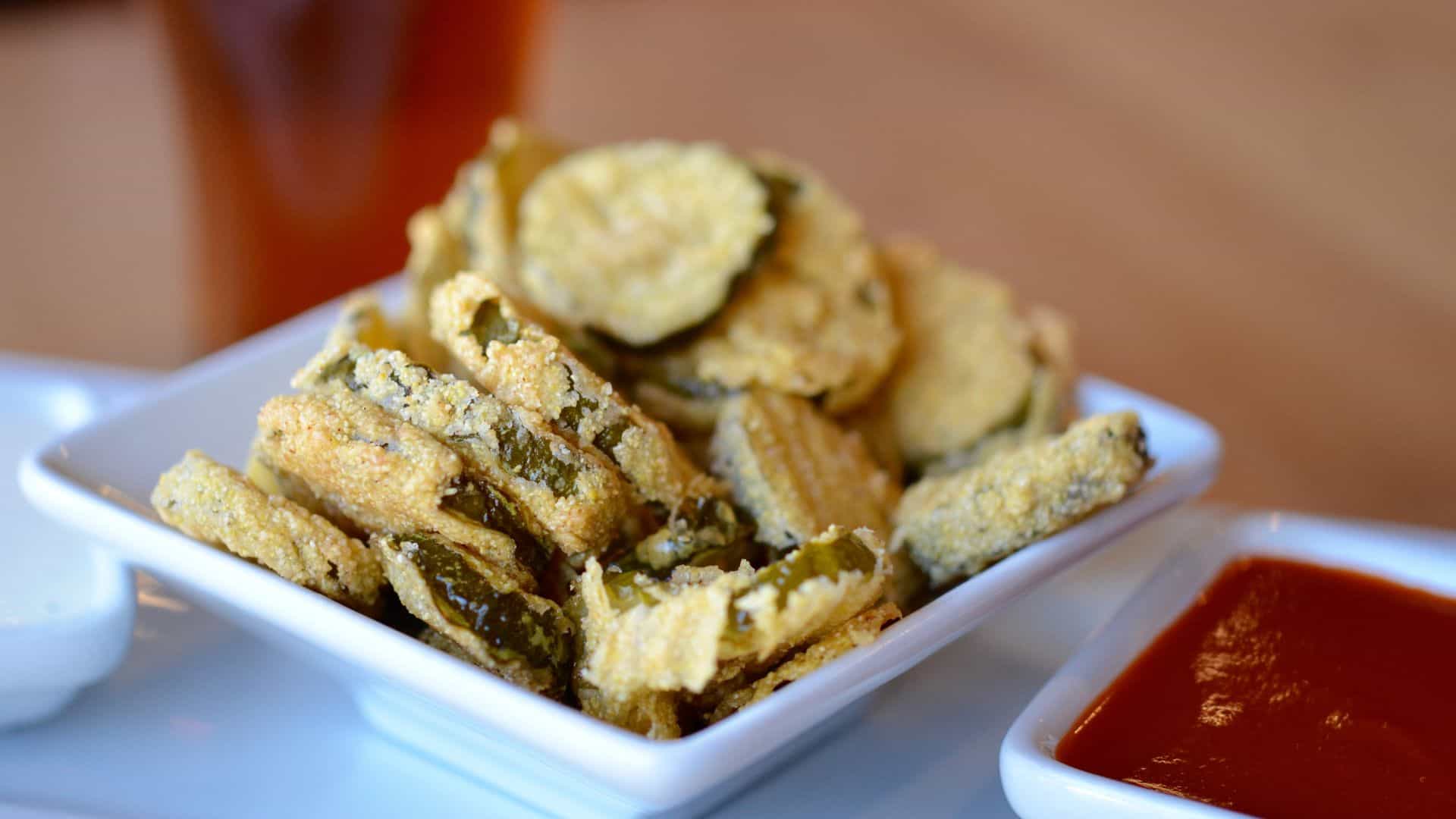
That's a huge return for something as simple as fried pickles that can be made in minutes. Fried foods like these are the highlight of casual dining; they are low effort, high return, and always in demand.
Then a person mentioned a dish almost everyone agreed on: French fries. "It's French fries. It's always French fries," one person said. Another explained, "We charge $9 for 0.82 cents worth of fries."
Anyone who's worked in food service knows this is true. Fries are fast, simple, and universally liked. They can be cooked in big batches, and people rarely skip them. Even with the cost of oil or seasoning, fries are among the most profitable items in nearly every type of restaurant.
Some comments focused on higher-end foods. One chef pointed out, "King crab legs - ridiculously high food cost as a percentage, but if you sell an order for $150, you typically have a margin of at least $75."
Another replied: "This is that secret: it doesn't take very long (thawed crab about 6 min to the plate ) to make $75 when you're serving crab legs. Now, calculate how many burgers you have to make to make $75 in margin. Time value of money."
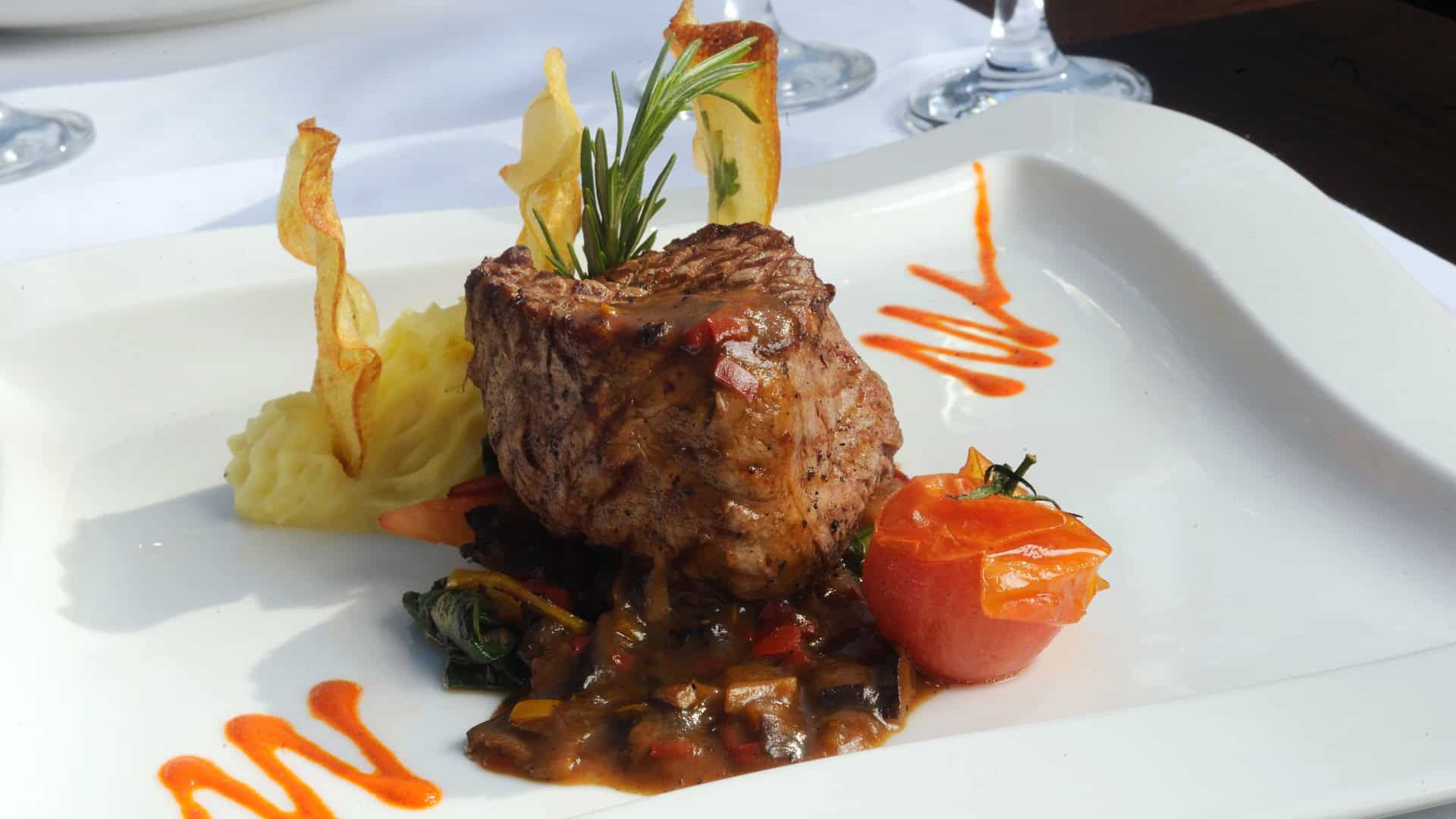
Expensive dishes might not always have the highest percentage margins, but they make big returns in a short amount of time. Steaks, crab legs, or other premium entrees might carry high food costs, yet each sale covers a big chunk of the restaurant's expenses.
One person explained it well: "I would say in a normal environment, steaks contribute most to your overall margin. The product margin % isn't high. But the dollar margin is very high, and so it provides a ton of coverage on your other costs."
And of course, someone mentioned the oldest kitchen trick in the book: "Soups can be made with leftover scraps, almost little to no cost at all." For many chefs, soups are a smart way to turn waste into revenue. Vegetable ends, bones, and trimmings can be reused, and the result is a dish that customers love and kitchens rely on.
From reading through the entire thread, one thing becomes clear: smart operators know how to stretch every dollar. They build menus that mix small, high-margin items with bigger, slower sellers so that everything balances out and works in the restaurant's favor.
Profit in bakeries
I've seen the same pattern in bakeries and cafés. Simple items like cookies, brownies, and cupcakes often deliver the best returns because they’re easy to produce in batches, have a long shelf life, and use affordable ingredients. People happily pay for something freshly baked and sweet, even when it costs almost nothing to make.
Meanwhile, labor-intensive pastries like croissants or macarons look impressive in the display case but require hours of work and high-quality ingredients that eat into profits. In many bakeries, it’s the combination of high-margin staples and a few premium “showpiece” items that keeps the business both appealing and profitable.
What is the average profit margin for restaurants?
Most restaurants operate on profit margins much lower than some people would expect. The average is between 3 and 5 percent, though the full range can stretch from 0 to 15 percent depending on the type of business.
Those numbers may sound low, but in an industry with high rent, labor, and food costs, every point counts. Toast reports that inflation and supplier costs continue to be some of the most complex challenges for owners. The costs of goods, hiring staff, and managing foot traffic are the main challenges that determine whether restaurants remain profitable.
The report also explains how profits depend on the "Big Three": the cost of goods sold, labor, and overhead. Roughly one-third of total revenue usually goes to each. That doesn't leave much room for error, which is why most successful restaurants focus on steady, realistic growth rather than chasing big spikes in sales.
Small changes often make a huge difference in profit margins, like tracking waste more carefully, adjusting portion sizes, or finding new suppliers who offer better pricing.
The takeaway
Every restaurant relies on different foods to stay profitable. Some dishes bring in strong percentage margins because they're cheap to make, while others add higher dollar profits even with costly ingredients.
At the end of the day, no single dish keeps a restaurant running, but a smartly designed menu overall does.
Leave a Reply